



































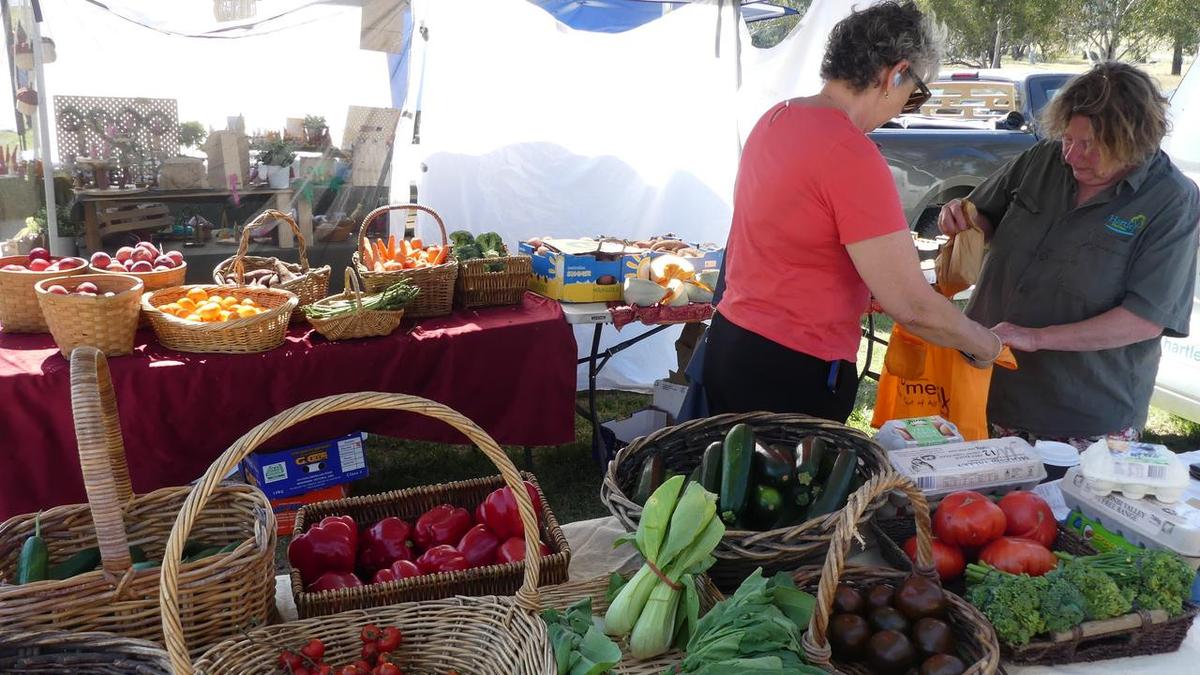
A noticeable shift is emerging among Australian consumers as an increasing number of shoppers are opting to purchase food directly from producers instead of relying on traditional supermarkets. This trend reflects a growing distrust towards major grocery chains, according to recent studies and expert opinions. While the movement towards direct sourcing may be gaining momentum, experts suggest it is unlikely to bring about significant changes in the retail food industry.
According to a recent independent survey conducted by the National Farmers Federation, only 43 percent of fruit and vegetable growers feel they are treated fairly by the major supermarkets they supply. This lack of confidence is prompting many consumers to seek alternatives, including buying directly from farmers, which they perceive as a more ethical choice. Jolyon Burnett, chair of the Horticulture Council at the National Farmers Federation, has highlighted the need for improved transparency in the fresh produce market. He supports recommendations made by the Australian Competition and Consumer Commission to limit the bargaining power of supermarkets, emphasizing the importance of implementing these changes for the benefit of both growers and consumers.
At Yajambee Farm in Mount Mee, farmers Gabe and Jamie Yates have noticed a growing trend of customers choosing to buy direct. Gabe remarked that more people are becoming aware of the profit-driven motives of major supermarkets, stating, “Those [supermarkets] don’t really care about the locals; everything they do is an economic decision based on what’s going to happen to their shareholders.” He believes that as consumers grow tired of quarterly profit reports, they are increasingly turning back to local farms for their produce.
Supermarket giants such as Woolworths and Coles have acknowledged the changing consumer landscape. Woolworths reported that it serves nearly 26 million customers each week and emphasized its commitment to maintaining strong relationships with high-quality fresh food growers. Despite this, both supermarkets have faced significant challenges in maintaining consumer trust. Research firm Roy Morgan found that distrust in Woolworths and Coles has reached its highest levels since tracking began in 2017.
Roy Morgan CEO Michele Levine noted, “Distrust has a far more potent impact on consumer behaviour than trust,” indicating that while trust fosters loyalty, a lack of trust can drive customers towards more reliable options. This shift has resulted in Woolworths dropping 239 places to become the most distrusted brand, with Coles closely following, having dropped 237 places by October 2024.
Despite the rising trend of direct purchasing, Burnett cautions that it is unlikely to shift the balance of the market significantly. “While selling direct to consumers is an important opportunity for some growers, it is unlikely to become a market of enough scale to warrant major changes in operations,” he stated. The convenience and variety offered by major supermarkets will likely continue to draw the majority of Australian consumers.
Burnett encourages consumers to make more informed choices, urging them to prefer fresh, in-season produce grown in Australia. He also stresses the importance of diversifying market options for farmers, suggesting they explore new avenues to reach consumers both domestically and internationally. “This includes finding new ways to reach consumers at home and opening new markets overseas,” he said.
As the food industry adapts to changing consumer preferences, the potential for a more equitable relationship between producers and retailers remains uncertain. The urgency for reform in the Australian supermarket landscape is clear, but whether these changes will materialize in a meaningful way remains to be seen.