















Attorney-General Michelle Rowland has announced her intention to repay part of the $21,685 charged for a family holiday in Western Australia in 2023. This decision follows guidance from the Independent Parliamentary Expenses Authority (IPEA), which concluded that some of her expenses violated official guidelines. Despite the fallout from this issue, the Albanese government maintains that Rowland should not resign from her position.
On Sunday, Jim Chalmers, the Treasurer, defended Rowland’s actions during an appearance on Sky News, stating, “I don’t believe so. I think Michelle’s done the right thing in asking the IPEA to take another look.” Rowland’s office did not specify how much she would repay.
Criticism has emerged from the opposition, with James Paterson, the coalition finance spokesman, condemning what he termed a “culture of entitlement” within the government. He emphasized that Rowland, as a minister responsible for integrity and transparency, should be held to a higher standard. He called for a formal inquiry into whether she has adhered to the Ministerial Code of Conduct, referencing the resignation of Sussan Ley during the Turnbull government over similar issues.
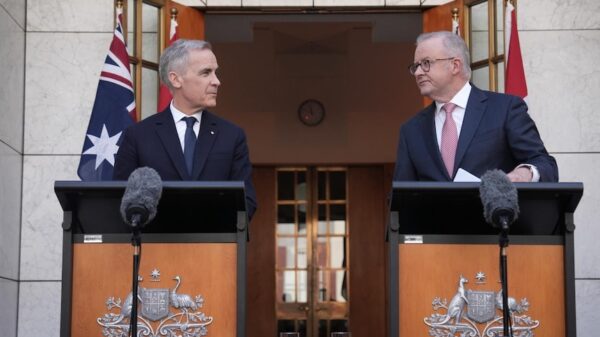
Prime Minister Anthony Albanese has responded by seeking advice from IPEA regarding travel rules for parliamentarians. A cabinet meeting is scheduled to discuss these matters on Monday, with Albanese expected to announce stricter guidelines in response to growing public discontent and ongoing revelations surrounding travel entitlements.
In another controversy, it was reported that Mark Butler, the Health Minister, claimed taxpayer funds to cover travel costs for his wife to attend a Matildas game in August 2023, where he was present alongside Albanese and Anika Wells, the Sports Minister. Butler’s family has also accompanied him to other events, including a tennis match and a cricket announcement related to the McGrath Foundation.
The issue of travel expenses gained further traction following revelations about Wells’ own considerable expenses, amounting to $95,000 for a trip to the United Nations in New York. In light of these developments, Wells has requested an audit of her entitlement claims from IPEA; however, she has yet to receive a response.
Budget Adjustments and Battery Subsidy Costs Surge
On a different note, Treasurer Chalmers announced on Sunday that the upcoming budget update will reveal $20 billion in savings. Yet, the government also acknowledged a significant increase in costs associated with its battery subsidy program. Initially projected to cost $2.3 billion by 2030, the subsidy for household and small business battery purchases is now expected to reach $14 billion due to high demand for large batteries.
In response to this financial strain, the government has decided to revise the subsidy structure, now set to cost $7.2 billion over four years. The updated plan aims to adjust the discount for larger batteries to prevent disproportionate pricing advantages that have incentivized buyers to opt for bigger models. As a result of these changes, the government now anticipates that two million households will adopt battery technology by 2030, a significant increase from the previous estimate of one million.
Further, the government is reviewing the current discount scheme aimed at promoting electric vehicle uptake, with submissions accepted until early February. The ongoing scrutiny of both travel expenses and subsidy costs highlights the challenges facing the Albanese government as it navigates public sentiment and fiscal responsibility.