










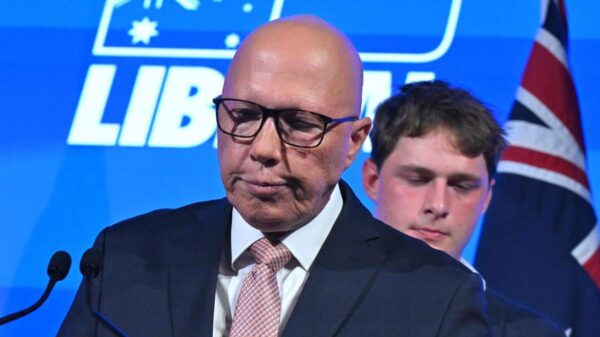





















Ashton Hurn has officially assumed leadership of the South Australian Liberal Party, a role she previously expressed reservations about. Her appointment comes at a crucial time for the party, which is seeking to regain ground following significant electoral losses in recent years.
Hurn’s leadership could be pivotal as the party navigates the political landscape ahead of the next state election, scheduled for March 2026. The Liberal Party has struggled to connect with voters in South Australia, facing challenges that have led to a decline in support.
Challenges Ahead for Hurn
As Hurn takes charge, she faces a daunting task. The party’s recent performance in the 2023 elections highlighted deep divisions and a need for strategic realignment. Analysts note that to reinvigorate the party, Hurn must focus on key issues such as economic recovery and public service improvements.
Political commentators emphasize the importance of Hurn’s ability to unify the party’s factions. Her leadership style will be closely scrutinized as she works to build consensus among members who have differing views on policy and direction.
In her first public statements as leader, Hurn acknowledged the challenges ahead but expressed optimism about the party’s future. “We have a unique opportunity to redefine our priorities and reconnect with the communities we serve,” she stated during a press conference in Adelaide.
What This Means for South Australian Politics
Hurn’s ascension is not just significant for the Liberal Party; it also has implications for the broader political environment in South Australia. Her leadership may influence how the party approaches key issues, including healthcare, education, and infrastructure.
While the Liberal Party aims to rebuild its base, it must also contend with the growing popularity of the opposition, which has capitalized on the current government’s missteps. Voter sentiment appears to be shifting, and Hurn’s effectiveness in addressing public concerns will be critical in restoring faith in her party.
Political analysts will be watching closely as Hurn settles into her role. Her ability to adapt to the demands of leadership and respond to the electorate’s needs will determine whether she can lead the South Australian Liberal Party back to prominence.
Ashton Hurn’s leadership journey begins now, and her actions in the coming months will shape not only her political future but also the landscape of South Australian politics.