







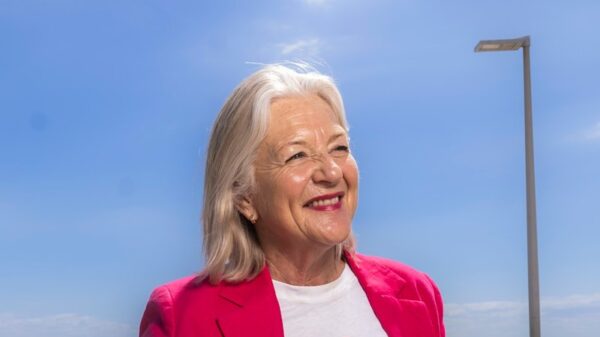






















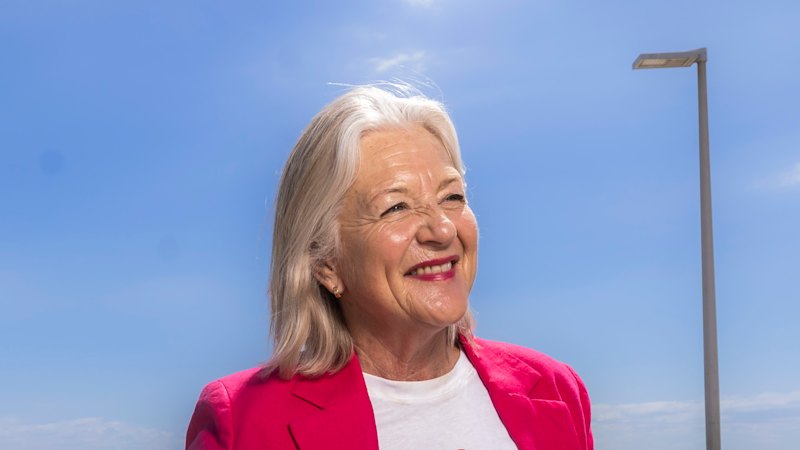
Tracee Hutchison, a former host of the Australian radio station triple j, is making waves in the upcoming state byelection by addressing growing discontent among voters towards major political parties. Her campaign aims to connect with individuals who feel unrepresented by traditional candidates and Members of Parliament. This shift in focus comes as many voters express frustration over their lack of representation in the political landscape.
Hutchison emphasizes that “people don’t see themselves any more being reflected in the candidates or MPs being put up by the major parties.” This sentiment resonates with a significant portion of the electorate, particularly among younger voters who feel increasingly disengaged from conventional political narratives.
Voter Discontent Fuels Alternative Campaigns
The byelection, scheduled for November 15, 2023, has become a pivotal moment for candidates seeking to challenge the status quo. Hutchison’s approach highlights the disconnect between voters and major parties, which has only intensified as issues such as climate change, social justice, and economic inequality dominate public discourse.
According to recent polls, nearly 60% of voters express dissatisfaction with the current political offerings. This growing frustration presents an opportunity for alternative candidates like Hutchison, who aim to provide a fresh perspective on issues that matter most to the community.
Political analysts suggest that her campaign could tap into a broader movement for change, especially among those disillusioned with established political structures. The former radio host leverages her media background to connect with audiences, employing social media platforms to engage directly with potential voters.
Implications for Major Political Parties
Hutchison’s candidacy raises critical questions for the major parties about their ability to adapt to changing voter sentiments. As more individuals seek representation that aligns with their values, traditional party structures may face increasing pressure to rethink their approaches and candidate selections.
The consequences of Hutchison’s campaign could extend beyond this byelection. If successful, it may inspire similar movements in other regions, prompting a reevaluation of how political parties engage with their constituents. The results of the byelection on November 15 will likely serve as an indicator of whether voters are ready to embrace a new political landscape.
In conclusion, as Tracee Hutchison steps into the political arena, her message resonates with a demographic eager for change. The upcoming byelection signifies not just a contest for seats but a potential shift in the political paradigm, reflecting the voices of those who have long felt unheard.