





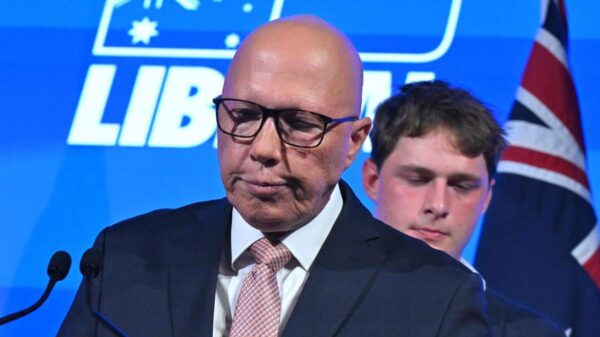
















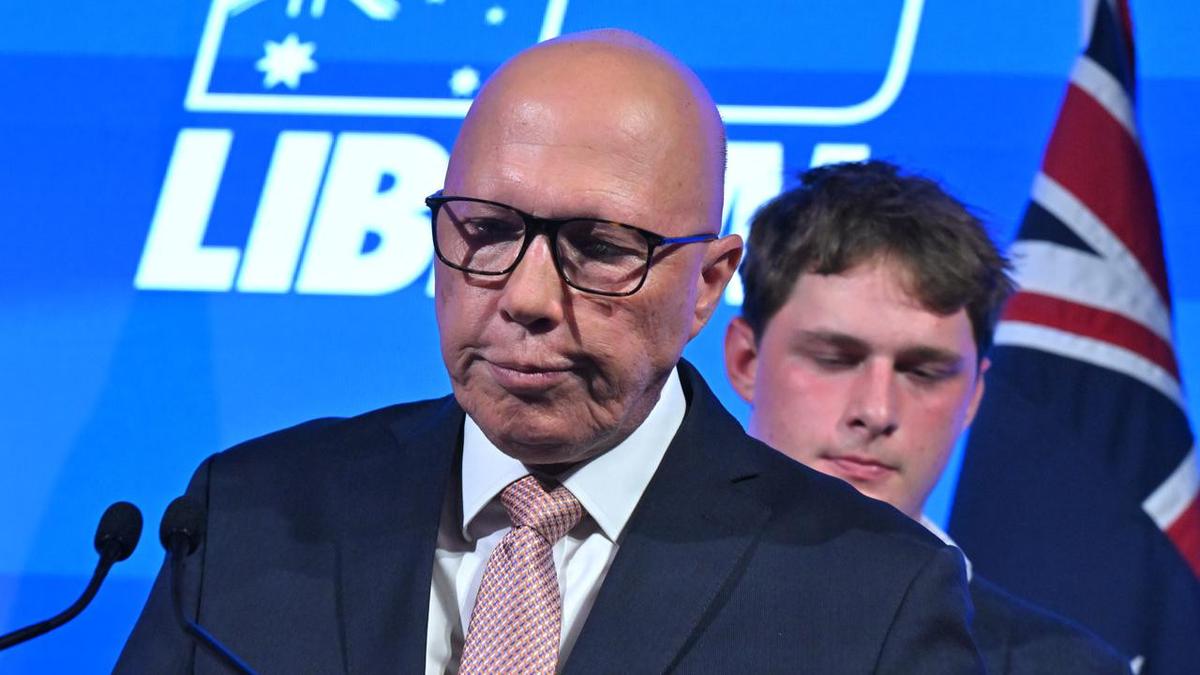
A recent review by the Liberal Party has highlighted critical factors behind its significant loss in the federal election, marking it as the party’s worst electoral performance in history. The internal examination pointed to the party’s “thoughtless offending” of various migrant groups and the ineffective leadership of then-leader Peter Dutton as central issues. The report, compiled by senior party members Nick Minchin and Pru Goward, outlines how the Liberal Party alienated key demographics, particularly women, young voters, and multicultural Australians.
The review noted that Dutton’s leadership style and a lack of coherent policies contributed to the party’s downfall. Voters perceived Dutton as disconnected, particularly from women and younger generations. According to the report, “The party’s capacity to thoughtlessly offend groups, including the Chinese, was a widespread problem.” This disconnect was exacerbated by a negative portrayal from the opposition, with Labor referring to Dutton in unflattering terms, including comparisons to fictional characters.
Dutton’s decision-making during crises also came under scrutiny. His choice to attend a fundraiser in Sydney while his Brisbane electorate faced severe flooding drew comparisons to former Prime Minister Scott Morrison‘s controversial holiday during the 2019 bushfires. The review stated that such actions contributed to a perception of Dutton as a leader who lacked empathy, highlighting that, “The electorate expects to see and hear an upbeat and inspiring leader.”
Leadership Changes and Policy Shifts
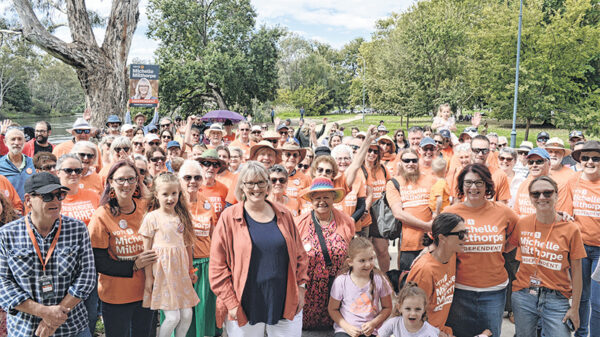
Following the election, Angus Taylor replaced Dutton as the party’s leader in February, after Dutton’s leadership came under fire. Taylor’s rise coincided with a shift towards a more hardline stance on immigration and an emphasis on adhering to “Australian values.” This included a controversial policy that aimed to restrict working from home arrangements, which was later abandoned due to its unpopularity. A regional candidate claimed this policy directly impacted her electoral chances.
The review also addressed the party’s approach to women’s representation. Female candidates expressed concerns over Dutton’s unpopularity among women, with some reviewers noting that the lack of policies aimed at addressing women’s issues was a significant oversight. The report remarked, “After at least a decade of a declining female vote, it remains a mystery that the party has not performed a deep-dive into its causes.”
In response to these criticisms, Taylor has committed to collaborating more closely with organizations like Hilma’s Network, which promotes women within the Liberal Party. The organization’s head recently resigned her membership following the leadership change, highlighting ongoing tensions regarding the party’s direction.
Economic Missteps and Future Strategies
The review also identified the party’s opposition to Labor’s tax cuts just before the election as a critical misstep. This decision negatively affected the coalition’s economic credentials, a historically strong aspect of its brand. Taylor has acknowledged this mistake and has vowed to present a comprehensive tax reduction package in the lead-up to the next election.
As the Liberal Party seeks to rebuild its image and regain voter trust, the emphasis will likely remain on addressing the concerns raised in the review. There is a clear call for the party to embrace a more inclusive approach, particularly in relation to women’s representation and multicultural engagement. The findings of this internal review will play a crucial role as the party prepares for the next electoral battle, scheduled for March 2025.
The stakes have never been higher for the Liberal Party as it navigates the complexities of Australian politics, aiming to regain its footing after a historic electoral setback.