




























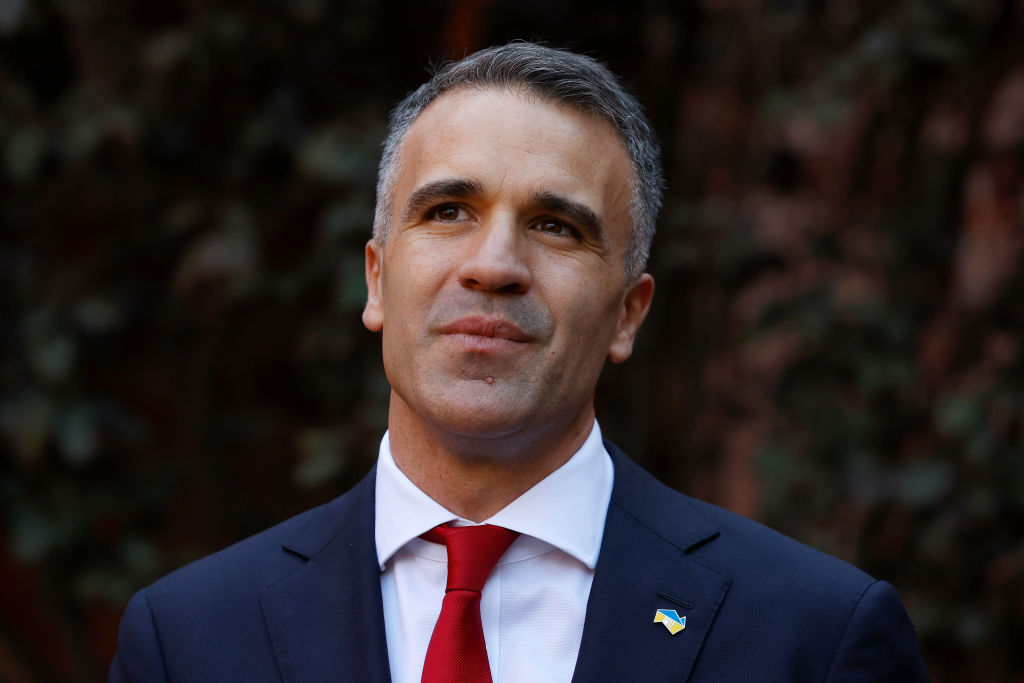
South Australia’s Labor Premier, Peter Malinauskas, has issued a stark message to potential voters of the One Nation party, urging them to reconsider their support for policies that aim to significantly reduce immigration. Speaking at a business lunch on March 15, 2024, the Premier emphasized the long-term implications of such policies, particularly in relation to the aging population.
During the event, which was designed to outline his vision for South Australia ahead of the upcoming state election on March 21, 2024, Malinauskas posed a provocative question to One Nation supporters. He asked, “Who’s going to feed you and bathe you and wipe your bum when you’re 90?” His remarks were aimed at highlighting the potential consequences of a reduced workforce and the need for adequate support systems for the elderly.
Malinauskas articulated a clear concern that if immigration policies were curtailed, the burden of care in later life could fall on an already strained domestic workforce. He asserted that the children of current voters would likely be occupied with high-paying jobs, such as those in the submarine industry, rather than providing the necessary support for aging parents.
The Premier’s comments directly challenge the narratives being promoted by Cory Bernardi, the state leader of One Nation, and Ashton Hurn, the Liberal leader. Both have been advocating for policies that would lead to significant reductions in immigration, reflecting a broader trend seen in various political movements across Australia and beyond.
Malinauskas’s approach contrasts sharply with the platforms of One Nation and the Liberal Party, which have gained traction among certain voter demographics dissatisfied with current immigration levels. His focus on the long-term implications of these policies seeks to engage voters in a dialogue about sustainability and care for the elderly.
As the state election date approaches, the political landscape in South Australia is becoming increasingly charged. Both the Labor Party and the opposition are ramping up their campaign efforts, with immigration policy emerging as a key battleground issue. The outcome of this election could have lasting impacts on the demographic and economic future of the state.
In conclusion, as South Australians prepare to head to the polls, Premier Malinauskas’s remarks serve as a reminder to voters of the interconnectedness of immigration policy and the societal support structures necessary for an aging population. His challenge to One Nation voters presents a compelling case for reconsidering the broader implications of their political choices.