






























Population growth in regional Australia has surged again, with many city dwellers opting for life in the countryside nearly six years after the COVID-19 pandemic triggered a mass exodus from urban areas. Research from the Regional Australia Institute indicates that the trend of city residents relocating to regional areas has intensified, showing a 36 percent increase in those moving to the countryside compared to those moving back to the cities during the September 2025 quarter.
The Regional Movers Index, published by the institute, highlights that the net number of people migrating to regional Australia rose by 11.8 percent, just shy of a two-year high. The index emphasizes that planning and investment are crucial to accommodate the growing population, posing significant challenges for governments, industry, and local communities.
Regional Growth and Housing Challenges
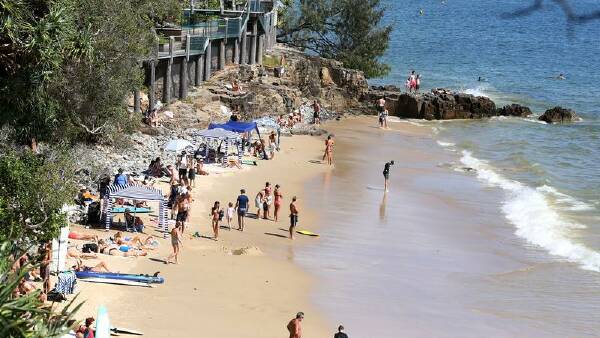
According to the Bureau of Statistics, regional populations grew by nearly 114,000 in the 2023/24 period, with a notable increase on the Sunshine Coast in Queensland. This surge is placing considerable pressure on regional housing markets and infrastructure. A recent report from analytics firm Cotality reveals that dwelling values in these areas increased by 2.4 percent in the three months leading up to October 2025. Many buyers are seeking refuge from escalating prices and competitive conditions in urban markets.
The regional rental market is also feeling the impact, with vacancy rates plummeting to 1.7 percent in late 2025. Rents have surged by 6.2 percent in regional areas compared to a 4.8 percent rise in capital cities. The Regional Australia Institute has called for a comprehensive strategy to enhance livability, job opportunities, skills development, and sustainability by 2032, addressing the challenges faced by these communities.
Shifting Demographics and Future Needs
The Regional Movers Index utilizes customer data from the Commonwealth Bank to track population movements, revealing that both Sydney and Melbourne are losing residents to regional areas at a faster rate than other capitals. The top five destinations for those moving to the regions include Queensland’s Sunshine Coast and Fraser Coast, as well as Greater Geelong and Moorabool in Victoria, and Lake Macquarie in New South Wales.
Emerging hotspots for newcomers seeking a change of scenery are found in regions such as Latrobe, Devonport, and the Huon Valley in Tasmania, along with Wodonga and the Colac Otway Shire in Victoria. These areas are attracting new residents due to their appealing lifestyle, industries, and scenic landscapes, according to Kylie Allen, the bank’s regional and agribusiness executive general manager.
While the outlook for regional Australia appears positive, challenges remain in attracting and retaining skilled professionals. Ms. Allen stated, “Even with a growing population, some sectors remain under pressure.” She emphasized that ongoing investment in training and upskilling is essential to meet the evolving demands of these expanding communities.
The increasing migration to regional areas suggests a fundamental shift in how Australians view work-life balance and housing. As urban centres become more congested, the appeal of regional living continues to grow, shaping the future landscape of both urban and rural Australia.