



































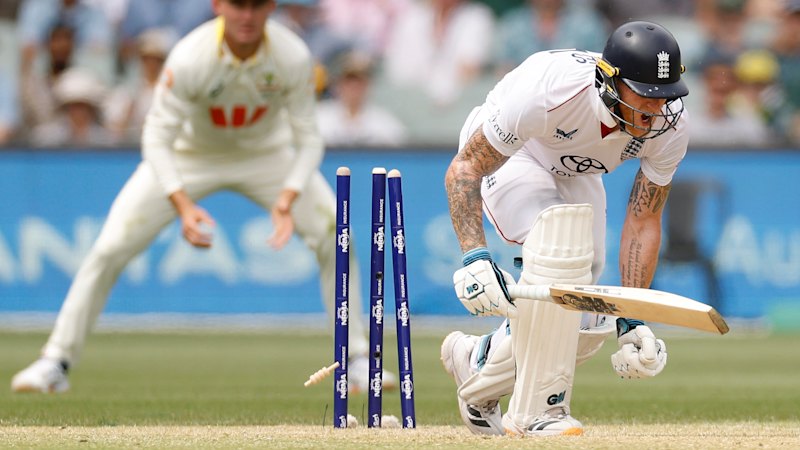
The ongoing 2025-26 Ashes series has highlighted a troubling trend for batsmen, as numerous players struggle to perform effectively against a backdrop of exceptional bowling. In an unprecedented turn of events, two Tests concluded within just two days, marking the first time such a feat has occurred in the Ashes since 1919. This unusual outcome raises questions about the current state of batting in Test cricket.
Bowlers have historically played a crucial role in shaping the dynamics of Test cricket, often driving the terms of engagement. Yet, the current series has been characterized by a significant absence of key bowlers. Notably, Josh Hazlewood has missed the entire series, while Pat Cummins and Mark Wood have each played only one Test. Other prominent bowlers, such as Jofra Archer and Nathan Lyon, were notably absent in the recent Melbourne Test.
Despite these absences, bowlers like Scott Boland and Michael Neser have excelled, taking a combined total of 26 wickets at an average of just 21.2. Their impressive performances come from bowlers who, collectively aged 71, deliver at speeds under 135 km/h. The effectiveness of this duo has drawn attention, but it also underscores the difficulties batsmen face in adapting to a challenging environment.
The Challenges of Modern Batting
The ongoing Ashes series has revealed that batting is more challenging now than it has been in recent memory. A key factor contributing to this struggle is the emergence of the “wobble seam” delivery, a pivotal development in fast bowling that has transformed the way bowlers operate. Introduced as a tactic long after the popularisation of reverse swing in the early 1990s, the wobble seam can be deployed at any point in an innings, providing bowlers with a versatile weapon.
During the two-day Tests in Perth and Melbourne, fast bowlers have effectively utilized this delivery, making it increasingly difficult for batsmen to settle at the crease. While reverse swing requires an older ball, the wobble seam can be employed right from the start, allowing bowlers to maintain pressure throughout an innings.
Mitchell Starc has been particularly effective using this technique, showcasing impressive returns during the series. His ability to generate movement has posed significant challenges for batsmen attempting to find their footing against a relentless bowling attack.
As the series progresses, the struggles of the batsmen raise questions about technique, adaptation, and the evolving nature of Test cricket. With bowlers setting the tone and batsmen reacting to the challenges presented, the 2025-26 Ashes series serves as a stark reminder of the delicate balance between bat and ball in the sport’s highest level of competition.
The outcome of this series will likely have lasting implications for how teams approach the game moving forward, especially as they seek to navigate the complexities introduced by modern bowling techniques.