










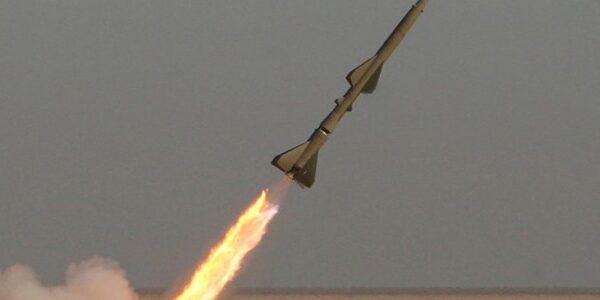
















UPDATE: OPEC+ has just confirmed a significant increase in oil production, set to rise by 206,000 barrels per day starting in April 2024, as tensions escalate in the Middle East. This decision comes amid ongoing conflicts fueled by US-Israeli strikes on Iran, which threaten to disrupt global oil supplies and push crude prices higher.
During a crucial virtual meeting on Sunday, key members led by Saudi Arabia and Russia agreed to accelerate their production increases after pausing hikes in the first quarter. This latest increment is 1.5 times larger than previous increases of 137,000 barrels made in December, signaling a critical shift in strategy as geopolitical tensions rise.
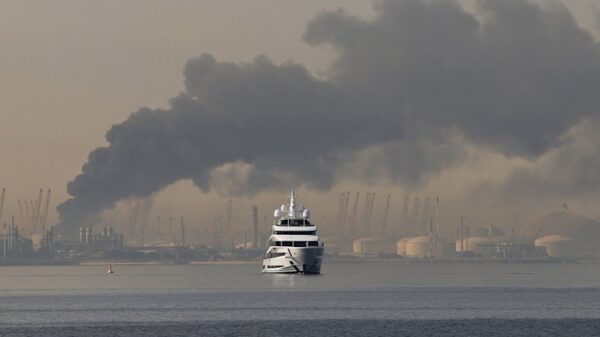
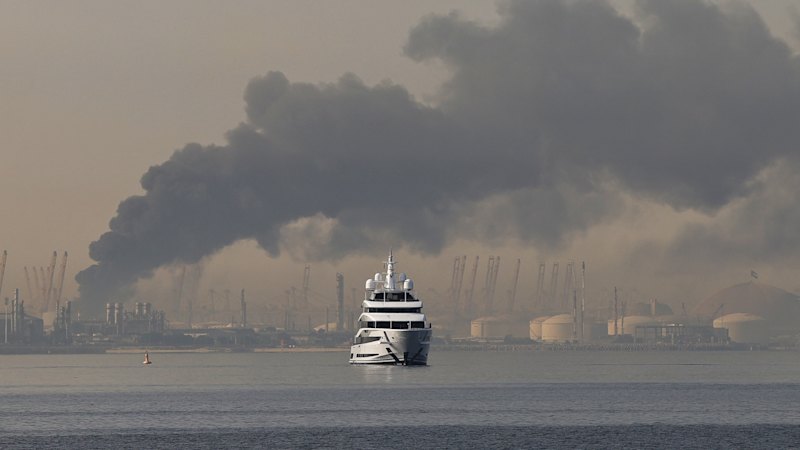
Oil prices surged to a seven-month high of $73 per barrel in London last week, reflecting growing fears over potential military escalations and supply disruptions. Analysts warn that while OPEC+ aims to stabilize markets, the output hike may not resolve underlying issues, particularly as the Strait of Hormuz—a vital conduit for global oil—faces significant risks of disruption.
Jorge Leon, head of geopolitical analysis at Rystad Energy, stated,
“This move is unlikely to calm markets — it’s a signal, not a solution.”
He emphasized that even with increased production, logistical constraints in Hormuz could keep the physical market tight.
Despite the announced increases, the actual spare capacity of OPEC+ members remains limited, primarily confined to Saudi Arabia and the UAE. According to the International Energy Agency, they hold approximately 2.5 million barrels per day, which constitutes less than 3 percent of world supplies. Helima Croft, head of commodity markets strategy at RBC Capital Markets, noted,
“Everything that you bring on now leaves less in reserve.”
As the situation develops, OPEC+ has been gradually restoring previously halted production, with plans to fully resume over 1 million barrels per day in the coming months. Key players will reconvene on April 5 to reassess the market and production strategies.
This increase in output is particularly essential as analysts had anticipated a substantial oil glut heading into 2026. However, recent production outages across North America and sanctions affecting Russia and Iran have complicated the outlook. Meanwhile, China continues to absorb excess oil for its strategic reserves, further complicating the demand-supply dynamics.
The urgency of this situation is underscored by the fact that any prolonged disruptions in the Strait of Hormuz could lead to significant export constraints, posing risks to several Gulf members. As the geopolitical landscape evolves, the implications for global oil markets remain uncertain, with traders and consumers closely monitoring developments.
Stay tuned for ongoing updates as this story unfolds and the impact of OPEC+’s decisions continues to resonate across the globe.