





























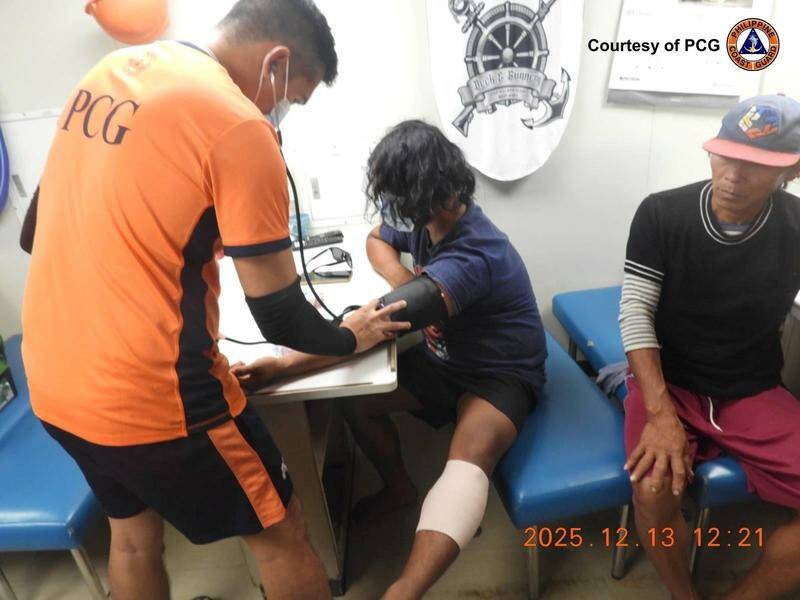
On March 10, 2024, the Philippine Coast Guard reported a severe confrontation involving Chinese coast guard ships and Filipino fishing boats at Sabina Shoal in the contested waters of the South China Sea. According to the Philippine Coast Guard, the Chinese vessels employed powerful water cannons and aggressive blocking maneuvers against 20 Philippine fishing boats, resulting in injuries to three Filipino fishermen and damage to two vessels.
The incident escalated further when Chinese personnel in smaller rubber boats intentionally severed the anchor lines of several Philippine fishing boats, placing the crews in peril amid challenging sea conditions, including strong currents and high waves. The Philippine Coast Guard described these actions as life-threatening.
International Tensions Rise
Although Chinese officials did not immediately respond to the reported incident, they have previously affirmed their commitment to defending their territorial claims in the South China Sea. This region is a critical global shipping route, with China asserting almost complete control despite a 2016 arbitration ruling that deemed its expansive claims invalid under the 1982 United Nations Convention on the Law of the Sea. China has dismissed this ruling as illegitimate and continues to maintain its stance.
In response to the confrontation, the Philippine Coast Guard deployed two ships to assist the fishermen at Sabina Shoal. These vessels encountered obstructive actions from the Chinese coast guard, with one Chinese ship reportedly closing in to within 30 metres of a Philippine vessel during nighttime operations. Commodore Jay Tarriela, spokesperson for the Philippine Coast Guard, highlighted the targeting of ordinary fishermen, stating, “The Chinese coast guard is now targeting ordinary fishermen, ordinary civilians, and they are endangering the lives of the Filipino fishermen.”
Despite the aggressive maneuvers, the Philippine Coast Guard successfully reached the fishermen, providing immediate medical assistance to the injured and delivering essential supplies. This intervention occurred after the heightened tensions, suggesting a temporary easing of the situation. The Philippine Coast Guard has since called upon their Chinese counterparts to adhere to internationally recognized maritime conduct, emphasizing the need to prioritize the safety of lives at sea over aggressive law enforcement actions that threaten civilians.
Broader Implications and International Support
The United States, while holding no claims in the South China Sea, has repeatedly expressed its commitment to defend the Philippines, its oldest treaty ally in Asia. This includes support for Philippine forces—coast guard personnel, ships, and aircraft—if they come under armed attack in the disputed waters. The ongoing territorial disputes in the South China Sea also involve other nations, including Vietnam, Malaysia, Brunei, and Taiwan, making it a significant flashpoint in regional politics.
This latest incident underscores the ongoing volatility in the South China Sea, as nations continue to navigate complex territorial claims amid rising tensions. The situation remains fluid, with potential ramifications for regional stability and international maritime law.