








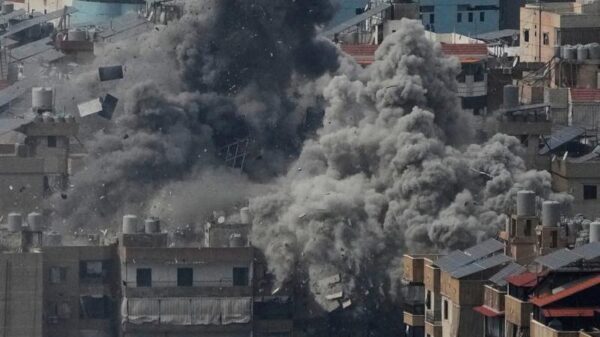




















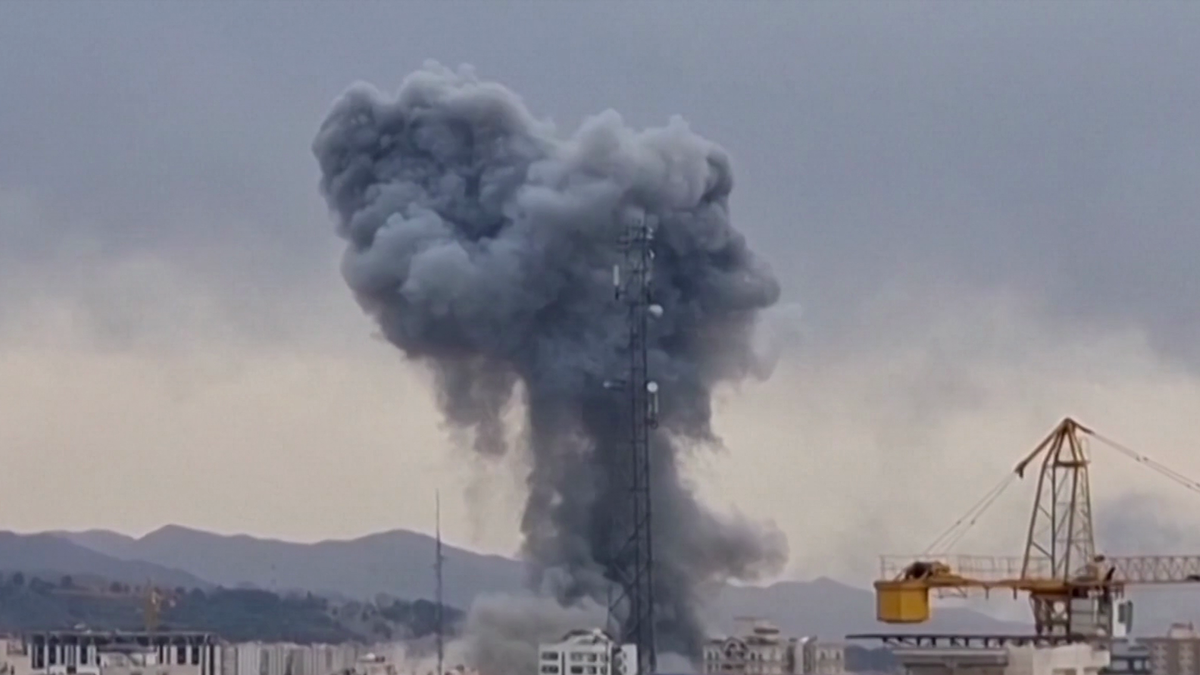
The ongoing conflict between Israel and Iran shows no signs of abating, according to Israeli President Isaac Herzog. In a recent interview with 7NEWS, Herzog asserted that Israel remains committed to its military objectives, even as the Middle East crisis exerts substantial pressure on global oil supplies and drives prices upward. His comments come shortly after Donald Trump suggested that U.S. military objectives in the region were nearing completion.
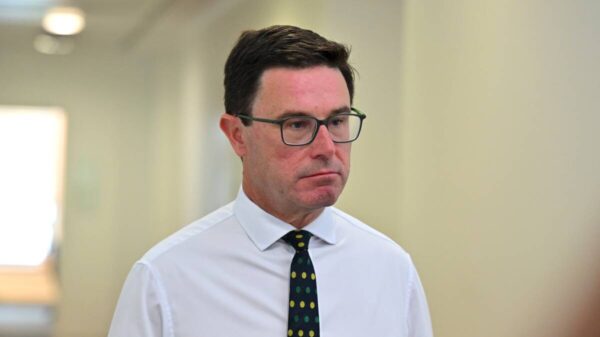
“We are standing firm. We are standing firm,” Herzog stated emphatically to chief reporter Chris Reason, marking the one-month anniversary of his visit to Australia. When pressed about the duration of the conflict, Herzog responded directly: “You have to understand there’s no walking away.”
Despite the turmoil, Herzog expressed optimism that the economic challenges resulting from the conflict would eventually stabilize, although he refrained from providing a specific timeline for resolution. “Limiting their capability militarily is a very important achievement. It’s really vital. But hopefully I want to see freedom for the Iranian people. They deserve it,” he remarked.
Global Fuel Supply Disruptions and Economic Impact
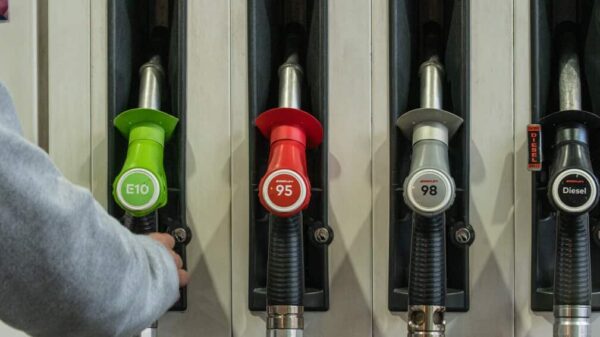
As the conflict continues, global fuel supply disruptions are becoming increasingly pronounced. In Vietnam, the trade ministry has urged businesses to encourage employees to work from home to conserve fuel. The southeast Asian nation heavily relies on energy imports from the Middle East and has experienced significant price increases: gasoline has surged by 32 percent, diesel by 56 percent, and kerosene by 80 percent since late February.
Long queues at gas stations have become commonplace in the capital, Hanoi. The Vietnamese government cited these developments in an official statement, emphasizing the need for strategic measures to mitigate the impact of rising fuel costs on the economy.
Meanwhile, concerns over the ongoing conflict have prompted warnings from Saudi Aramco, the world’s leading oil exporter. CEO Amin Nasser indicated that continued disruptions in the Strait of Hormuz could have “catastrophic consequences” for global oil markets. He noted that current global inventories of oil are at a five-year low and that the crisis is likely to accelerate drawdowns of available resources.
“There would be catastrophic consequences for the world’s oil markets the longer the disruption goes on, and the more drastic the consequences for the global economy,” Nasser stated during an earnings call.
Iran’s Stance and Military Threats
In a related development, a spokesperson for Iran’s paramilitary Revolutionary Guard issued a stark warning, stating that Iran would not allow “a single litre of oil” to leave the Persian Gulf. Ali Mohamad Naeini emphasized that Iran would prevent the export of oil to “the hostile side and its partners until further notice.” He further claimed that attempts by other nations to manage oil and gas prices would be “temporary and ineffective,” underscoring the complexities of trade in wartime conditions.
As tensions continue to escalate, the international community is left navigating a landscape marked by uncertainty and rising costs, with the potential for further economic fallout looming large.
The ongoing conflict between Israel and Iran, combined with the resulting economic consequences, highlights the intricate relationship between geopolitical tensions and global markets—a connection that will require careful monitoring in the upcoming months.