

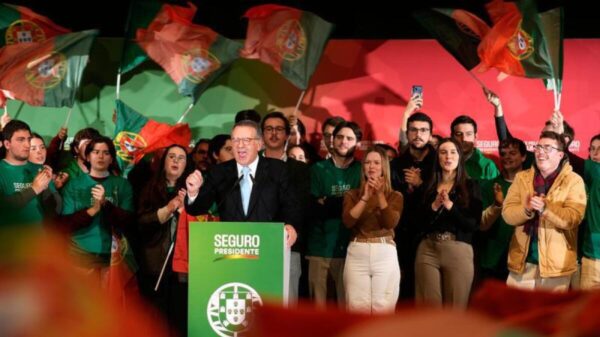
















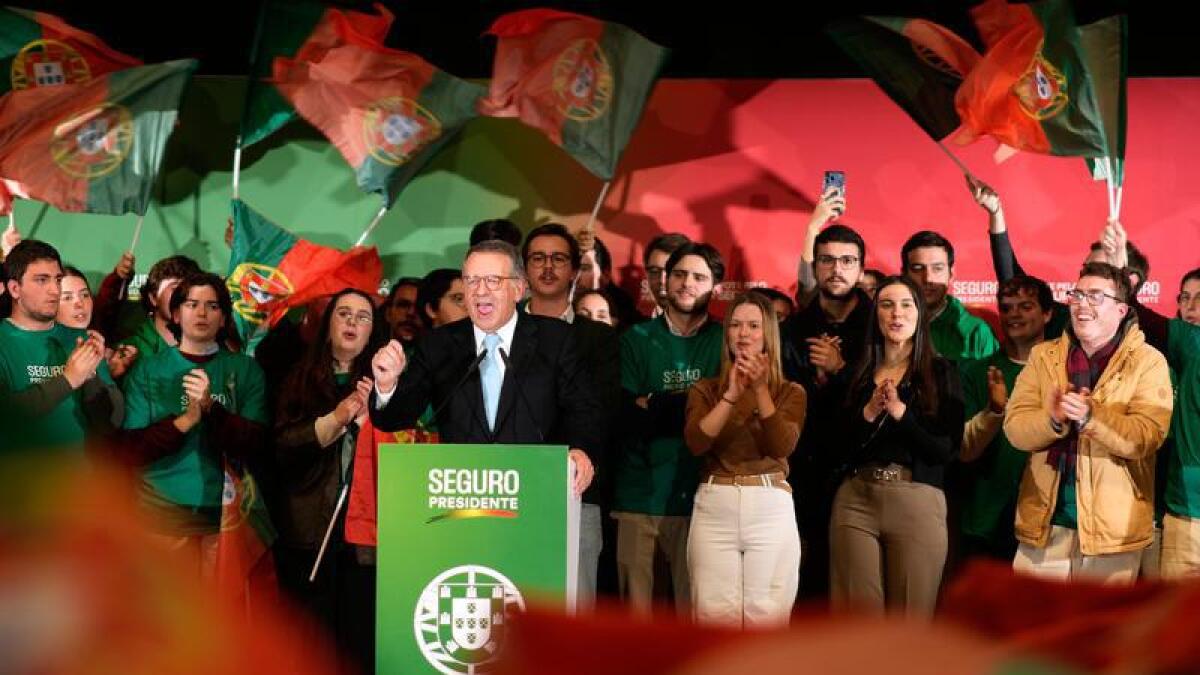
The presidential election in Portugal has emerged as a significant political contest, featuring candidates from both the socialist and far-right factions. While the presidency in Portugal is largely ceremonial, it holds vital powers such as dissolving parliament, calling snap elections, and vetoing legislation. As of now, with nearly 80 percent of the votes counted, António Seguro of the Socialist Party has captured just over 30 percent of the vote, according to partial results. Exit polls suggest his final tally could fall within the 30-35 percent range.
In contrast, André Ventura, leader of the far-right Chega party, is currently at 25.6 percent, exceeding the upper limit of his exit poll estimates, which ranged from 19.9 to 24.1 percent. The results from larger cities like Lisbon and Porto will be counted later, potentially affecting the final standings.
The right-wing, pro-business candidate Joao Cotrim de Figueiredo from the Liberal Initiative party is projected to secure third place among the total of eleven contenders, with exit polls indicating he may receive between 16.3 and 21 percent of the vote. The second round of voting is scheduled for February 8, 2024, if no candidate achieves a majority in the first round.
Chega, established only seven years ago, has quickly become a prominent player in Portuguese politics. In the previous parliamentary election held in May, the party garnered 22.8 percent of the votes, positioning itself as the main opposition force. The rise of far-right parties like Chega has influenced government policies across Europe, particularly in terms of adopting more restrictive immigration measures.
Despite his current standing, Ventura faces challenges in the runoff. Recent opinion polls indicate a high rejection rate of over 60 percent among voters, suggesting he may struggle to gain wider support. Nevertheless, Ventura remains determined. After attending a Catholic mass in downtown Lisbon, he expressed his resolve: “Now we need to unite the entire right wing … I will fight day by day, minute by minute, second by second so that there won’t be a Socialist president. We will win.”
As the election process unfolds, the implications of these results could have far-reaching effects on Portugal’s political landscape and policymaking for years to come. The closing weeks leading up to the second round are expected to be contentious as candidates rally their supporters and political narratives intensify.