



































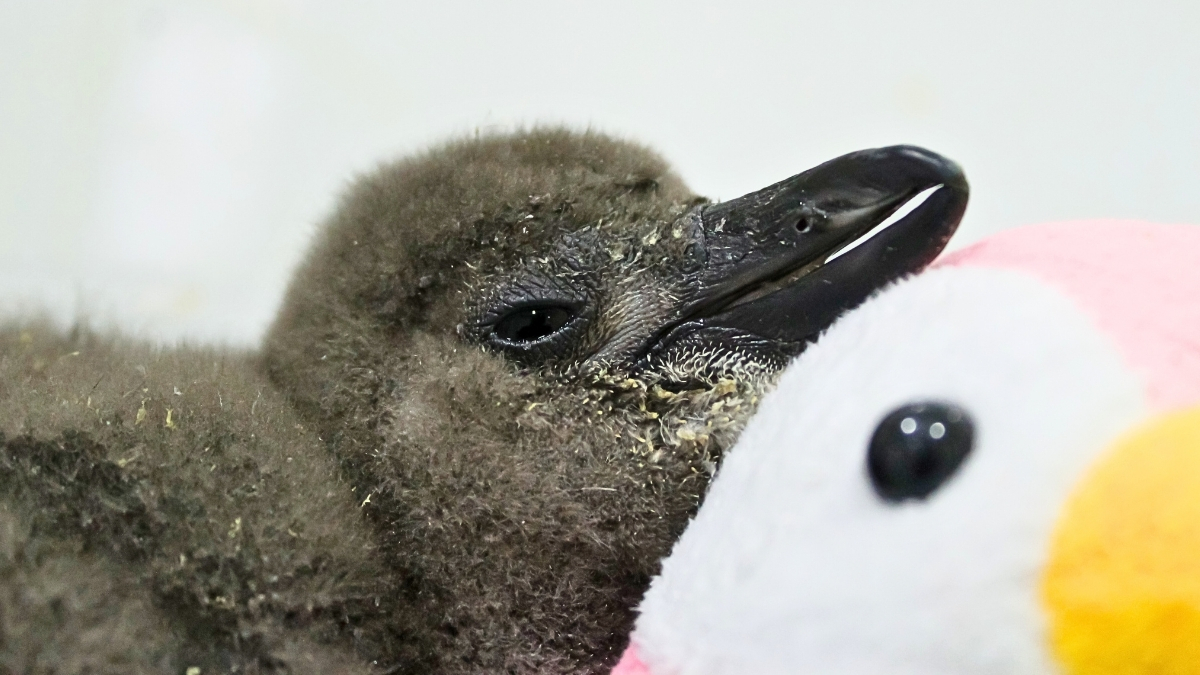
A recent study reveals a devastating impact of environmental changes and human fishing practices on the African penguin population along South Africa’s coast. During the past decade, approximately 62,000 adult penguins succumbed to starvation, contributing to a staggering 95 percent decline in their numbers over the last eight years. This alarming trend highlights the challenges faced by the species, which has seen a global population reduction of nearly 80 percent in the past three decades, according to research conducted by the University of Exeter‘s conservation biologist, Richard Sherley.
The African penguin, or Spheniscus demersus, typically spends about 20 days on land during its molting period, a crucial time when it sheds old feathers to maintain waterproofing and insulation. To prepare for this fasting period, the penguins usually increase their body fat. However, between 2004 and 2011, stocks of their primary food source, Sardinops sagax sardines, fell to only 25 percent of their peak levels. Sherley emphasizes that if food is scarce before and after molting, penguins lack the necessary reserves to survive.
Mass starvation affected two essential breeding sites for the African penguin during the 2004 to 2011 period. Ecologist Robert Crawford from Cape Town’s Department of Forestry, Fisheries, and the Environment, along with colleagues, determined that changes in temperature and salinity resulting from human-induced climate change were responsible for the dwindling fish stocks. The fishing industry’s high pressures further exacerbate the problem.
“Adult survival, particularly during the crucial annual molt, was closely linked to prey availability,” Sherley explains. He notes that exploitation rates of sardines reached as high as 80 percent in 2006, coinciding with a significant decline in fish due to environmental changes. This situation likely contributed to increased mortality rates among penguins.
The plight of the African penguin has not improved, leading to its classification as critically endangered, with fewer than 10,000 breeding pairs estimated in 2024. Local conservation efforts can only achieve limited success. Sherley advocates for fisheries management strategies that limit sardine exploitation when biomass falls below 25 percent of maximum levels, allowing more adult fish to survive to spawn and reducing juvenile mortality rates.
Without proactive measures to address environmental factors, restoring penguin populations will be a formidable challenge. Currently, the trajectory points toward a potential extinction of African penguins within the next decade. This situation reflects a broader crisis; human activities are driving wildlife populations down at an alarming rate, with an estimated decline of over two-thirds since the 1970s.
As highlighted by researchers, the interconnectedness of global ecosystems demands urgent action. Effective solutions require significant reductions in fossil fuel use and a commitment to sustainable practices to prevent further loss of biodiversity. This research was published in the journal Ostrich and underscores the urgent need for a collective response to safeguard vulnerable species like the African penguin.
