




























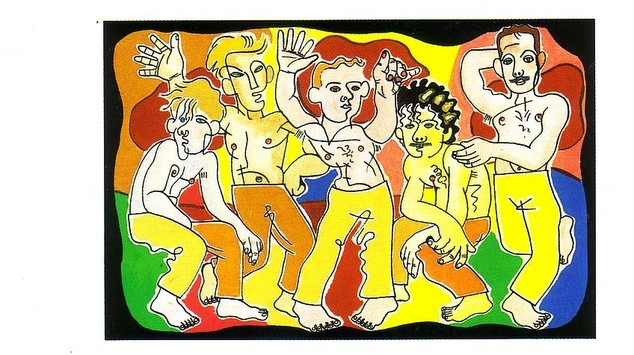
In a significant cultural clash in 1984, the BBC made headlines by banning the song “Relax” by the British band Frankie Goes to Hollywood. The ban, which originated from BBC Radio 1 DJ Mike Read’s refusal to play the provocative track, sparked widespread discussion and ultimately propelled the single to greater heights on the charts.
“Relax,” released in late 1983, quickly gained notoriety, particularly after the band performed on the popular television show Top of the Pops. The accompanying music video, filmed in an S&M club, showcased imagery that many deemed controversial. Following Read’s public disapproval of both the song and its cover art, the BBC imposed a full ban on its radio play. Despite this, some DJs, including Kid Jensen and John Peel, continued to play the track, defying the ban and contributing to its rising popularity.
The backlash against the ban only fueled the song’s success. “Relax” climbed to the number two position on the charts and, within a week, reached the coveted number one spot, where it remained for an impressive five weeks. Over its run, the song spent a total of 48 consecutive weeks in the UK Top 75 and made a comeback in February 1985, extending its chart presence to an impressive total of 52 weeks. The track re-entered the Top 10 in 1993 following the release of the band’s Greatest Hits collection and various remixes.
The cultural impact of “Relax” was part of a broader conversation about LGBTQ+ representation in media, which continued into the early 1990s with the emergence of the New Queer Cinema movement. One of the pivotal films from this era was Todd Haynes’ “Poison,” released in 1991. This film, comprised of three interwoven stories, examined themes of queer identity amidst the backdrop of the AIDS crisis. Critics noted how Haynes’ work highlighted the media’s portrayal of gay individuals and the diverse experiences within the LGBTQ+ community.
“Poison” garnered significant attention, winning the Grand Jury Prize for drama at the Sundance Film Festival. However, it also faced backlash from conservative politicians, many of whom had not even seen the film. Haynes, who had previously gained notoriety for his controversial short film about Karen Carpenter, continued to push boundaries with subsequent works, including “Safe” (1995) and “Carol” (2015).
On the same day in history, January 11, 1973, the documentary series “An American Family” premiered on public television in the USA. This groundbreaking series followed the Loud family from Santa Barbara and is often credited as one of the first reality television shows. The series featured Lance Loud, the family’s oldest son, who came out as gay during the broadcast, declaring himself “Homo of the Year.” After the show, Loud moved to New York City and became the frontman for the new-wave band The Mumps.
Lance Loud’s journey and his eventual passing from an AIDS-related illness in 2001 highlighted the struggles faced by many in the LGBTQ+ community during that era. His memorial service featured a performance of “Over the Rainbow” by his close friend Rufus Wainwright. In 2010, a feature film was made about the series, with actor Thomas Dekker portraying Loud.
Another significant milestone occurred in 1994 when the Wall Street Journal sent a memo to its staff permitting the use of the word “gay” in articles and headlines. Prior to this, journalists were restricted to using the term “homosexual,” marking a gradual shift in language and representation in mainstream media.
The BBC’s ban of “Relax” and the subsequent cultural developments highlight a pivotal moment in the fight for LGBTQ+ visibility and representation in the arts. As society continues to evolve, the legacy of these works remains an important chapter in the ongoing dialogue surrounding identity and expression.