



































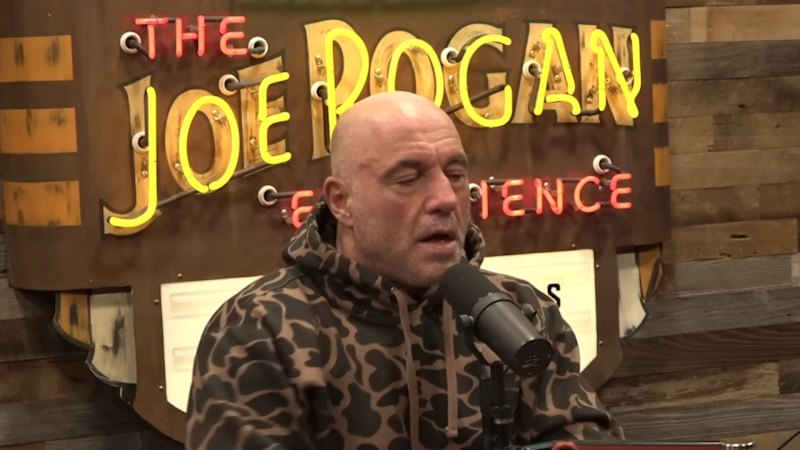
Joe Rogan, the influential podcast host and comedian, has made headlines by comparing the U.S. Immigration and Customs Enforcement (ICE) agency to the Gestapo, the infamous secret police of Nazi Germany. This statement marks a significant departure from former President Donald Trump, who has consistently supported ICE’s immigration enforcement policies.
Rogan’s comments came during a recent episode of his podcast, “The Joe Rogan Experience,” where he expressed concern over the agency’s practices and the implications for civil liberties. He described ICE’s actions as extreme, suggesting they mirror the oppressive tactics employed by the Gestapo during World War II. The remarks have sparked heated discussions across social media platforms, with many users weighing in on the comparison.
Context of Immigration Enforcement in the U.S.
ICE was established in 2003 as part of the Department of Homeland Security and has been a focal point in the debate over immigration policy in the United States. Proponents argue that the agency plays a crucial role in enforcing laws and protecting national security, while critics contend that its methods can be excessively harsh and violate human rights.
Rogan’s comparison has drawn attention not only for its provocative nature but also for the potential shift in public opinion regarding ICE. While the former administration sought to bolster the agency’s image, Rogan’s remarks challenge the narrative that has long surrounded immigration enforcement.
The podcast host is known for his candid discussions on a variety of topics, often inviting guests from diverse backgrounds to share their perspectives. His ability to reach millions of listeners has made him a significant figure in shaping public discourse, particularly among younger audiences.
Public Reaction and Implications
Following Rogan’s comments, social media users quickly reacted, with some expressing agreement and others vehemently opposing the analogy. Critics of ICE have found validation in Rogan’s comparison, arguing that it highlights the agency’s controversial practices. Supporters of ICE, on the other hand, have condemned the comparison as an exaggeration that undermines the agency’s role in maintaining border security.
This incident underscores the growing divide in opinions about immigration enforcement in the U.S. With figures like Rogan speaking out, the dialogue surrounding ICE may evolve further, influencing both public sentiment and potential policy changes.
Rogan’s statements reflect a broader trend where influential public figures are increasingly willing to challenge conventional narratives. As discussions about immigration continue to unfold, the impact of such comparisons can resonate beyond the immediate controversy, potentially shaping future debates on the subject.
In a landscape where immigration policy remains a polarizing issue, Rogan’s remarks serve as a reminder of the ongoing complexities involved in discussions about national security and human rights. As public figures engage in these conversations, the implications for policy and public opinion will likely continue to develop in the months ahead.