




























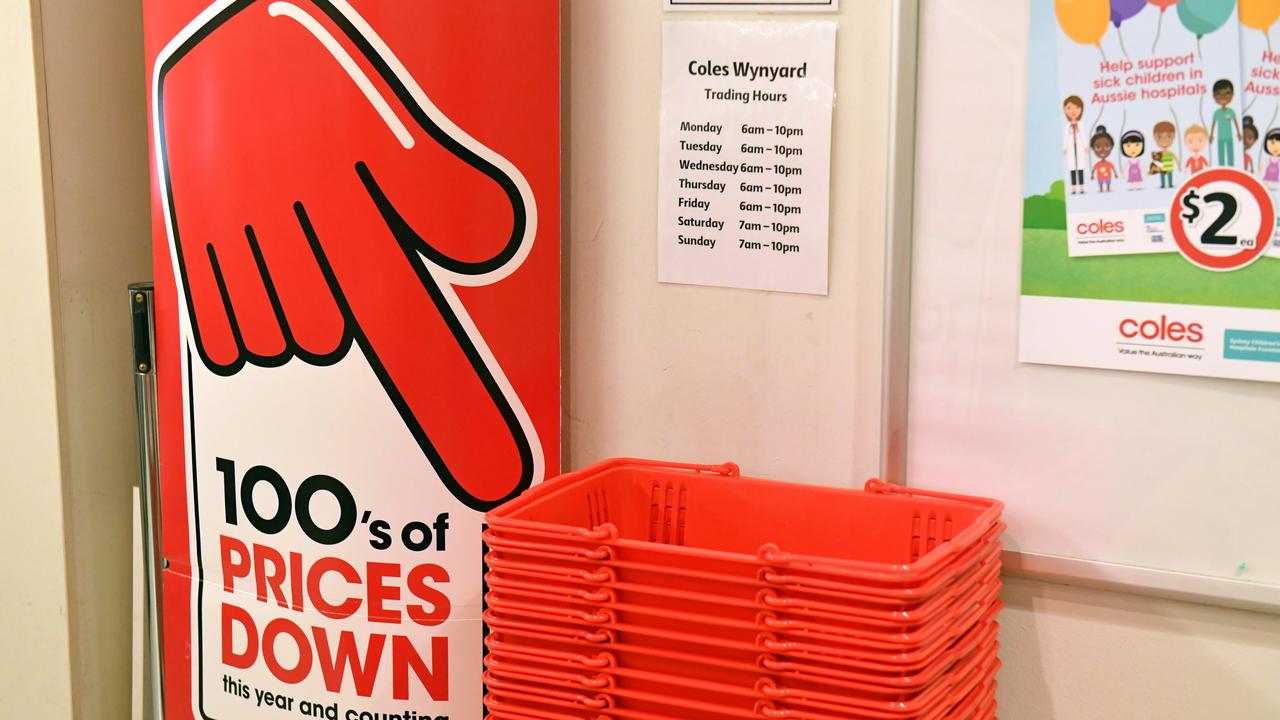
Coles, one of Australia’s largest supermarket chains, is contesting allegations of misleading advertising related to its “down down” pricing campaign. The Australian Competition and Consumer Commission (ACCC) has accused the retailer of intentionally deceiving customers by suggesting that prices were falling when, in fact, they were on the rise. This legal confrontation is currently unfolding in the Federal Court, where Coles is defending its marketing practices.
In his closing remarks, Garry Rich SC, representing the ACCC, argued that the “down down” campaign, launched in 2010, misled consumers into believing that prices on numerous products were decreasing. He highlighted specific instances, such as the price of a jar of Coles-brand quince paste, which was raised from $3 to $4.50 for four weeks before being reduced to $3.15. Rich contended that this brief period did not qualify as a legitimate regular price for the product.
Justice Michael O’Bryan has emphasized the need to ascertain whether the “down down” pricing truly represents a genuine discount. In response, John Sheahan KC, defending Coles, argued that the ACCC’s approach was flawed. He suggested that the emphasis on how long a product was at a higher price was not the core issue. Instead, he stated, “They treat what is an indicia, namely the period of time, as the substantive issue, when it is just an indicia.”
Sheahan further maintained that the “down down” prices were authentic discounts, reflecting the impacts of rising wholesale costs exacerbated by inflation following the COVID-19 pandemic. “Rising inflation is a matter of public commentary and daily concern for shoppers,” he asserted.
Rich countered this argument by asserting that consumers interpret “down down” as indicative of price reductions. He stated, “(Consumers) think it means something and what they think it means is that the price of this product has gone down.” Rich expressed concern that many customers may not realize that the price had been significantly higher just weeks prior.
The ACCC claims that Coles’ pricing strategy misled customers over a span of 15 months, raising prices on thousands of everyday items before offering discounts that sometimes resulted in prices equal to or higher than the original shelf price. Justice O’Bryan has also raised questions about whether consumers, pressed for time, might perceive “down down” as a general statement about pricing trends rather than a specific claim about individual products.
As this high-profile case continues, the outcome could have significant implications for advertising practices within the retail sector, particularly regarding how companies present pricing information to consumers.