



































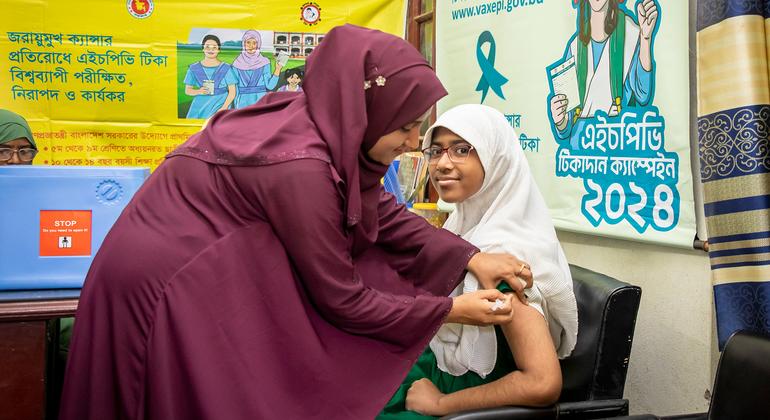
Cervical cancer is responsible for claiming a life every two minutes, according to a recent report from the United Nations. This alarming statistic highlights the urgent need for increased awareness and improved access to preventive healthcare measures worldwide. The UN’s findings reveal that an estimated 570,000 new cases are diagnosed each year, with approximately 311,000 women succumbing to the disease annually.
These figures underscore a significant public health challenge, particularly in low- and middle-income countries, where over 51% of cases occur. The disparity in healthcare access raises critical questions about the availability of screening and vaccination programs that could reduce the incidence and mortality rates associated with this disease.
Raising Awareness and Access to Care
Jeanette, a young woman diagnosed with cervical cancer, embodies the emotional and physical toll of this disease. Faced with uncertainty about her future and the possibility of motherhood, her story reflects a common experience among many diagnosed with this condition. Cervical cancer often emerges silently, with symptoms not appearing until the disease reaches an advanced stage. This reality makes regular screening and early detection vital for improving outcomes.
The World Health Organization emphasizes that vaccination against human papillomavirus (HPV) and regular screenings can significantly decrease the risk of developing cervical cancer. Despite these preventive measures being available, millions of women worldwide remain unprotected due to various barriers, including lack of education and limited healthcare resources.
Global Response and Future Directions
In response to the escalating crisis, health organizations are calling for a multi-faceted approach to tackle cervical cancer. The UN has highlighted the importance of integrating comprehensive sexual health education into school curricula, which can empower young women to make informed decisions about their health. Moreover, governments are urged to prioritize funding for HPV vaccination programs and accessible screening services, especially in underserved regions.
As the international community rallies to combat this pressing issue, it is crucial to break down the stigma associated with cervical cancer and encourage open discussions about women’s health. The ongoing efforts to raise awareness and improve healthcare access aim not only to reduce mortality rates but also to foster a supportive environment for women grappling with this diagnosis.
Jeanette’s journey is a reminder of the human impact of cervical cancer and the collective responsibility to ensure that no woman faces this disease alone. As advocates push for change, it is imperative that governments, healthcare providers, and communities come together to address the challenges posed by cervical cancer and work towards a future where lives are saved and hope is restored.