


































Research conducted at the University of Barcelona has introduced a groundbreaking optogenetic technique that enables precise control over a critical molecular mechanism involved in Huntington’s disease. The study highlights how synaptic plasticity—the brain’s capacity to adapt neuronal connections for learning—is significantly affected by this neurodegenerative condition. The findings, published in the journal iScience on March 15, 2024, offer promising new insights into potential therapeutic strategies for patients suffering from the disease.
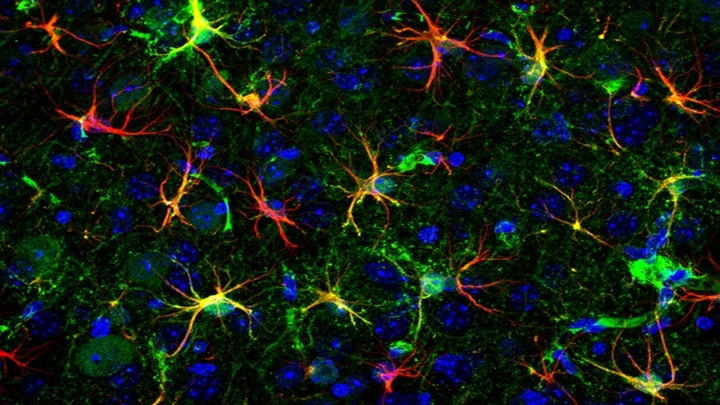
The research team, led by Mercè Masana, professor at the university’s Faculty of Medicine and Health Sciences, utilized an innovative optogenetic tool to investigate the role of astrocytes. Traditionally viewed as supportive cells, astrocytes were found to actively influence synaptic plasticity, which is impaired in Huntington’s disease. Collaborating institutions included the University of Vic-Central University of Catalonia, the August Pi i Sunyer Biomedical Research Institute (IDIBAPS), and the CIBER Area for Neurodegenerative Diseases (CIBERNED), among others.
Deciphering Brain Dysfunction through Optogenetics
The study focused on the role of cyclic adenosine monophosphate (cAMP) signaling in synaptic plasticity. The researchers compared astrocytes from healthy mice with those from a Huntington’s disease mouse model. They employed a novel optogenetic approach using a photoreceptor protein known as photoactivatable adenylate cyclase (DdPAC), which allows the manipulation of cAMP levels through light exposure. This method provided significant control over the timing and location of cAMP activation within the brain.
According to Mercè Masana, “In this in vivo mouse model, we used DdPAC to increase cAMP levels when illuminated with red light and deactivate them using far-infrared light. This approach allows for precise temporal and regional control of the signaling pathway.” The results indicated that activating cAMP in astrocytes enhances synaptic plasticity in neurons.
The study also revealed notable differences in the Huntington’s disease mouse model. The hemodynamic response—blood flow changes in the brain—was more pronounced compared to healthy animals. This suggests that astrocytes are not responding normally in Huntington’s disease, indicating a disruption in their regulatory role in synaptic plasticity.
Implications for Neurodegenerative Disease Treatment
The findings from this research could have far-reaching implications for various neurodegenerative diseases. Mercè Masana emphasized that since this signaling pathway is disrupted in multiple conditions, understanding its role could illuminate how imbalances contribute to overall brain dysfunction. The optogenetic tool developed offers advantages over traditional methods, facilitating precise control while allowing modulation of complex signaling pathways that can induce long-term changes in cellular function.
“This approach could pave the way for the development of new therapeutic strategies not only for Huntington’s disease but also for other conditions where increased cAMP positively affects neuronal or glial function,” Masana stated. The potential for non-invasive application further enhances the tool’s value in research and treatment.
As research continues, the study underscores the necessity of reevaluating the roles of astrocytes in brain function and dysfunction. By advancing our understanding of neurobiology through innovative techniques, this research could lead to more targeted and effective therapies for neurodegenerative conditions that affect millions globally.