
































NASA is advancing preparations for its Artemis program, which aims to land the first woman and the next man on the lunar South Pole in 2024. At the agency’s Johnson Space Center in Houston, engineers are rigorously testing tools and developing training techniques for operations on the Moon’s surface.
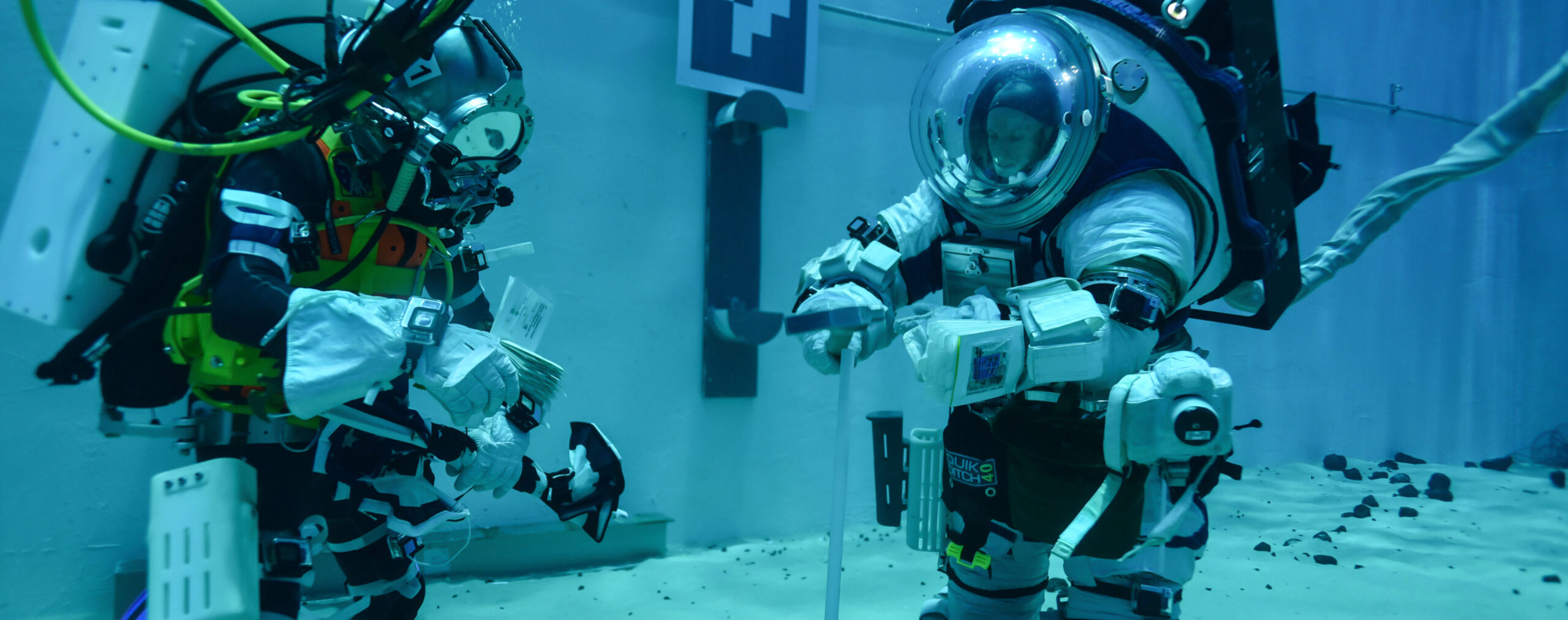
As part of this initiative, a series of simulations is taking place at the Neutral Buoyancy Lab (NBL). Here, astronauts wearing a demonstration version of the exploration spacesuit are collaborating with engineers equipped in “hard hat” dive gear. Together, they are simulating various tasks that the crew may perform once they arrive on the lunar terrain.
The focus of these tests is to ensure that both astronauts and engineers are adequately prepared for the challenges of lunar exploration. The simulations aim to refine the tools and processes that will be used during the missions, providing essential insights into how best to conduct operations on the Moon.
The Artemis program marks a significant step for NASA, as it not only seeks to return humans to the Moon but also aims to establish a sustainable presence there. This initiative is seen as a crucial building block for future missions to Mars. As the Astronaut Class of 2025 prepares for their eventual roles in these historic missions, the excitement is palpable among the teams involved.
NASA continues to emphasize the importance of preparation in achieving the ambitious goals set forth by the Artemis program. The agency is committed to ensuring that every aspect of the mission is carefully planned and executed, from the training of astronauts to the development of advanced technologies.
With less than a year remaining until the anticipated lunar landing, the rigorous testing and training activities underscore NASA’s commitment to safety and success in this new era of space exploration. The collaboration between astronauts and engineers in the NBL exemplifies the teamwork necessary to realize these ambitious goals.
As preparations continue, the world watches with keen interest, eager to witness the next chapter in humanity’s journey to the Moon. The Artemis program not only represents a return to lunar exploration but also an opportunity to inspire future generations of scientists, engineers, and explorers.