






























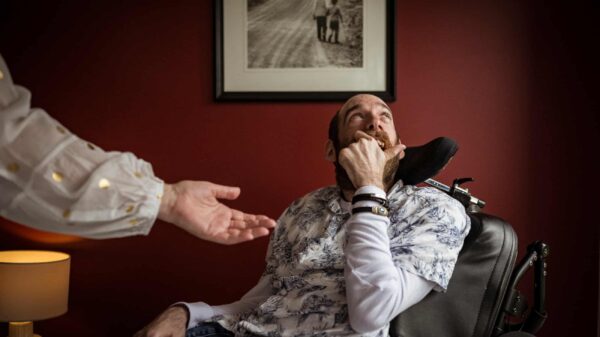



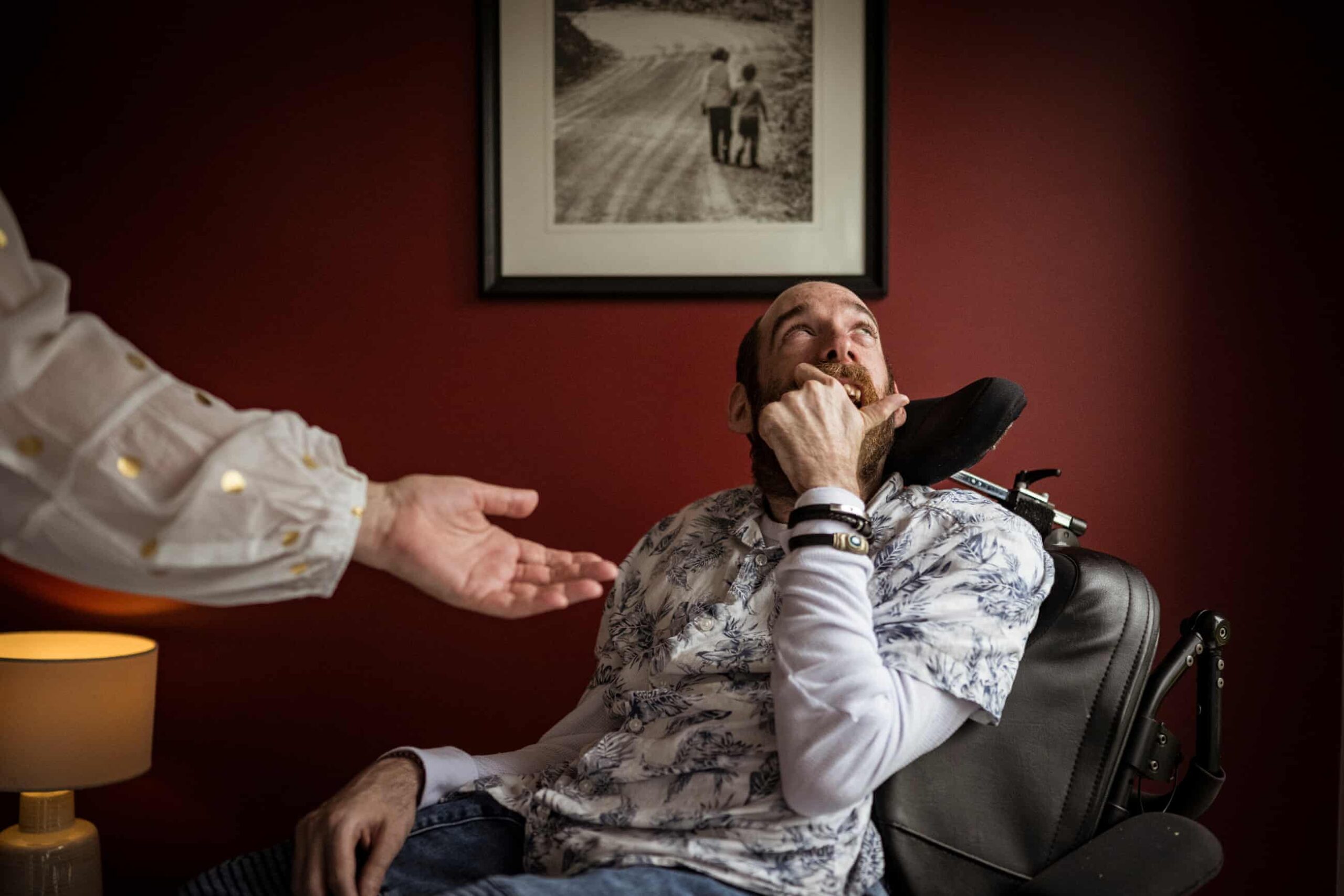
Scott Clough, a 47-year-old man with cerebral palsy, quadriplegia, epilepsy, and blindness, received life-saving support through an unexpected source: the Administrative Review Tribunal (ART). This tribunal serves as the last resort for individuals challenging decisions made by the National Disability Insurance Scheme (NDIS). Clough’s case highlights the complexities of navigating the NDIS’s support system, especially as proposed changes threaten to limit access to similar assistance for others.
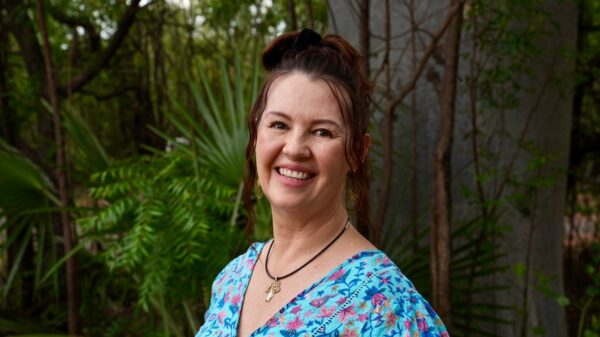
Clough, who communicates using a communication book and through tapping his left hand, has been living with his sister and primary carer, Julienne Verhagen, since late 2019. Thanks to approximately $835,000 annually in NDIS funding, he receives 24/7 support, allowing him to avoid moving into a supported independent living facility, which Verhagen describes as a “group home.” While he has experienced quality care at such facilities, he also faced neglect and serious abuse.
In 2023, Clough’s NDIS support plan was drastically reduced by nearly 50%, dropping to about $415,000 per year. This change would have forced him back into group housing, a situation Verhagen believed would jeopardize his health. “I told him, ‘over my dead body,’” Verhagen stated, determined to fight for her brother’s needs. After their internal appeals were denied, they turned to the ART.
After a protracted legal battle lasting two years and costing approximately $24,000, they achieved a significant victory in November 2025. Clough’s new NDIS plan, which included 1:1 support, overnight carers, and reinstated therapies, was approved at an annual value of $1.28 million, nearly triple the amount they had been contesting. “As flawed as the ART process is – and it’s seriously flawed… it was the only choice we had, and he would not be alive today without it,” Verhagen commented.
Statistics reveal Clough is not an isolated case. According to data released by the ART, there were 7,935 new cases lodged in the year ending June 2025, marking a striking 95% increase from the previous year. The NDIS reported 7,132 new cases, a 76% rise during the same period. The ART noted that in nearly three-quarters of cases (73%) during the eight months leading to June 2025, the NDIA’s decisions were overturned, a figure significantly higher than in other areas under ART jurisdiction.
Challenges Ahead
While the victory brought immediate relief, both Verhagen and Clough now face concerns over upcoming changes to the NDIS. A recent investigation by The Guardian revealed government plans to drastically reduce the ART’s authority to modify NDIS plans starting mid-2026. Under the proposed “New Framework Planning,” support plans would be generated by a computer program, and NDIS staff would lack the discretion to amend them, raising alarms among disability advocates who have termed this approach “robo-planning.”
The NDIA contends that the New Framework Planning aims to minimize human error and ensure consistency in support plan development. They assert that while humans will still partake in assessments, the outcomes will be processed through the computerized system. However, as per legal advice cited by NDIA officials, if a participant appeals, the ART will only be able to return the plan for recalculation using the same tool, lacking the authority to reinstate funding or alter the plan directly.
Belinda Kochanowska, a disability law expert and founder of Intrepidus Law, criticized this approach as a “loop-de-loop appeal right,” where individuals could only request the same assessment repeatedly without any substantive changes. “There’s been many changes to the scheme, and this is going to be, in my view, a catastrophic one,” she stated, warning of potential harm to participants.
Naomi Anderson from the Villamanta Disability Rights Legal Service echoed these concerns, emphasizing the essential role of the tribunal as an independent arbiter that can override decisions. “We’re about to lose that with new framework plans,” she said. The need for a robust appeals process is particularly critical, especially with the introduction of a computer-based system for generating NDIS plans.
Both Verhagen and Clough worry for others in the disability community who might suffer without the checks and balances that ultimately secured Clough’s funding. “You’re very worried about those people and what’s going to happen to them, aren’t you?” Verhagen asked Clough, to which he responded with a series of slow hand claps against hers, indicating his concern.
During a Senate estimates hearing in December, NDIA executives, including NDIS Minister Jenny McAllister, faced inquiries about the implications of these changes. Deputy CEO Matthew Swainson confirmed that the ART would no longer hold the power to adjust total NDIS funding amounts, a significant shift noted by Greens Senator Jordon Steele-John.
As the NDIS continues to evolve, there are hopes for safeguards to be included in the new framework. A spokesperson for the NDIA stated that they are collaborating with the disability sector to design new planning rules, with public consultations expected to commence in early 2026. Anderson expressed hope that any new regulations would address risk assessments, ensuring that participants’ needs are prioritized over agency interests.
As the landscape of disability support in Australia changes, the stories of individuals like Scott Clough serve as a powerful reminder of the importance of advocacy and the need for systems that protect vulnerable populations.