


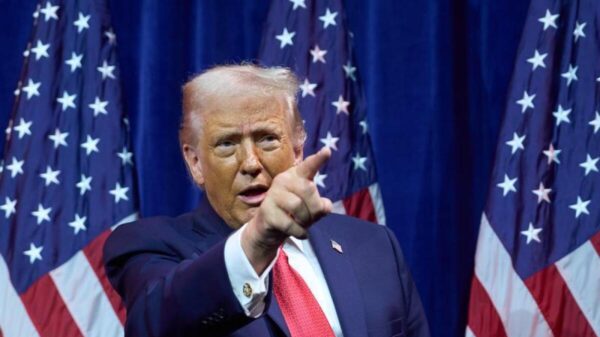
























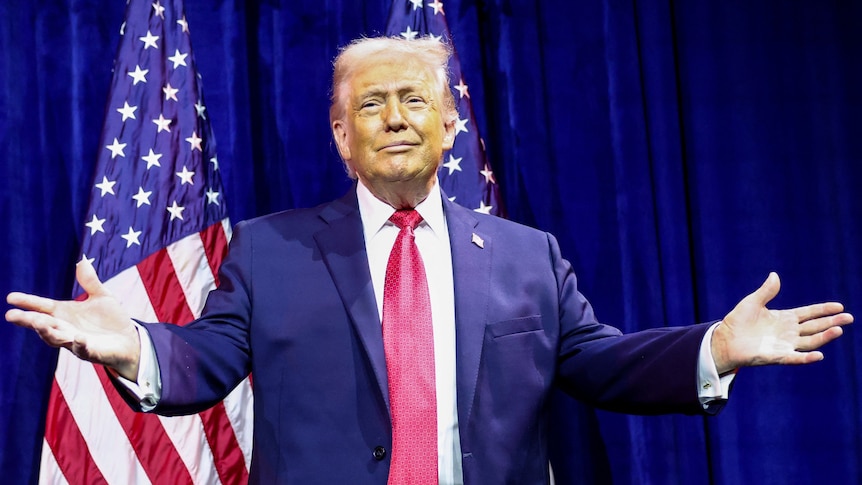
Former President Donald Trump has stated that the United States may maintain oversight of Venezuela for an extended period. Speaking at a recent event, Trump emphasized that “only time will tell” how long this oversight will last, highlighting the ongoing complexities surrounding the political and economic situation in the South American nation.
The U.S. has imposed a series of sanctions aimed at Venezuelan officials and state-owned enterprises since the crisis began. These measures are part of a broader strategy to pressure the government of President Nicolás Maduro amid allegations of human rights abuses and corruption. Trump’s comments suggest a commitment to continued U.S. involvement in Venezuelan affairs, a stance that is likely to influence future policymaking.
Context of U.S. Involvement in Venezuela
The U.S. government has taken a keen interest in Venezuela, particularly as the country grapples with hyperinflation, widespread poverty, and a humanitarian crisis that has driven millions to flee. According to the United Nations, over 7 million Venezuelans have left the country since 2014, seeking better opportunities abroad.
The Trump administration’s approach has included not only sanctions but also support for opposition leaders. The backing of figures like Juan Guaidó, who declared himself interim president in 2019, reflects U.S. efforts to undermine Maduro’s rule. However, these strategies have produced mixed results, leading to questions about their effectiveness and sustainability.
The potential for long-term oversight raises significant implications for U.S.-Latin American relations. Critics argue that prolonged intervention may exacerbate tensions and could lead to a more entrenched conflict. Supporters, on the other hand, contend that continued pressure is necessary to foster democratic change in Venezuela.
Future Implications
Trump’s remarks come at a time when the Biden administration is also navigating its own policy towards Venezuela. The current administration has indicated a willingness to engage diplomatically, while still maintaining sanctions. This dual approach aims to encourage a return to democracy without escalating tensions further.
As the situation evolves, the international community will be watching closely. The implications of U.S. oversight could extend beyond Venezuela, affecting regional stability and international relations in Latin America.
In summary, Trump’s assertion about the potential length of U.S. oversight in Venezuela highlights an ongoing commitment to influence the political landscape there. With the crisis showing no signs of resolution, the future of Venezuelan governance and U.S. involvement remains uncertain.