





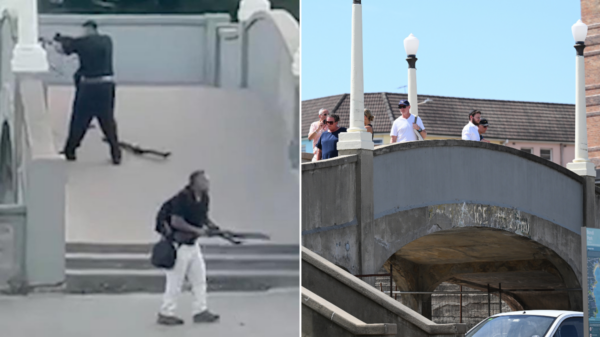

























On December 17, 2023, Australia was shaken by the tragic Bondi massacre, resulting in the deaths of 15 innocent people. This event profoundly impacted the nation, challenging the perception that such atrocities were foreign to Australia. Prime Minister Anthony Albanese, who had enjoyed a successful year leading his party to victory in May, now faces immense scrutiny and calls for accountability in the wake of this devastating incident.
Prior to the massacre, Albanese appeared to be on a strong footing politically. His government had seen off challenges from political adversaries including Peter Dutton, the leader of the Liberal Party, and Adam Bandt, leader of the Greens, both of whom lost their seats in a significant electoral defeat. Many Australians viewed Albanese as the preferable choice over the opposition, even if he did not evoke widespread enthusiasm.
Despite the political victories, several challenges loomed. Inflation was beginning to rise, productivity remained stagnant, and revelations of excessive government spending on travel had sparked discontent among constituents grappling with a cost-of-living crisis. Albanese may have believed his usual strategy of weathering political storms would suffice, especially following his recent marriage to Jodie Haydon, which he hoped would generate public goodwill.
Contrast in Leadership Responses
The Bondi massacre changed the political landscape almost instantly. In just six minutes on a quiet Sunday afternoon, the tragic events left a mark on Australia’s psyche. The public response was one of shock and disbelief; such violence was thought to be beyond the realm of possibility within the nation.
Crises often offer leaders an opportunity to show empathy and strength, and Chris Minns, the Premier of New South Wales, exemplified this response. He effectively engaged with the community, acknowledging the government’s shortcomings and expressing compassion for victims and leaders within the Jewish community. His approach contrasted sharply with Albanese’s response, which many perceived as defensive and evasive.
When calls for a royal commission into the massacre arose, Albanese declined, opting instead to avoid scrutiny that could reflect poorly on his government. This decision sparked further dissatisfaction, as critics argue that a transparent investigation is necessary to address the fears and grief of the Jewish community and the nation at large.
The ramifications of the Bondi massacre extend beyond immediate grief; they raise questions about national safety and government accountability. The Jewish community, impacted deeply by the tragedy, is unlikely to allow the issue to fade from public discourse. Their pursuit of justice and answers will likely remain a focal point in the lead-up to the next federal election in 2026.
Looking Ahead
As the nation grapples with the aftermath of this tragedy, Albanese must reconsider his approach. The political landscape has shifted, and the tactics that once served him well may no longer suffice. The Australian public demands a leader who can engage directly with their concerns and display a commitment to accountability.
Moving forward, Albanese faces a critical moment in his leadership. The decisions and responses he makes in the coming months will not only shape his political future but also influence the broader narrative of safety and responsibility in Australia. The challenge remains: to rise above the storm and lead with both strength and compassion.
“We must address the grief and anger within our communities,” said a representative from the Jewish community following the massacre.
Ultimately, the path Albanese chooses could define his legacy as Prime Minister. The time for reflection and strategic planning is now, as the nation looks to its leader for guidance and reassurance in these troubling times.