Anti-Semitic violence has escalated in Australia, prompting calls for urgent action from Prime Minister Anthony Albanese. Recent events in two cities, occurring just days after the deadliest terror attack on Australian soil, have intensified concerns about rising anti-Jewish sentiments. A series of incidents, including the firebombing of a local rabbi’s vehicle in Melbourne, highlight an alarming trend that many believe requires immediate government intervention.
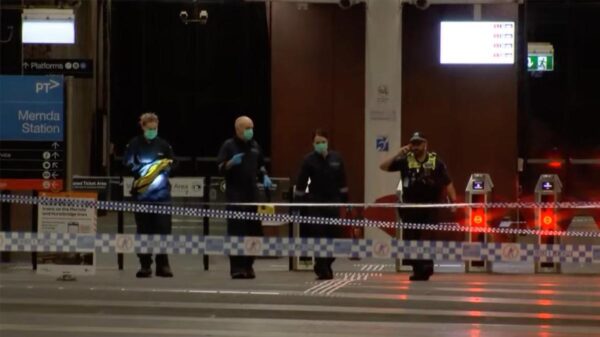
On December 25, 2023, a vehicle belonging to a rabbi, who had displayed a “Happy Chanukah” sign, was targeted in the driveway of his home in St Kilda. The attack occurred while the rabbi’s family was inside, underscoring the distressing reality faced by members of the Jewish community. The rabbi described the incident as “scary” and “unsettling.” Just hours earlier, similar items used in the attack on the Bondi community, which resulted in the tragic deaths of 15 individuals, were found in the home of a man in Perth who had been spreading anti-Semitic rhetoric online.
Albanese called the recent acts “beyond comprehension” and emphasized the need for unwavering support for the Jewish community during these difficult times. While his sentiments align with those of many Australians, critics argue that words alone are insufficient. They demand a comprehensive response, including a royal commission into the rise of anti-Jewish attitudes.
In the wake of these incidents, Albanese announced a departmental probe intended to uncover intelligence gaps that may have contributed to the violence. Additionally, he outlined a five-point plan to combat anti-Semitism. While these measures are seen as positive steps, many advocate for a more thorough examination of the systemic issues allowing such hatred to thrive, particularly since the Hamas attacks on October 7, 2023.
Albanese faced questions about the possibility of a royal commission during a press briefing following the St Kilda attack, but he reiterated his focus on the departmental inquiry. “What we’ll do is continue to cooperate and work with NSW. We’ll also commission the intelligence agencies’ inquiry, which will report by the end of April,” he stated. Critics argue that this approach falls short of the comprehensive action required to address the underlying causes of anti-Semitism.
The recent wave of violence reflects a troubling trend that has emerged since the October attacks. The Bondi massacre, rooted in anti-Semitism, serves as a stark reminder of the urgency with which the government must respond. As the nation mourns the loss of innocent lives, community leaders are calling for tangible actions to ensure the safety and support of the Jewish community.
In conclusion, while Albanese’s acknowledgment of the issue is a step in the right direction, the challenge lies in transforming words into decisive actions. The Jewish community, as well as a significant portion of the Australian public, are looking for leadership that goes beyond rhetoric to address the alarming rise of hate in society.