

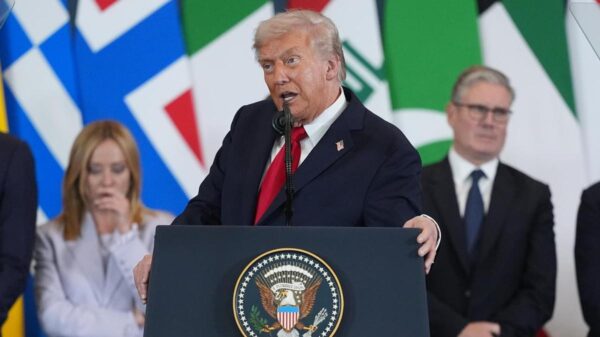
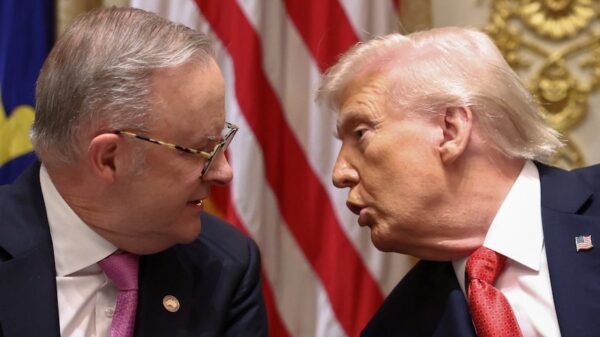

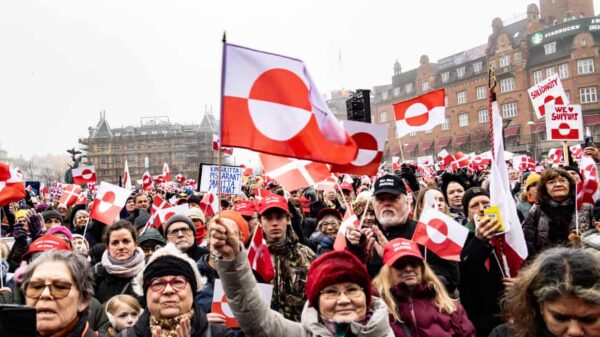



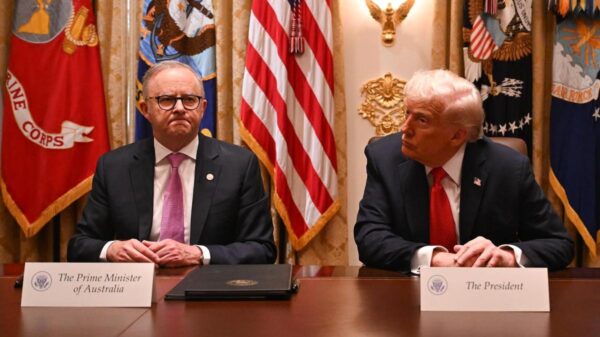








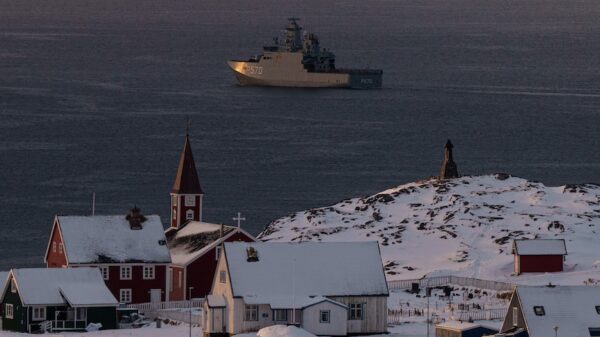


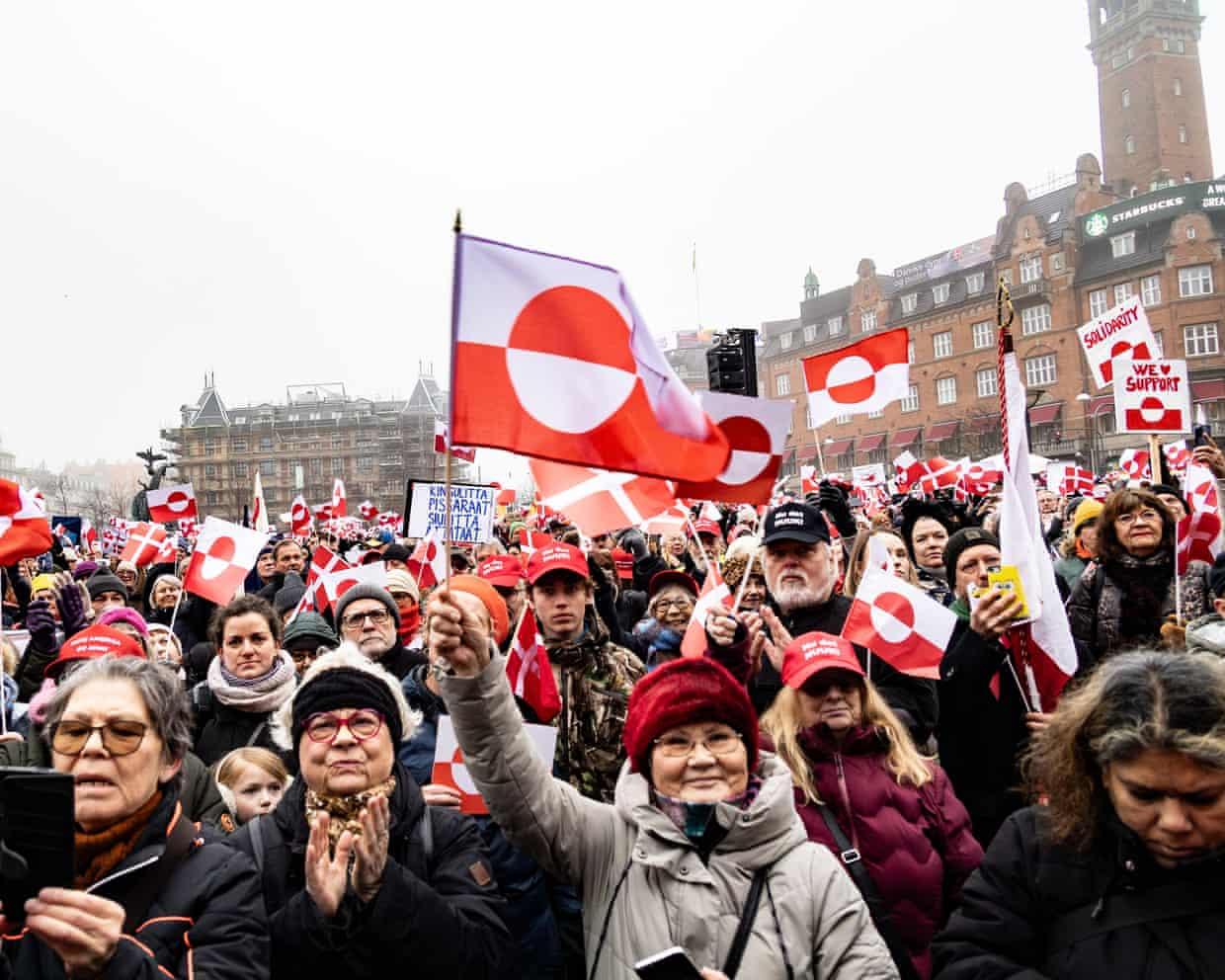
European leaders are currently engaged in crisis talks in response to threats made by Donald Trump, who has indicated he may impose tariffs as retaliation against NATO allies opposing US plans to annex Greenland. This situation has escalated tensions within the alliance, with the UK and other NATO members warning that such actions could lead to a “dangerous downward spiral.” EU diplomats are labeling Trump’s threats as “blackmail,” prompting discussions on how to navigate this challenging geopolitical landscape.
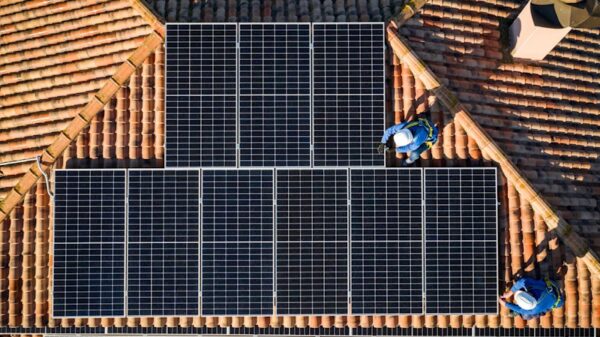
As these discussions unfold, climate activists are calling for scrutiny of Aetium, an Australian carbon credit scheme. The program, which claims to generate credits for solar panels and electric vehicles, has drawn criticism for potentially misleading consumers. Environmental groups have labeled the initiative as “junk,” raising concerns over its impact on the credibility of carbon offset schemes.
In Australia, koala populations present a paradoxical challenge. In northeastern regions, numbers are declining due to habitat loss and other factors, while in parts of southern Australia, populations are thriving to the point of overpopulation. This abundance has led to instances of defoliation and starvation as these beloved marsupials struggle to find enough food. Experts are examining potential solutions to this complex issue, emphasizing that effective conservation efforts require a nuanced approach.
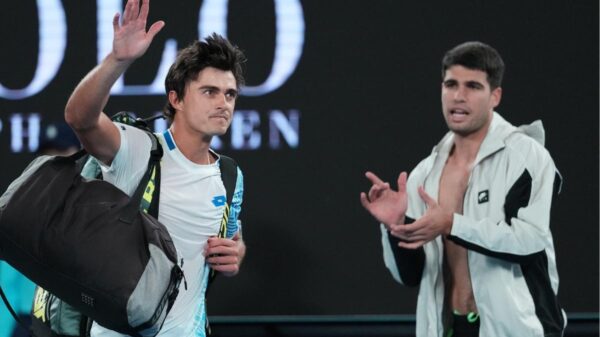
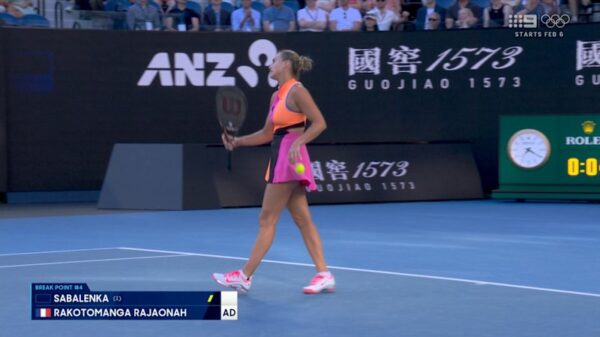
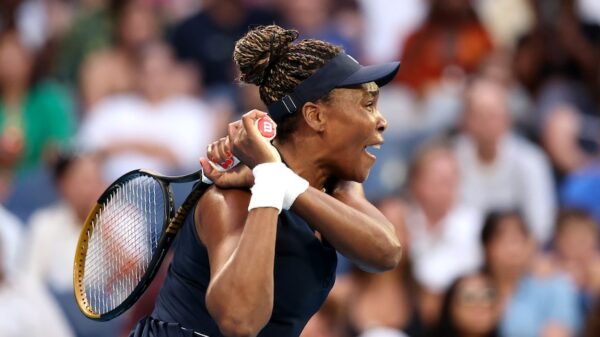
Amid these environmental discussions, Australia is also bracing for the ongoing Australian Open, where notable performances have been highlighted. Emma Raducanu has made a comeback after a slow start, while veteran player Venus Williams has set a record by competing at the age of 45. The tournament continues to capture the attention of sports enthusiasts worldwide.
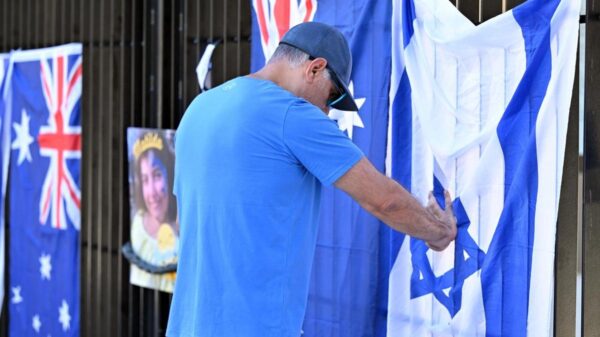
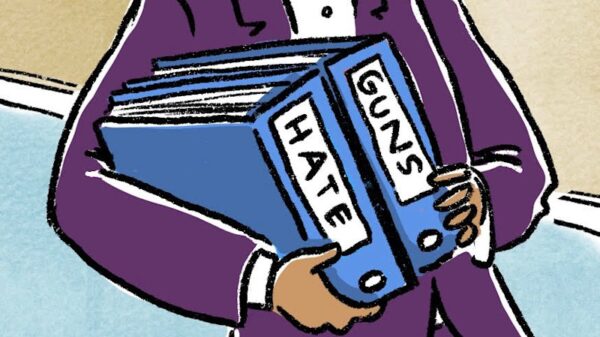
In other developments, Jewish leaders in Australia are expressing disappointment with both the Labor Party and the Coalition, urging them to take immediate action to combat antisemitic hatred. They are advocating for a last-minute compromise to secure new hate speech laws, emphasizing the need for effective protections for their community.
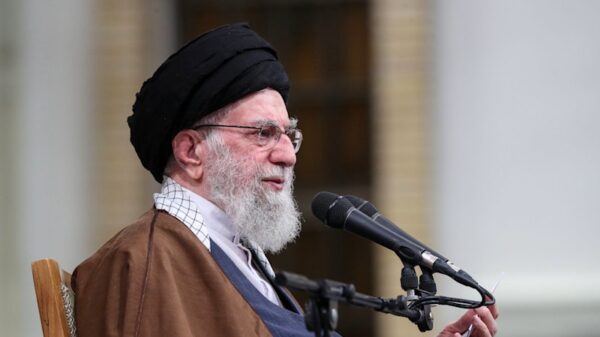
In the realm of international relations, Masoud Pezeshkian, Iran’s president, has issued a stark warning regarding any attack aimed at the country’s supreme leader, Ayatollah Ali Khamenei, declaring it would be considered a declaration of war. Meanwhile, in Gaza, members of Israel’s far-right coalition have rejected a US-backed plan for postwar governance, expressing dissatisfaction with the current political direction.
“We are fundamentally opposed to any plan that does not address our concerns,”
said a coalition member, highlighting the ongoing tensions in the region.
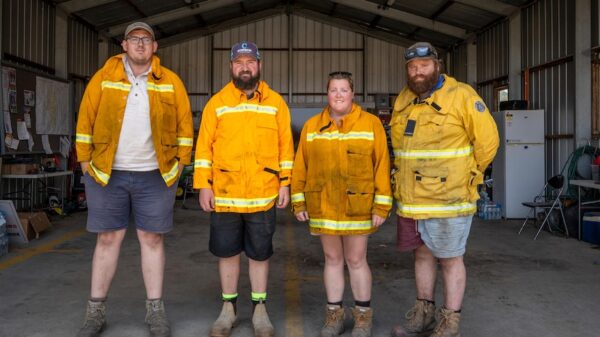
As Australia faces challenges both domestically and internationally, discussions about bushfire preparedness are ongoing. Authorities are advising residents in bushfire-prone areas to have practical evacuation plans in place. Personal stories from families who evacuated before the recent Harcourt blaze illustrate the importance of being prepared in the face of natural disasters.
Overall, as Europe navigates its response to US policies and Australia confronts its environmental and social challenges, the global landscape remains dynamic and interconnected. With events such as the Australian Open unfolding, the focus on both sports and serious issues reflects the multifaceted nature of current affairs, encouraging engagement and awareness among citizens worldwide.