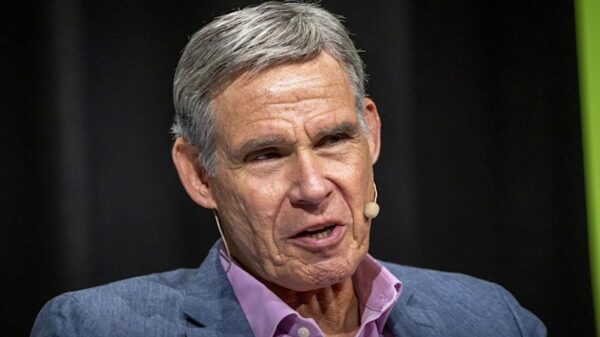





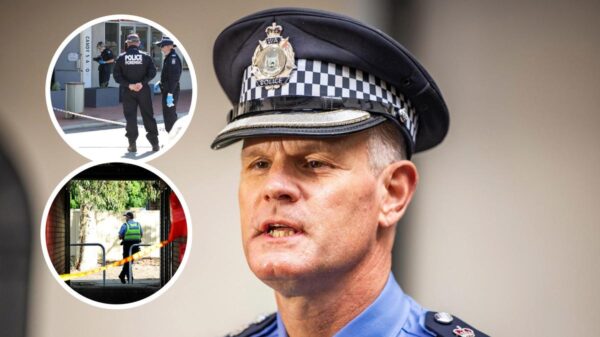









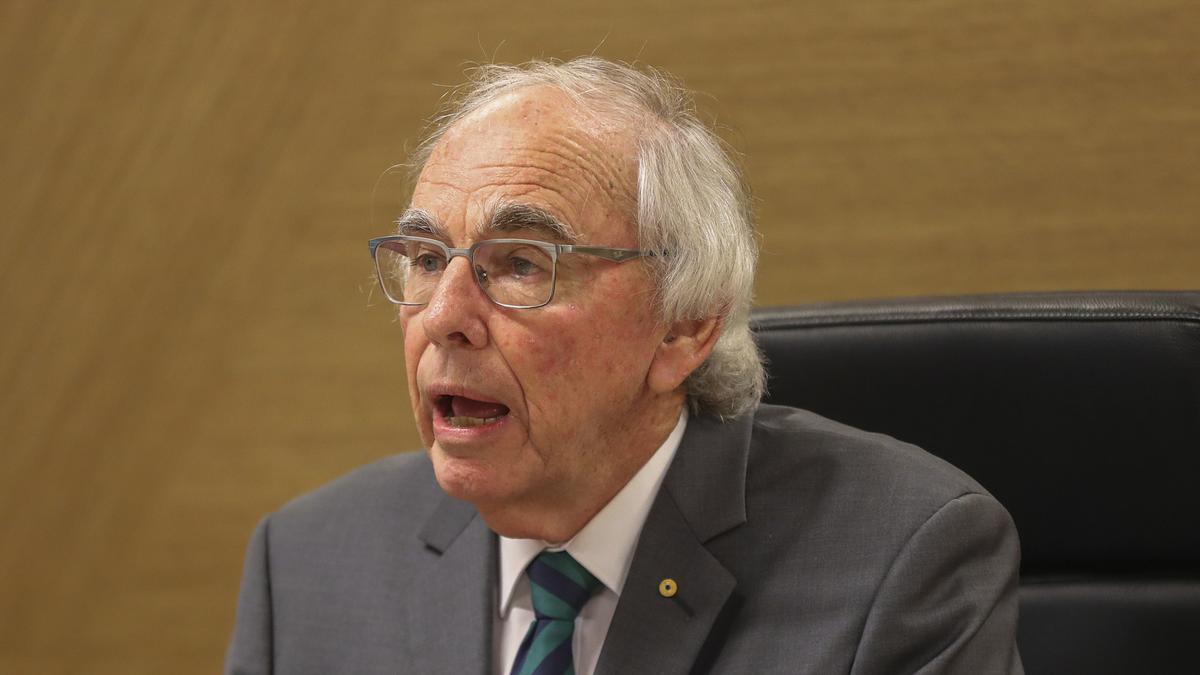
A former royal commissioner has asserted the urgent need for an independent investigation into the recent Bondi massacre, a tragic event that claimed 15 lives on December 14. Neville Owen, who previously led a royal commission into the collapse of HIH Insurance in 2003, has joined a growing movement advocating for a national royal commission to address rising anti-Semitism and the circumstances surrounding the attack.
In an opinion piece published in The West Australian, Owen emphasized that failing to launch a royal commission could significantly undermine public trust in Australian institutions. “I believe it is not drawing too long a bow to say that the reputation of Parliament itself is at risk,” he wrote. He stressed the importance of elected representatives taking decisive action on this critical issue to maintain their standing in the community.
Owen expressed deep concern over the impact of the tragedy and the factors leading up to it, stating that the events surrounding the attack necessitate comprehensive examination. He highlighted that “the utter tragedy of December 14… has been shattering and needs to be taken with a degree of seriousness that is almost off the spectrum.” He cautioned that without addressing these issues, the future of Australian society could be at stake.
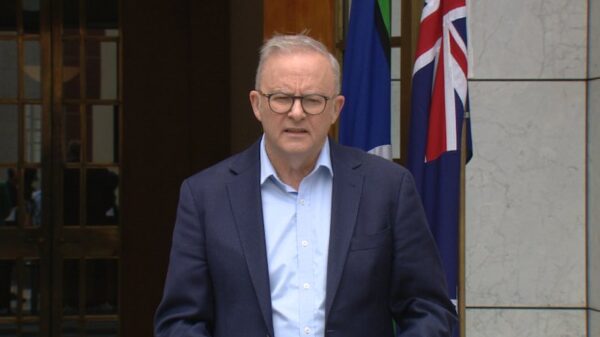
While the New South Wales Government plans to initiate a state-level royal commission into the attack, Prime Minister Anthony Albanese has resisted calls for a broader national inquiry. Albanese has tasked Dennis Richardson with investigating whether security agencies failed to identify warning signs prior to the shooting. Despite this effort, the Prime Minister’s reluctance to endorse a Commonwealth royal commission has drawn criticism from various quarters.
Owen, drawing from his extensive experience in conducting royal commissions, underscored the “compelling need” for a thorough public inquiry. He argued that such an inquiry is essential to explore the underlying issues that have contributed to the rise of anti-Semitism and radical violence in Australia. “Without such an inquiry, it will be difficult to engender healing and a return to trust following these most grievous events,” he noted.
Critics of the proposal for a national royal commission argue that it might prolong the process and serve as a platform for extremist views. Owen countered this notion, highlighting the royal commission’s authority to suppress irrelevant or offensive material. He described the arguments against a national inquiry as “unconvincing,” suggesting that political motivations may be influencing the decision-making process.
In a joint statement released on Friday, nine business groups representing various sectors, including banking, retail, and construction, emphasized the need for a national understanding of the massacre’s implications. Prominent business leaders, including James Packer and former Victorian Labor deputy premier James Merlino, were among over 130 signatories to a separate statement calling for a national response to the crisis.
Additionally, nearly 140 lawyers and former judges have jointly urged the government to consider a federal royal commission. This call for action has been echoed by notable figures in national security, including former Australian Federal Police Commissioner Mick Keelty and former Army Chief Peter Leahy, as well as families of the victims of the shooting.
As the debate over the need for a national royal commission continues, the community remains focused on understanding the factors that led to this devastating event and ensuring that justice is served. The responses from both political leaders and the public will play a crucial role in shaping the future discourse on anti-Semitism and public safety in Australia.