
































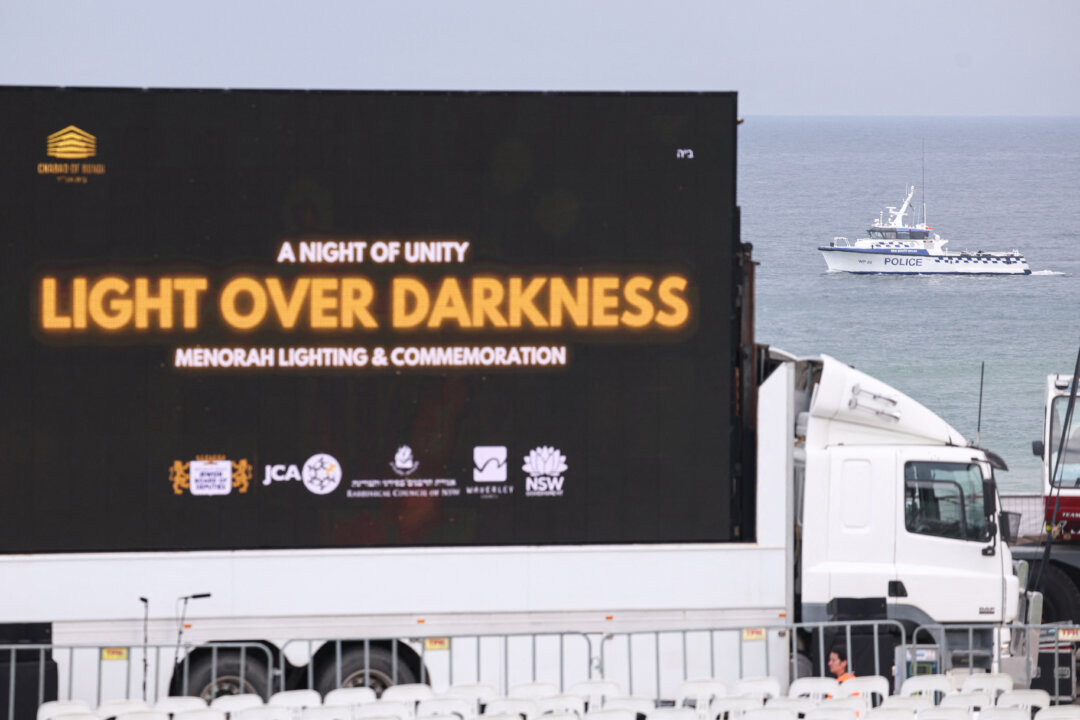
Close to 50 authors have withdrawn from the Adelaide Festival in protest of the decision to remove Palestinian Australian author Randa Abdel-Fattah from its lineup. This move follows a statement issued by festival organizers on January 8, 2024, which outlined their concerns regarding the cultural sensitivity of including Abdel-Fattah, particularly in light of a recent anti-Semitic terror attack at Bondi Beach that resulted in 15 fatalities and 40 injuries.
Organizers clarified that they did not associate Abdel-Fattah with the tragic events of December 14, 2023. However, they believed her participation would not be suitable for the Adelaide Writers’ Week segment of the festival. The decision has sparked significant backlash, leading to the withdrawal of numerous authors who view this action as an infringement on artistic expression and free speech.
Abdel-Fattah is known for her strong criticism of Israel and has previously called for the “end of Israel.” Her stance has attracted both support and condemnation. Following the October 7, 2023 Hamas attacks on Israel that left approximately 1,200 people dead, she posted a controversial image on social media depicting a Palestinian parachuter, which further escalated the debate surrounding her involvement in the festival.
The situation has ignited discussions about the role of cultural events in addressing complex geopolitical issues. Critics argue that withdrawing an author based on their political beliefs undermines the very essence of literary festivals, which are meant to foster dialogue and explore diverse perspectives.
The Adelaide Festival, known for its commitment to showcasing a wide array of voices, now faces a significant challenge as it navigates the fallout from this decision. The response from the literary community highlights the increasingly polarized nature of discussions surrounding Israel and Palestine, with many advocating for a platform where differing viewpoints can be expressed without fear of exclusion.
As the festival approaches, the implications of this controversy may extend beyond the immediate event, influencing how similar festivals curate their programs and engage with contentious topics. Authors and literary figures are now calling for a reevaluation of how cultural sensitivity is balanced with freedom of expression in artistic spaces.
The Adelaide Festival remains a prominent cultural event in Australia, and its handling of this situation will likely have repercussions for future festivals and the broader literary landscape. The ongoing discussions reflect a significant moment in the intersection of art, politics, and social responsibility, raising critical questions about the responsibilities of cultural institutions in today’s politically charged climate.