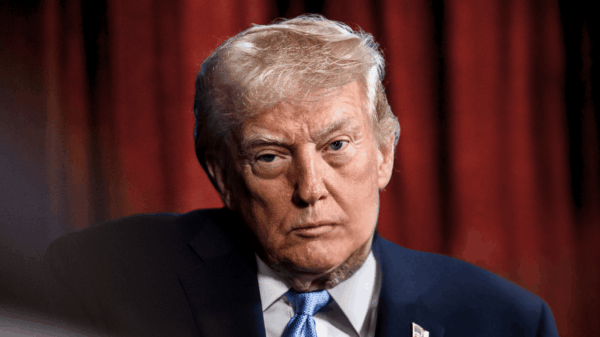


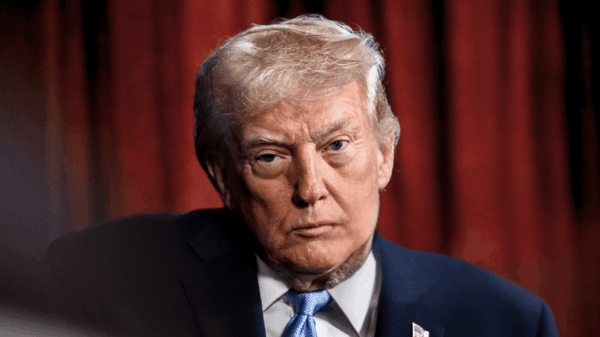



















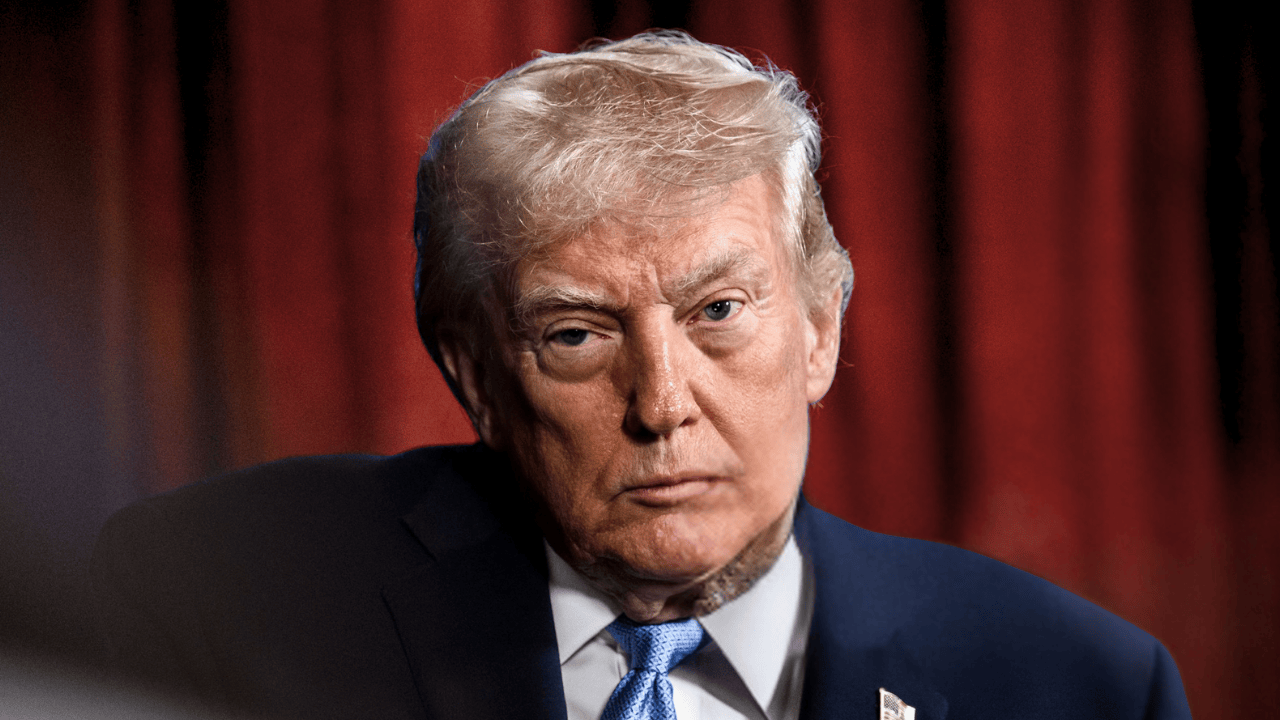
Former President Donald Trump addressed his controversial views on military shootings during a media conference, clarifying that while such actions are generally unacceptable, he sees exceptions based on geographic context. Specifically, he stated that military force against civilians in Minnesota is justified as a “show of strength,” whereas similar actions in Iran constitute a “war crime.”
Trump asserted, “Everybody knows that when something like this happens in Minnesota it’s called ‘law and order,’ whereas when it happens in Iran it’s a war crime.” His comments reflect a stark distinction he draws between domestic and foreign events, emphasizing what he perceives as differences in context and justification.
During the press event, Trump expanded on his viewpoint, suggesting that “location is everything” when it comes to the military’s use of force. He pointed out that the responses to protests in different regions should be understood through the lens of the prevailing political environments.
White House Responds to Clarification
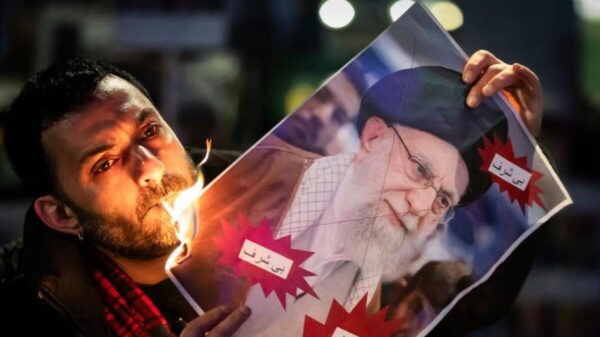
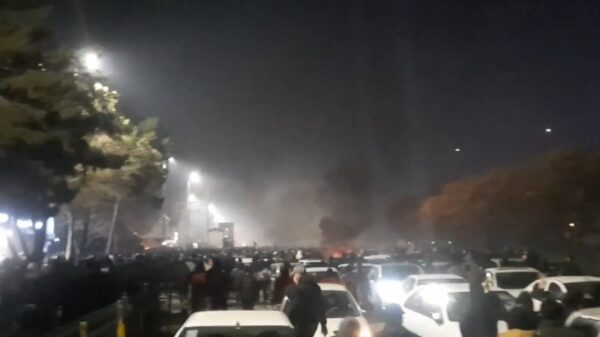
A spokesperson from the White House echoed Trump’s sentiments, reinforcing his position by explaining that the scenarios in Minnesota and Iran are fundamentally different. The spokesperson stated, “In Iran, they are protesting against the rule of a dictator, whereas in Minnesota they’re protesting against … well, okay, bad example, but it’s just different, okay?”
This clarification from the White House seeks to underline the administration’s stance on law enforcement and military actions, indicating a clear divide between domestic policy and international relations.
The remarks have ignited discussions around human rights and military engagement, particularly in the context of protests. Critics argue that such statements could normalize violence against civilians when framed as necessary for maintaining order. Trump’s comments have been met with both support and condemnation, reflecting the polarized views surrounding his presidency and ongoing political discourse.
As discussions about military engagement continue, Trump’s comments serve as a reminder of the complexities involved in interpreting the use of force, both at home and abroad. The contrasting perceptions of protests within the United States and those occurring in authoritarian regimes highlight ongoing debates about human rights and the responsibilities of government in managing civil unrest.