
































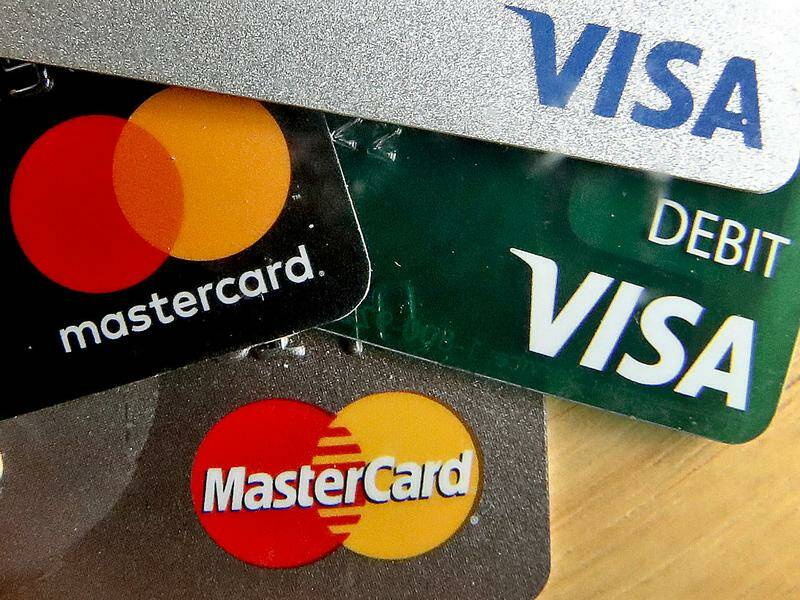
US President Donald Trump has announced a proposal to impose a one-year cap on credit card interest rates at 10 percent, starting on January 20, 2026. This initiative, shared on his social media platform, aims to protect consumers from high borrowing costs. However, details regarding the implementation of this plan and the means to enforce compliance among credit card companies remain unclear.
Trump’s announcement comes during his campaign for the 2024 presidential election, a pledge he made previously but which many analysts dismissed due to the necessity of congressional approval. Currently, lawmakers from both the Democratic and Republican parties have expressed concerns over the persistently high interest rates and have advocated for solutions to address the issue.
Legislative Challenges Ahead
While both parties acknowledge the problem, Trump’s proposal faces significant hurdles. The Republican Party holds a narrow majority in both the Senate and the House of Representatives, yet legislative efforts to cap credit card interest rates have not progressed to law. In his announcement, Trump did not endorse any specific bills that might support his proposal.
Opposition figures have criticized Trump for not fulfilling previous campaign promises. US Senator Elizabeth Warren, a member of the Senate Banking Committee, remarked, “Begging credit card companies to play nice is a joke. I said a year ago if Trump was serious, I’d work to pass a bill to cap rates.” Warren has also criticized Trump’s attempts to undermine the Consumer Financial Protection Bureau, which plays a crucial role in overseeing financial practices.
Industry Reactions
The White House did not immediately provide details on Trump’s proposal but acknowledged his call for a cap through social media. Responses from major banks and credit card issuers, including American Express, Capital One Financial Corp, JPMorgan, Citigroup, and Bank of America, were not forthcoming when approached for comments.
Banking advocacy groups have expressed their concerns regarding the proposed interest rate cap. In a joint statement, the Consumer Bankers Association, Bank Policy Institute, American Bankers Association, Financial Services Forum, and the Independent Community Bankers of America warned that a 10 percent interest rate cap could “reduce credit availability” and drive consumers towards less regulated and more expensive alternatives.
The discourse surrounding credit card interest rates highlights the ongoing debate about consumer protection and financial regulation in the United States. As Trump’s proposal develops, its feasibility and potential impact on the economy will remain under scrutiny from both political and financial sectors.