






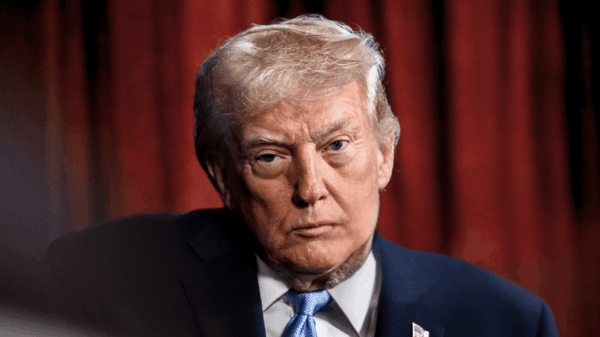


















Following the recent capture of Nicolás Maduro, former President Donald Trump has garnered support from his loyal followers for a proposed intervention in the fictional country of Vuvuzela. This support highlights a significant disconnect between domestic political views and global awareness among some of Trump’s most ardent backers.
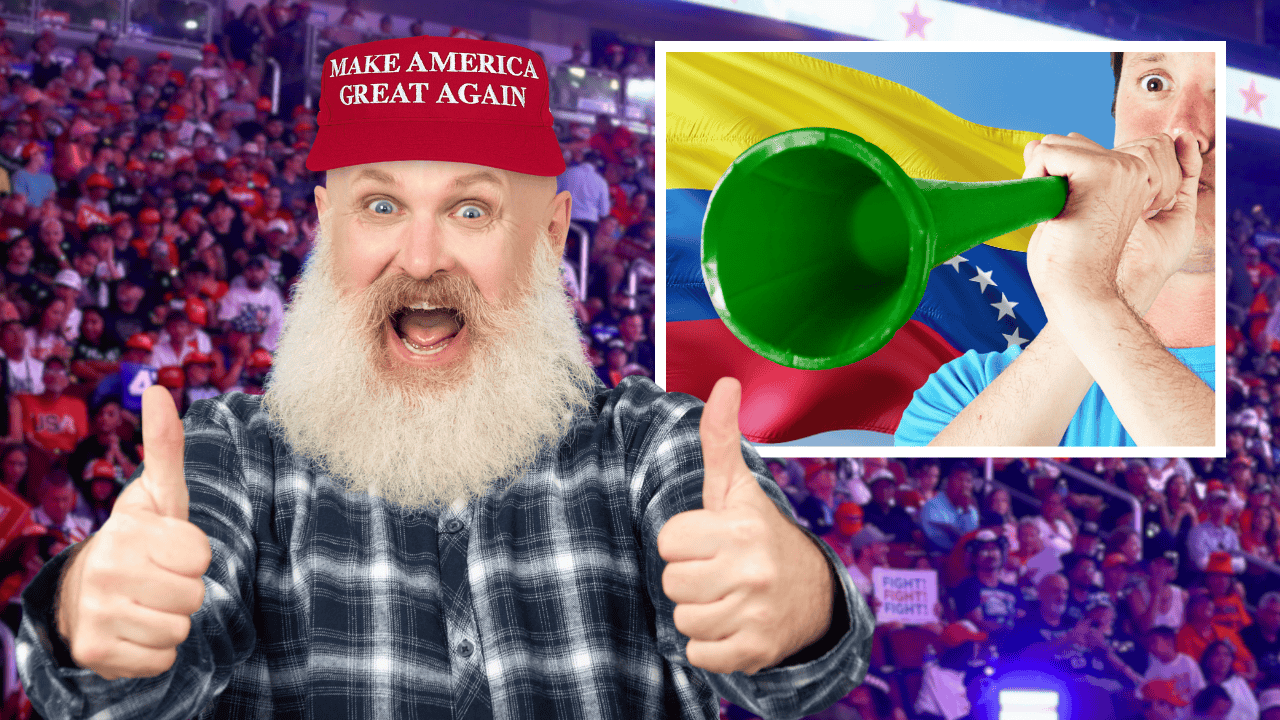
Among these supporters is Cleetus Drayton, who expressed his approval of Trump’s plans during a recent interview. Drayton stated, “I’m not racist or anything, I just think they’re loud and annoying and shouldn’t be allowed in America.” His comments reflect a narrow understanding of international dynamics, rooted more in personal experiences than geopolitical realities. He described a disturbing encounter at a soccer game, claiming that the presence of Vuvuzela fans created a disruptive atmosphere.
Drayton’s comments reveal a startling indifference to the complexities of foreign policy. When asked about the motivations behind a potential intervention, he remarked, “I don’t care if it’s about oil, drugs, or the Epstein Files; I support US intervention if it brings quiet to the region.” This perspective underscores a common sentiment among certain factions of Trump’s base: a willingness to overlook intricate political issues in favor of simplistic solutions.
The conversation took a broader turn when Drayton was questioned about Trump’s ambitions in other South American nations, such as Colombia and Ecuador. He responded, “Trump can do whatever he wants above or below the Ecuador, or in any of the four hemispheres for that matter.” This statement further illustrates the lack of geographical knowledge, raising questions about the implications of such statements in the context of U.S. foreign policy.
Drayton’s remarks are not isolated. They reflect a broader trend within the MAGA movement that often prioritizes nationalist sentiments over informed international relations. Trump’s supporters have shown overwhelming enthusiasm for any action he proposes, regardless of its potential consequences on global stability.
As discussions around Trump’s foreign policy continue to evolve, it is crucial to consider the voices of those who support these interventions. The reactions of individuals like Drayton provide insight into the mindset of a substantial portion of the electorate, highlighting the need for informed dialogue about U.S. engagement abroad.
In summary, the support for Trump’s proposed intervention in Vuvuzela by figures like Cleetus Drayton exposes a significant gap in understanding international affairs among some of his followers. This situation calls for a more nuanced conversation about the implications of U.S. foreign policy, especially in a world that is increasingly interconnected.