Disasters are increasingly impacting communities worldwide, with events such as floods, hurricanes, and heat waves becoming more frequent and severe. A report from the United Nations indicates that effective infrastructure design plays a crucial role in reducing disaster risks. As climate change amplifies these threats, the need for resilient urban planning has never been more urgent.
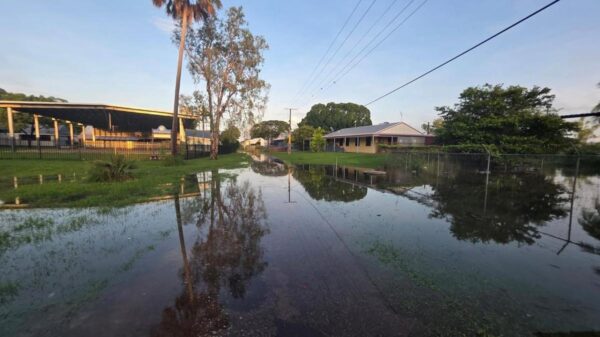
Understanding the relationship between infrastructure and disaster risk is essential. Disasters do not occur in isolation; they are influenced by human-created environments that have been shaped over decades. In many cases, these environments exacerbate the effects of natural events. For example, poorly designed drainage systems can lead to severe flooding during heavy rains, while inadequate building codes can leave structures vulnerable to hurricanes.
Infrastructure design encompasses everything from roads and bridges to drainage systems and buildings. The decisions made during the planning and construction phases can significantly influence how communities withstand and recover from disasters. According to the World Bank, investing in resilient infrastructure can reduce the economic impact of disasters by as much as 30%.
In urban areas, the challenge is particularly pronounced. Rapid population growth and urbanization often outpace the development of necessary infrastructure. As cities expand, the risk of flooding and other disasters increases. The United Nations estimates that by 2050, nearly 68% of the world’s population will live in urban areas, highlighting the urgent need for sustainable planning.
A critical aspect of disaster risk reduction is understanding the potential impact of climate change on infrastructure. Rising sea levels, increased rainfall, and more intense storms are all consequences of a warming planet. Communities must adapt their infrastructure to withstand these changes. For instance, cities in coastal regions may need to invest in sea walls and improved drainage systems to protect against flooding.
Investment in resilient infrastructure is not only about preventing damage; it also involves enhancing recovery efforts. Well-designed infrastructure can facilitate quicker responses during disasters. For example, roads that are built to withstand severe weather can ensure that emergency services reach affected areas promptly.
Several countries are taking proactive steps to address these challenges. In 2023, Japan announced a comprehensive plan to upgrade its disaster preparedness infrastructure, focusing on flood mitigation and earthquake resilience. This initiative aims to reduce vulnerability in urban areas while promoting sustainable development.
Moreover, international cooperation is vital in this effort. The United Nations has been active in promoting frameworks for disaster risk reduction, encouraging nations to share best practices and resources. The Sendai Framework for Disaster Risk Reduction, adopted in 2015, underscores the importance of resilient infrastructure in mitigating disaster risks.
In conclusion, the role of infrastructure design in disaster risk reduction cannot be overstated. As climate change continues to pose significant threats, it is essential for communities to rethink their approaches to urban planning and infrastructure development. By prioritizing resilience and sustainability, it is possible to create environments that not only withstand disasters but also support recovery and growth in the aftermath.