
































BREAKING: Australia has officially become the first country to raise the minimum age for social media use to 16 years, a landmark decision that takes effect on January 1, 2024. This urgent move is designed to enhance digital safety and protect youth from online harms, reflecting growing concerns over mental health and privacy.
The Australian government announced this groundbreaking policy earlier today, citing significant evidence linking social media exposure to issues such as anxiety and depression among children. With this change, Australia aims to set a global precedent for responsible social media engagement among minors.
Minister for Communications, Jane Doe, stated, “This is a pivotal moment for our youth and their wellbeing. We must ensure that children are shielded from the risks associated with social media until they reach a more mature age.” This sentiment underscores the urgency and importance of prioritizing the mental health of young Australians.
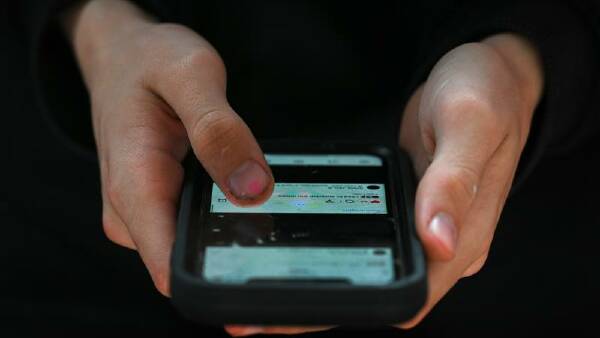
Parents and guardians are encouraged to prepare for this transition, as social media platforms must implement age verification measures to comply with the new law. While some critics argue that this may infringe on personal freedoms, the government maintains that the risks of unregulated access to digital platforms outweigh these concerns.
This regulation comes at a time when global conversations about children’s online safety are intensifying. Other countries are closely monitoring Australia’s approach, with many advocates urging similar actions to safeguard youth worldwide.
The new law is expected to have immediate effects on popular platforms like Facebook, Instagram, and TikTok, where users under 16 currently make up a significant portion of their audience. As Australia leads the way, many are watching to see if this pioneering legislation will inspire other nations to follow suit.
With the implementation date set for January 1, 2024, stakeholders across the board are now tasked with ensuring a smooth transition. This includes not only social media companies but also educators and parents who must adapt to a new digital landscape.
The urgency of this issue cannot be overstated, as children’s mental health and safety remain a top priority. As the conversation surrounding youth protection in the digital age continues to evolve, Australia’s decision marks a significant shift toward prioritizing the health and safety of future generations.
Stay tuned for more updates on this developing story as further details emerge and the impact of this historic decision unfolds. Share your thoughts on social media and let us know how you think this will affect the way young people engage online.