


































BREAKING: In a stunning shift in the electric vehicle (EV) market, China’s BYD has officially overtaken Tesla as the world’s leading electric vehicle manufacturer. This development comes as Tesla experiences a significant decline in sales for the second consecutive year, driven by fierce competition and the expiration of key US tax credits.
Latest reports confirm that BYD outsold Tesla for the first time on an annual basis, solidifying its position at the top of the EV market. Global EV sales surged by 28 percent in 2025, with BYD’s sales climbing to a record 4.6 million vehicles, an 8 percent increase from the previous year.
Tesla’s sales, in stark contrast, fell by approximately 8.6 percent, totaling 1.64 million vehicles for 2025, down from 1.79 million in 2024. The company is grappling with rising competition from manufacturers such as BYD, Volkswagen, and BMW, particularly in the lucrative European market.
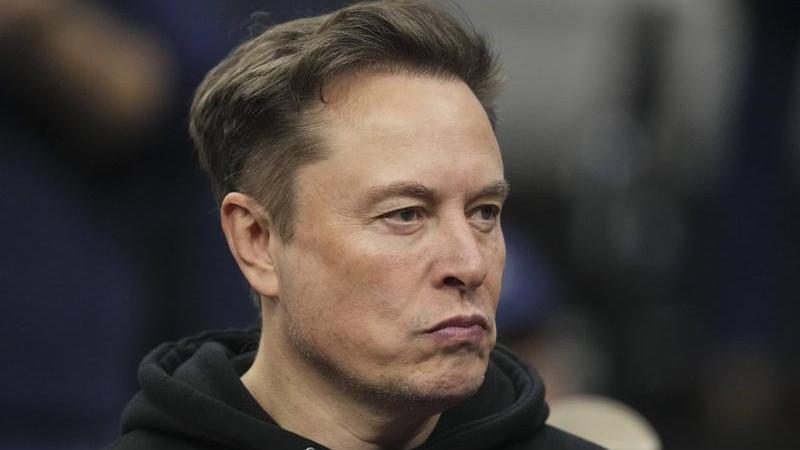
Investors are increasingly worried about Tesla’s future as CEO Elon Musk pivots the company toward developing robotaxis and humanoid robots. In the wake of disappointing sales figures, Tesla shares dipped more than 1 percent in early trading on Wall Street.
“Investors are so focused on the future with Tesla that they are ignoring delivery numbers,” said Dennis Dick, a trader at Triple D Trading, which holds Tesla shares.
In a bid to stimulate sales, Tesla launched lower-priced “Standard” versions of the Model Y and Model 3 in October, priced about $5,000 below previous base models. However, this strategy fell short of investor expectations for more aggressive pricing.
While Tesla’s fourth-quarter figures, which will be reported on January 28, are anticipated to show a delivery of 418,227 vehicles, this marks a 15.6 percent decrease from the 495,570 vehicles sold during the same period last year. Analysts had projected 434,487 vehicles, indicating an ongoing struggle to maintain momentum.
Amid these challenges, BYD’s expansion continues unabated. The company reported a remarkable 150 percent increase in sales outside of China, reaching 1 million vehicles in 2025. Looking ahead, BYD aims to sell as many as 1.6 million vehicles outside China in 2026.
Tesla’s decline in deliveries was not unexpected, with analysts noting that the market had already adjusted to the impact of the terminated US EV tax credits. Seth Goldstein, a senior equity research analyst at Morningstar, stated, “The decline in deliveries was not a major surprise.”
Despite the challenges, Tesla reported a record deployment of 14.2 GWh of energy storage products, reflecting its ongoing commitment to expand its clean energy portfolio.
As the EV market landscape continues to evolve, all eyes are on both BYD and Tesla. With growing competition and shifting consumer preferences, the stakes are higher than ever for these industry giants. Stay tuned for the latest updates as they develop.