

































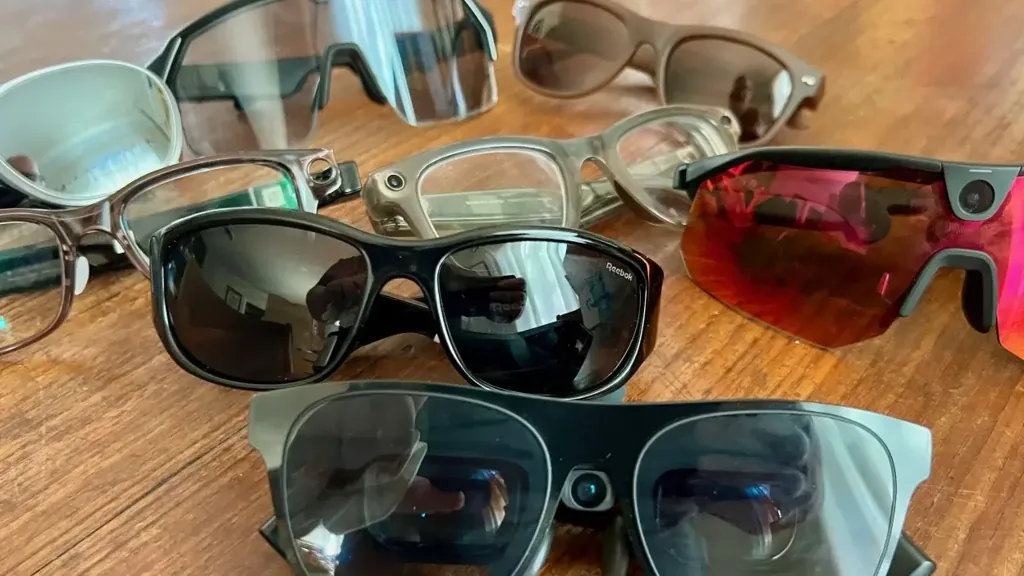
UPDATE: Major players in the tech industry are poised to revolutionize the smart glasses market in 2026, with sales projected to soar from 6 million units in 2025 to an eye-popping 20 million units this year. Analysts predict that 2026 will mark a pivotal shift, transforming smart glasses from niche tech for enthusiasts to essential gadgets for everyday consumers.
The buzz builds as the Consumer Electronics Show (CES) recently showcased groundbreaking innovations from both established companies and newcomers. Notable releases include the XReal 1S, which promises a colossal virtual display of up to 500 inches and is available now for $449. Designed for immersive experiences, these glasses feature advanced augmented reality capabilities fueled by an onboard X1 chip.
Also making waves is the Even Reality G2, featuring a sharp monochrome display and “contextual AI” for seamless interaction. Priced at $599, these stylish glasses ensure users can enjoy high-tech functionality without sacrificing fashion.
The RayNeo Air 4 Pro aims to elevate home entertainment with its dual Micro-OLEDs creating a virtual 200-inch screen for just $299, launching on January 25, 2026. Meanwhile, XGimi introduces its first line of smart glasses, the Memomind Air Display, which come equipped with lightweight frames and AI integration. These are expected to hit shelves around March 2026.
As we move further into the year, tech giants like Google and Snap are also ramping up their smart glasses offerings. Google, in collaboration with Samsung and Warby Parker, is set to release two new Android-powered models featuring AI capabilities. Meanwhile, Snap’s upcoming Spectacles will enhance augmented reality experiences, allowing users to engage with digital objects through natural interactions.
The industry is abuzz with speculation about Apple’s entry into the smart glasses market, following a lukewarm response to its VR gear. While details remain sparse, rumors suggest that Apple’s glasses could include innovative features like cameras and AI functionality, potentially launching later this year.
Despite the competitive landscape, Meta currently dominates the smart glasses market, holding approximately 73% of the share as of 2025. Their focus on making smart glasses feel both normal and futuristic has led to significant consumer acceptance.
The overarching goal for these advancements is clear: to create smart glasses that could ultimately replace smartphones. However, the technology is still evolving, and widespread public acceptance may take time. Nonetheless, significant strides are expected this year, with many more consumers likely to embrace smart glasses as an integral part of their lives.
Stay tuned for more updates as the smart glasses landscape continues to evolve dramatically throughout 2026. The future of wearable tech is closer than ever, and consumers are ready to join the revolution.