
































URGENT UPDATE: The Australian government’s recent ban on social media for users under 16 is drawing fierce criticism, particularly from individuals with rare medical conditions like hypoparathyroidism. Critics argue that this policy exacerbates feelings of isolation among vulnerable teens who rely on online platforms to connect with peers facing similar challenges.
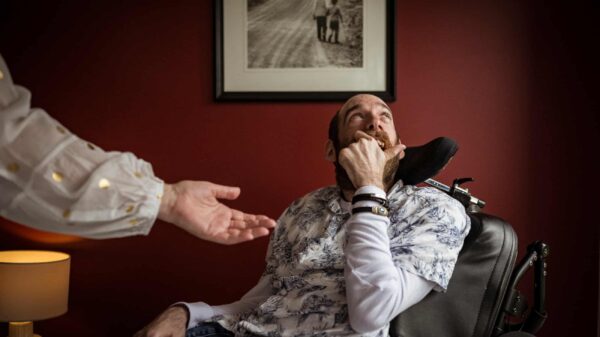
Tom Ravlic, a journalist and author, shared his personal journey with hypoparathyroidism, a rare disorder that affects calcium and phosphate levels in the body. This condition has left him feeling isolated for the past 54 years, suffering from misunderstandings and stigma. Ravlic emphasizes that social media has been a lifeline, allowing him to finally connect with others who understand his struggles.
In a passionate plea, Ravlic questions the government’s decision to restrict social media access for those under 16. “Why should they be prohibited from discovering others with the same disorder?” he asks. His experience highlights the critical role these platforms play in fostering supportive communities, especially for teenagers navigating complex health issues.
The under 16 social media ban was championed by Prime Minister Anthony Albanese, who argues it is necessary for the safety of young users. However, Ravlic argues that the law fails to consider the profound implications for those with rare disorders. He points out that for many, these platforms are the only way to find their “tribe” and share coping strategies.
Ravlic’s diagnosis was idiopathic, and he struggled for years to manage his condition without adequate support. He recalls the relief he felt upon connecting with others online who share his experience, a connection that has been crucial for his mental health. “It took me 43 years to make the first real connection,” he stated. This highlights the urgent need for teenagers with similar conditions to access online support, which the ban threatens to eliminate.
The emotional toll of isolation is significant. For teenagers already facing the challenges of adolescence, adding a rare medical condition can lead to feelings of depression and despair. Ravlic urges lawmakers to reconsider the impact of their decisions on the lives of these young people. He challenges parliamentarians to reflect on whether they adequately considered the implications of their actions on those who may be suffering in silence.
As the debate continues, it is clear that the government must balance safety with the social needs of young individuals. The voices of those like Ravlic are vital in advocating for a more compassionate approach that recognizes the value of online communities in supporting mental health and well-being.
WHAT’S NEXT: As discussions around the ban unfold, advocates for patients with rare disorders are calling for immediate legislative reviews. Pressure is mounting on lawmakers to ensure that the voices of affected individuals are heard and that their needs are prioritized. As this situation develops, the implications for youth mental health and support networks remain at the forefront of public concern.
Stay tuned for more updates on this pressing issue affecting Australia’s youth and their access to vital support networks.