
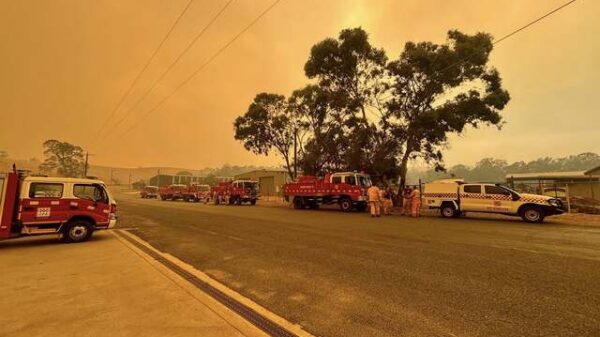
































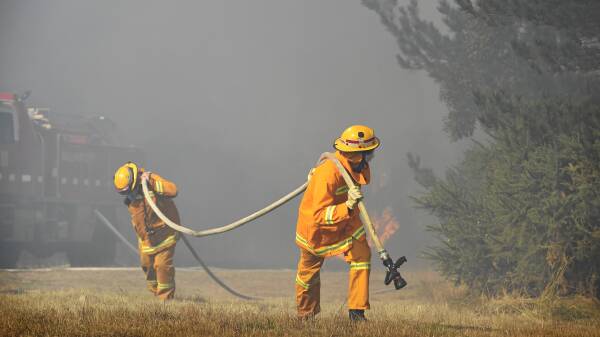
UPDATE: As Australia braces for an imminent natural disaster season, local communities are urged to act immediately for survival. With risks of bushfires, floods, and cyclones escalating, experts emphasize the critical importance of preparedness.
Adriana Keating from Monash University’s Sustainable Development Institute warns, “When a disaster strikes, you might need to make life-or-death decisions while you’re stressed and frightened.” The time to prepare is now, as emergency situations can quickly escalate.
Latest data shows that communities that collaborate are better equipped to handle disasters and recover faster. Dr. Keating, who also works with the community impact group Fire to Flourish, highlights the necessity of forming an emergency survival plan. This plan should include monitoring conditions, assembling an emergency kit, and ensuring safe evacuation routes.
“In an emergency, having practical items on hand can make all the difference,” Dr. Keating states. She advises keeping cash available, power banks, important documents, and essential medications ready. Moreover, she emphasizes familiarizing oneself with local warning systems and emergency apps before a crisis strikes.
Simple actions can significantly enhance safety. Dr. Keating suggests clearing gutters, relocating fuel away from homes, and making arrangements for pets. Engaging with local emergency plans from the volunteer fire brigade or community resilience groups tailored to specific regional risks can be lifesaving.
In a proactive move, aged care provider Carinity has invested $100,000 in a large-capacity diesel generator to bolster disaster resilience in south-east Queensland. This portable generator will ensure that residential aged care sites maintain power during extreme weather events, promoting resident safety and business continuity.
Tony Evans, Carinity Property Manager, stated, “It will ensure Carinity can maintain power during outages, protecting resident safety, business continuity, and compliance across all facilities.” This investment follows recent severe weather challenges, including ex-Tropical Cyclone Alfred, which prompted the need for enhanced safety measures.
Experts recommend community engagement as a vital component of disaster preparedness. Dr. Keating urges individuals to connect with neighbors and assist those who may be isolated or less familiar with technology. “Checking in beforehand to see if someone needs help preparing their property can be just as important,” she adds.
As Australia faces an uncertain weather future, the message is clear: preparation is key. Residents are encouraged to use available free tools to assess their risks based on their locations. The stakes are high, but communities that come together can weather any storm.
Next Steps: Authorities and community leaders will continue to monitor conditions, urging citizens to stay informed and proactive. With the natural disaster season underway, it’s crucial for everyone to act NOW to ensure safety for themselves and their loved ones.
For further updates, stay tuned and prepare your emergency plans to navigate this critical period. The time to act is NOW!