























BREAKING: A billionaire’s controversial remarks during a recent Sky News interview have ignited a fierce political backlash in Britain. The individual claimed that the UK has been “colonized by immigrants,” suggesting that the country’s high immigration rates are straining its social and economic systems.
This urgent statement has resonated widely, striking a nerve among British citizens increasingly concerned about immigration’s impact. The billionaire emphasized, “You can’t have an economy with 9 million people on benefits and huge levels of immigrants coming in.” This provocative assertion raises critical questions regarding socioeconomic pressures faced by the UK today.
The comments come at a time when many in Britain feel silenced over national discourse, as discussions around immigration have become contentious. Concerns are amplified by statistics revealing that the White British population is underrepresented among Universal Credit claimants, while Indian and Pakistani communities show higher representation.
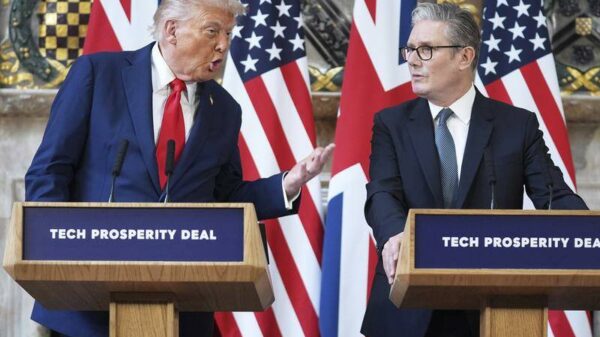
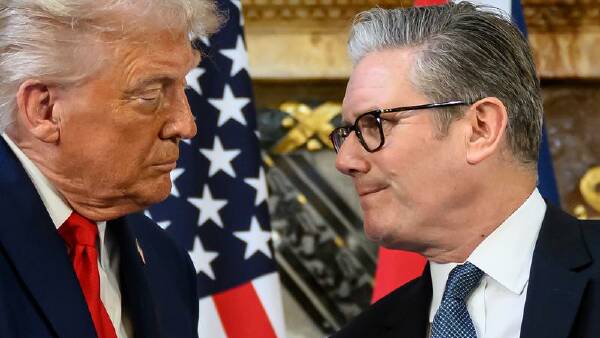
Political leaders, including Labour’s Keir Starmer, have reacted with alarm, labeling the billionaire’s comments as dangerous rhetoric. Starmer recently described Britain as an “island of strangers,” reflecting his own unease with the shifting demographic landscape. Critics argue that such remarks from prominent figures highlight the growing divide between the political elite and the working class.
The implications of this situation extend beyond rhetoric. Over the past 50-70 years, UK industrial production has seen a marked decline, with manufacturing’s share of GDP plummeting from around 30 percent in 1970 to less than 10 percent today. This shift has transformed the economy towards services and technology, leading to increased dependency on immigration to fill labor gaps.
In a stark warning, the billionaire’s comments suggest that the liberal policies of recent decades could be reaching their breaking point. As historical parallels are drawn to the collapse of Rome, critics claim that the current government has failed to secure its borders and uphold the principles of integrity and ethical governance.
Adding to the urgency, there are reports of foreign influence creeping into local politics, with foreign mayors now being appointed across towns in Ireland, a situation reminiscent of the growing concerns in the UK. The shift in governance raises alarms about national identity and the future of local communities.
As more public figures, including Brian Patrick Bolger, a noted political philosopher, express their concerns, the discourse around immigration and national integrity continues to evolve. Bolger’s new book, “Nowhere Fast: Democracy and Identity in the Twenty-First Century,” explores these pressing issues further, urging readers to consider the implications of unchecked immigration on societal cohesion.
With the political landscape shifting rapidly, all eyes are on the upcoming discussions in Parliament as leaders grapple with the fallout from these statements. The urgency of the situation cannot be overstated; as debates over immigration policies heat up, the future of national identity and economic stability hangs in the balance.
Stay tuned for more updates as this story develops and official responses unfold.