































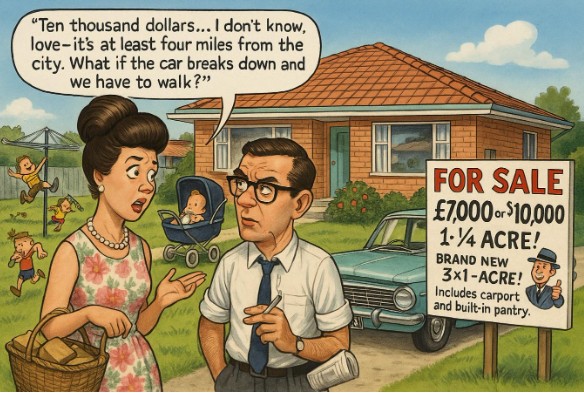
UPDATE: The housing crisis in Perth has reached alarming levels, with house prices soaring from approximately $200,000 to nearly $900,000 over the past 25 years. As wages have barely doubled, young Australians are grappling with an overwhelming challenge of home ownership, raising urgent concerns about their future.
Recent analyses reveal a stark reality: unless young individuals attain high-paying jobs or receive substantial financial support from parents, owning a home may remain an unattainable dream. The current economic landscape forces many to abandon aspirations of entrepreneurship and risk-taking, opting instead for stable bureaucratic jobs. The crushing burden of a first mortgage averaging $700,000 with annual repayments of $50,000 leaves little room for financial flexibility.
Michael Green, a former Wall Street economist, has illuminated the disparity between perceived and actual living costs in his impactful essays. His research indicates that the outdated poverty measures employed by governments do not accurately reflect the economic realities facing modern households. According to Green’s findings, the effective poverty threshold for a family of four should be around $140,000 in the U.S., translating to roughly $200,000 in Australian terms—far above the current benchmarks that fail to account for skyrocketing housing, healthcare, and childcare costs.
The situation in Perth is dire. With average rents exceeding $700 a week, families are left with little more than survival funds after housing costs. For those attempting to purchase homes in outer suburbs like Byford or Ellenbrook, median prices hover around $700,000, leading to crippling mortgage obligations. The soaring costs of childcare, transportation, and everyday living create a financial landscape that has spiraled out of control.
The traditional narrative of rising house prices equating to increased wealth is being challenged. Homeowners from previous generations may appear wealthy on paper, but the reality is stark: selling a home merely facilitates buying another at the same inflated price. With rising estate costs and significant health care expenses, many families find themselves trapped in a cycle of debt and economic vulnerability.
Green’s insights highlight a critical generational divide. Today’s young families face escalating costs across the board, from housing to childcare, while previous generations benefitted from low participation costs and affordable living. The classic property ladder has transformed into a trap; those who attempt to advance are often penalized by rising childcare and living expenses, reducing their disposable income.
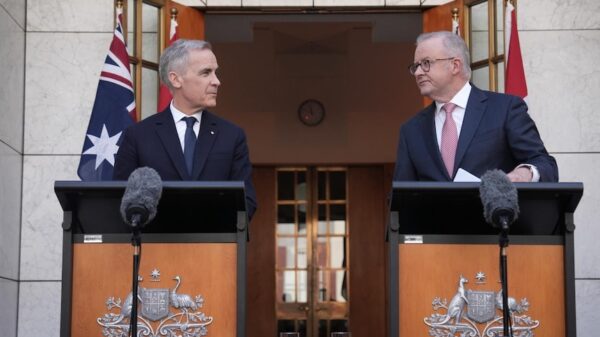
Amid this growing crisis, the political class remains largely silent. Acknowledging the plight of a generation locked out of home ownership would require confronting uncomfortable truths. Instead, the government continues to inflate the housing market, mistakenly celebrating rising prices as a sign of national success.
As the housing crisis deepens, urgent policy changes are imperative. Experts suggest reallocating resources towards regional housing development and allowing for more affordable construction options. Rather than subsidizing rent and promoting expensive “affordable housing” projects, governments should facilitate genuine housing solutions that empower families.
This urgent situation in Perth reflects a broader trend across Australia, where young people face the grim reality of an unlivable housing market. Without significant changes, the dream of home ownership may fade for countless individuals and families, leaving them with a future filled with uncertainty and financial struggle.
As the crisis continues to evolve, it is crucial for policymakers to address the underlying issues and create pathways for affordable home ownership. The time for action is now, as the next generation stands on the brink of losing the great Australian dream forever.