





























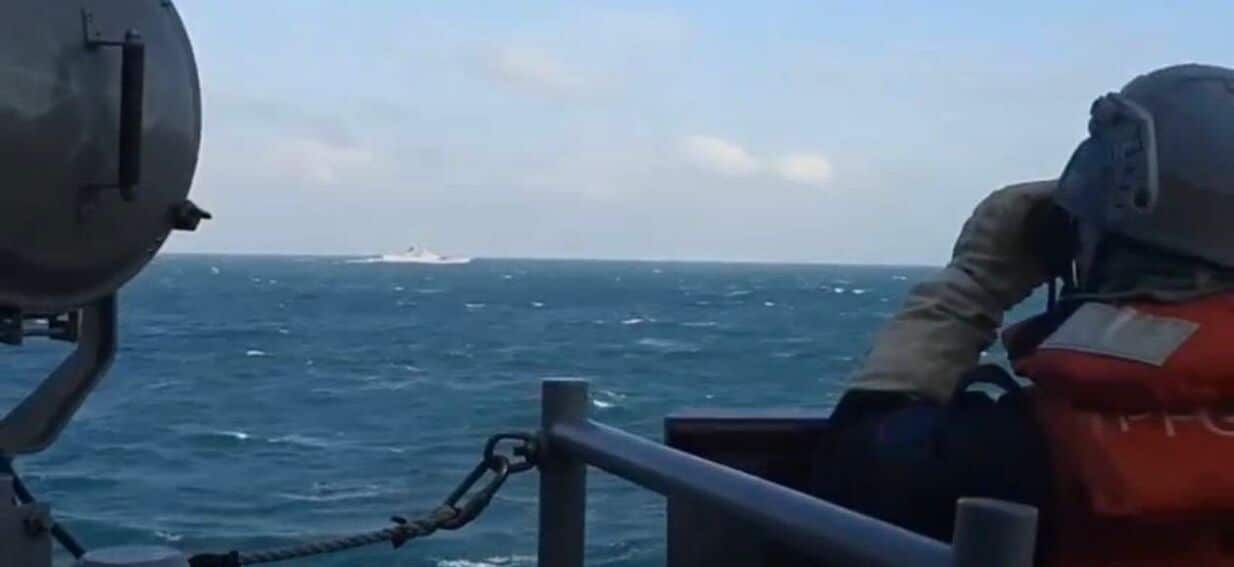
Recent military exercises conducted by China have drawn international attention, marking some of the largest drills near Taiwan to date. These operations, which took place in early August 2023, involved the People’s Liberation Army (PLA) and included a range of naval and aerial maneuvers designed to showcase China’s military capabilities.
The drills occurred in the East China Sea and South China Sea, regions that are vital for both trade and military strategy. According to the Chinese Ministry of Defense, these exercises aimed to enhance the PLA’s combat readiness and assert China’s sovereignty over disputed territories. The drills included live-fire exercises, air patrols, and naval formations, reflecting an aggressive posture in a region already marked by tensions.
The timing of these exercises coincided with increasing diplomatic strains between Beijing and Washington. The United States has been a vocal supporter of Taiwan, which China views as a breakaway province. In response to the military drills, the U.S. reaffirmed its commitment to Taiwan’s defense, raising concerns about potential escalations in the region.
These military actions are not without precedent. China has conducted similar drills in the past, but the scale and intensity of the recent exercises signal a shift in the PLA’s operational tempo. Experts believe that the drills are meant to send a clear message to Taiwan and its allies regarding China’s determination to maintain control over its claims in the area.
The international community is closely monitoring the situation, as the potential for conflict in this strategically significant region remains high. Analysts suggest that these exercises may serve multiple purposes for China, including testing new military technologies and gauging the responses of regional powers. The implications for regional security could be profound, particularly if such drills become a regular occurrence.
As tensions continue to rise, the focus will remain on the ongoing military activities in the Taiwan Strait and the broader implications for peace and stability in the Asia-Pacific region. The situation underscores the delicate balance that must be navigated by both China and Taiwan, as well as the impact of external actors like the United States in influencing the dynamics of regional security.