





























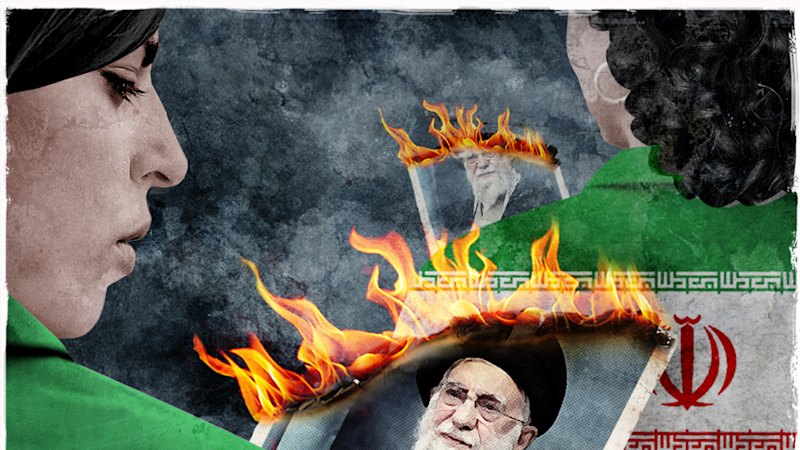
Calls for change in Iran’s political landscape are intensifying as analysts emphasize that defections from the regime’s upper echelons are critical for a successful revolutionary movement. The current environment reveals growing discontent among the populace, but achieving significant political transformation hinges on key figures within the government breaking ranks.
The political climate in Iran has become increasingly tense, particularly following widespread protests advocating for democratic reforms and human rights. These demonstrations reflect a profound dissatisfaction with the ruling authorities. Yet, for a revolutionary movement to gain traction, it is essential that influential individuals within the regime defect and publicly support the call for change.
Analysts argue that external support from Western countries could facilitate these defections. By applying diplomatic pressure and offering incentives, the international community may encourage members of the regime to reconsider their loyalty. Tehran, which has faced mounting criticism for its human rights violations, could see a shift if key political figures decide to support the movement for reform.
The potential for change within Iran is significant, given the current socio-political dynamics. The Iranian public has demonstrated resilience and determination in pushing for their rights. However, without the involvement of those at the highest levels of power, the movement may struggle to gain the momentum necessary to effect change. Analysts note that high-profile defections could lead to a domino effect, inspiring others within the regime to follow suit.
International observers have pointed out that the Iranian regime has historically relied on a tight-knit circle of loyalty among its leaders. Any sign of dissent within this circle could herald a larger crisis for the government. The role of the international community, particularly Western nations, is vital in creating an environment where defection is seen as a viable option.
Support from Western nations could take various forms, including diplomatic engagement, economic incentives, or public acknowledgment of defectors’ contributions to the movement for change. International pressure can also manifest through targeted sanctions aimed at regime officials, which may incentivize them to distance themselves from the government.
As the situation evolves, the international community’s responsibility to support Iranian citizens in their quest for justice becomes increasingly clear. The potential for a transformative moment hinges not just on the public’s resolve but also on the willingness of those in power to confront the reality of their governance.
In conclusion, while the conditions for a successful revolution in Iran are present, the crucial element remains the defection of key political figures within the regime. The path forward may be complicated, but with the right support from Western countries, the movement for change could gain the necessary strength to challenge the status quo. The eyes of the world remain focused on Iran as its people continue to advocate for a future defined by freedom and dignity.