









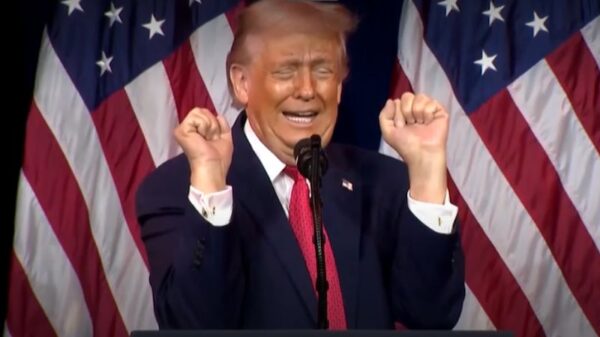

















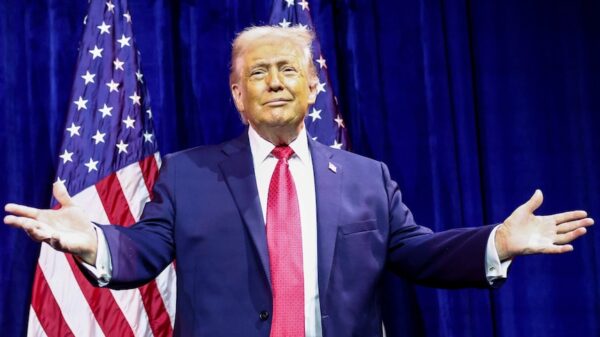

The United States is set to formally withdraw its support from the Pacific Regional Environment Programme (SPREP), a crucial environmental organization based in Samoa. This decision was announced after former President Donald Trump identified SPREP as one of 66 entities the US would leave, citing they “operate contrary to US national interests.”
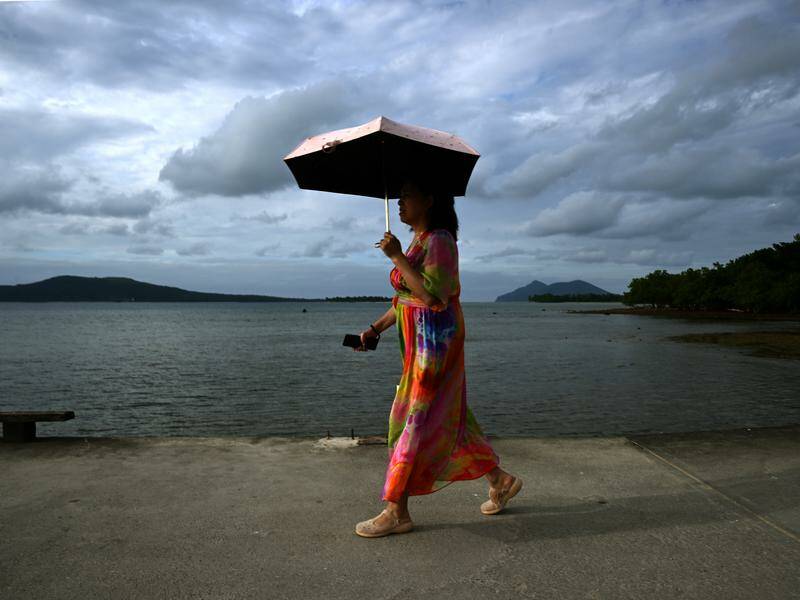
On Thursday, the US government confirmed its exit from numerous international and United Nations organizations, including the essential climate treaty aimed at addressing global warming. SPREP has played a pivotal role in supporting low-lying island nations by raising awareness about the existential threat posed by rising sea levels due to climate change.
With over 150 staff members located in countries such as Fiji, the Solomon Islands, Vanuatu, and the Republic of the Marshall Islands, SPREP runs vital programs designed to reduce pollution and improve disaster response mechanisms. Its efforts include enhancing warning systems for severe weather events and planning for oil spill emergencies.
Sefanaia Nawadra, the Director-General of SPREP, emphasized that the US has historically contributed both funding and technical expertise to the organization. Despite the withdrawal, he expressed optimism, stating that other partner nations are expected to continue supporting SPREP’s initiatives. “There is a formal process that the US will need to follow to withdraw its membership of SPREP. They are a valued member of SPREP until that formal withdrawal process is completed,” Nawadra noted in a statement to Reuters.
The consequences of the withdrawal will be assessed as part of the ongoing process, which SPREP is prepared to navigate. According to SPREP’s annual report, the organization’s budget is largely funded by five donor countries: Australia, Britain, New Zealand, France, and the United States. Additionally, China has contributed approximately $200,000 annually for several years.
A government minister from the Pacific Islands, who chose to remain anonymous due to the sensitive nature of the situation, expressed concern that the US’s decision to withdraw from SPREP could diminish its influence in the region, particularly as China expands its diplomatic ties.
In a related development, several Pacific Island nations, including Fiji, Vanuatu, Tuvalu, and Tonga, will face new entry restrictions into the United States. Starting from January 21, 2024, nationals from these countries will be required to pay a costly visa bond to enter the US. This announcement follows earlier restrictions placed on Tonga, which were announced in December and set to take effect on January 1, 2024.
US Deputy Secretary of State Christopher Landau addressed migration issues during a recent phone call with Tonga’s Prime Minister Lord Fakafanua, sharing insights on US policy direction within the region. The US embassy in Suva has directed further inquiries regarding the withdrawal and related matters to the State Department, which has yet to provide a public response.
As the situation unfolds, the implications of the US departure from SPREP and its broader relations with Pacific nations will likely become clearer in the coming months.