































Inflation in the United States showed a slight cooling last month, as prices for essential items such as gasoline and used cars declined. According to the Labor Department, consumer prices rose by 0.3 percent in December 2023 compared to the previous month, maintaining the same rate observed in November. When excluding the more volatile categories of food and energy, core prices increased by 0.2 percent, consistent with the previous month’s figures. Such trends suggest a gradual approach towards the Federal Reserve’s target inflation rate of 2 percent.
Despite the recent easing in inflation rates, many American households continue to feel the financial strain from significant price hikes in everyday necessities, including groceries, rent, and healthcare. Since the onset of the pandemic, food prices have surged approximately 25 percent, transforming affordability concerns into pressing political issues.
This latest report serves as the first comprehensive measure of inflation since September 2023. A government shutdown lasting six weeks in the fall disrupted the collection of vital price data, resulting in the absence of an official report for October. The figures for November were influenced by the timing of data collection, which occurred post-reopening, coinciding with holiday discounts that may have skewed the inflation readings lower. Economists pointed out that rental prices were not fully captured in October, leading to the use of placeholder estimates in November, further complicating the accuracy of the data.
The December report indicated that consumer prices rose by 2.7 percent compared to the same month in the previous year, unchanged from November. Core prices also saw an annual increase of 2.6 percent, remaining stable over the same period. While inflation has decreased significantly from its peak of 9.1 percent in June 2022, it has hovered stubbornly around 3 percent since late 2023.
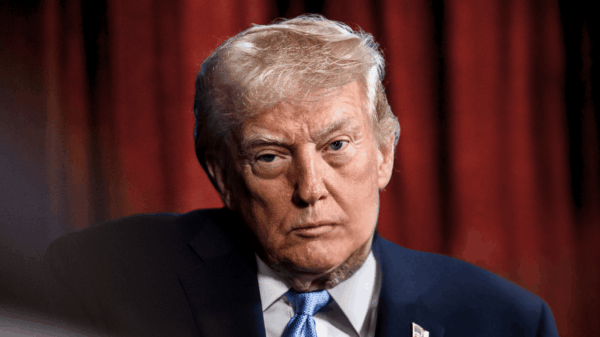
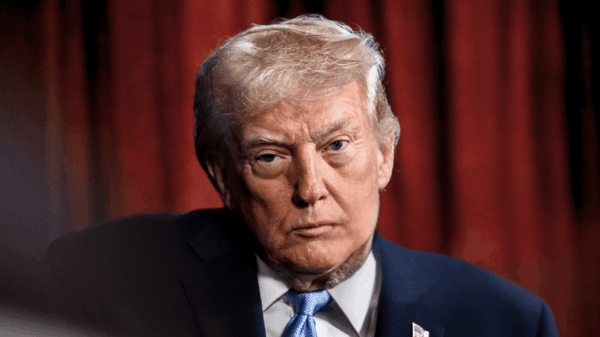
The rising costs of essentials like groceries, which are now about 25 percent higher than pre-pandemic levels, have contributed to widespread dissatisfaction with the economy. Both current President Joe Biden and former President Donald Trump have made attempts to address these economic concerns, albeit with limited success.
The Federal Reserve is currently navigating a complex landscape, aiming to manage inflation through elevated borrowing costs while also considering the need to support employment levels. As inflation persists above its target, the Fed is likely to be cautious regarding further interest rate reductions. In December 2023, the central bank lowered its key interest rate by a quarter-point, but during a press conference, Chair Jerome Powell signaled that the Fed would evaluate future cuts based on economic developments.
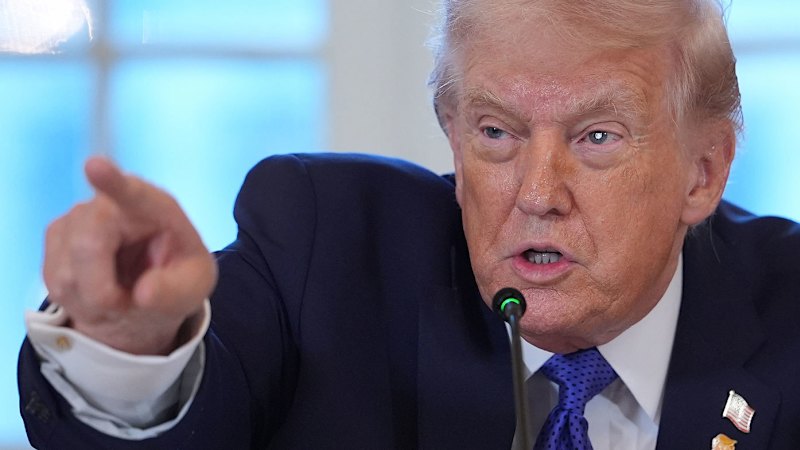
Within the Federal Reserve’s interest-rate setting committee, divisions have emerged over whether to continue cutting rates or to maintain the current level of approximately 3.6 percent to combat inflation. Trump has publicly criticized the Fed for not implementing sharper rate reductions, arguing that such actions would alleviate mortgage rates and reduce government borrowing costs.
In a development that raises concerns about the Fed’s independence, the Department of Justice served subpoenas to the central bank related to Powell’s testimony before Congress regarding a $2.5 billion renovation of two Fed office buildings. Trump administration officials have alleged inconsistencies in Powell’s statements about the renovation plans. In response, Powell characterized these allegations as “pretexts” for exerting increased political control over the Fed.
He asserted, “The threat of criminal charges is a consequence of the Federal Reserve setting interest rates based on our best assessment of what will serve the public, rather than following the preferences of the President.” Powell emphasized the importance of allowing monetary policy to be guided by economic conditions rather than political pressures.
As the situation evolves, the challenge for the Federal Reserve remains clear: balancing the need to rein in inflation while fostering economic growth and stability in an increasingly complex landscape.