



































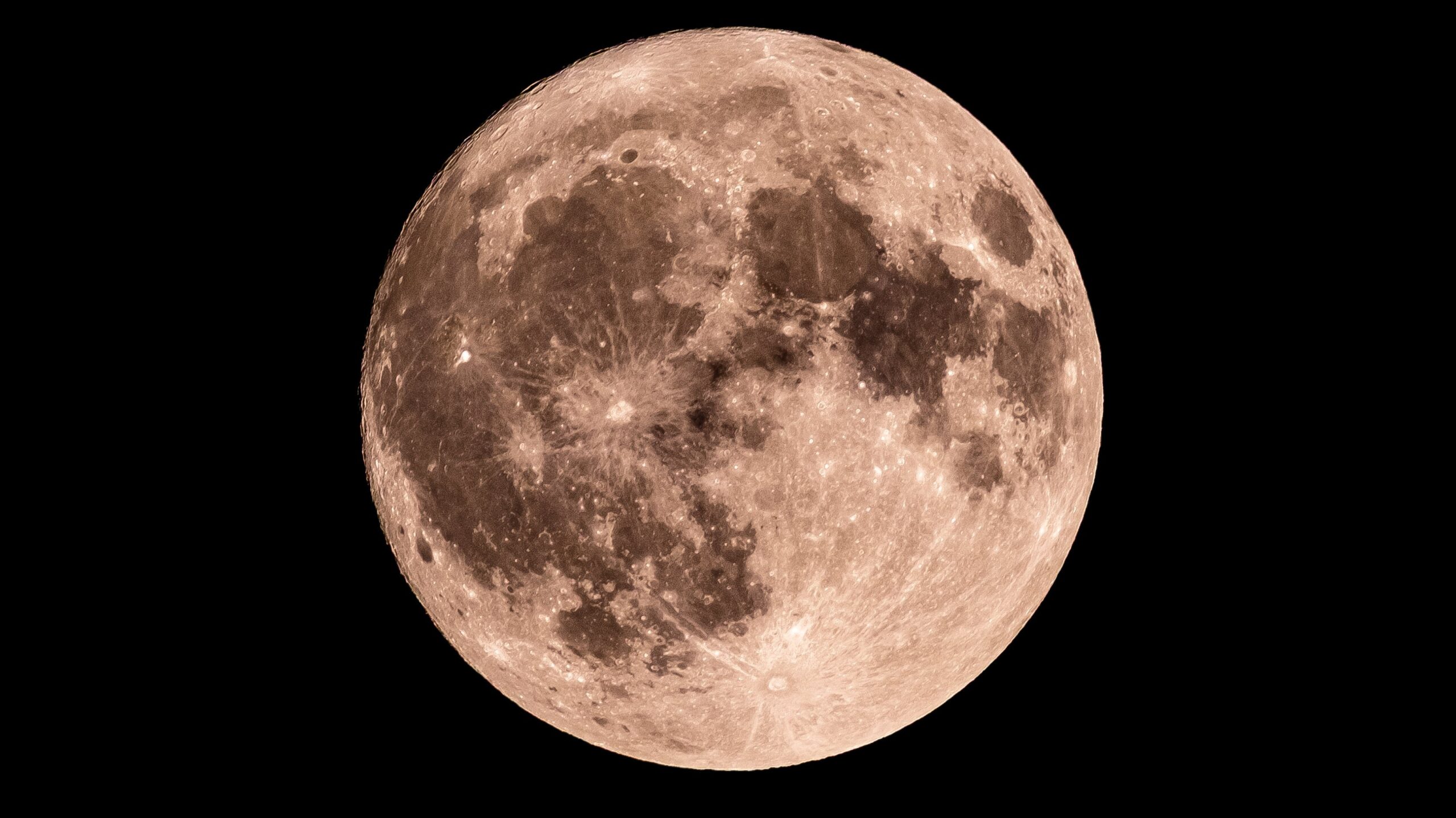
The night sky will showcase a spectacular view as the **Full Moon** appears, marking the fourth consecutive supermoon. This January’s full moon is traditionally called the **Wolf Moon**, a name that has its roots in historical practices of naming lunar phases. On this evening, January 3, 2024, observers will see the moon completely illuminated, with **100% visibility** reported by The Sky Live.
Understanding the Moon Phases
The moon undergoes a continuous cycle, known as the **lunar cycle**, which takes approximately **29.5 days** to complete. During this time, the moon transitions through various phases as it orbits the Earth. Each phase changes how much sunlight reflects off its surface, resulting in the moon appearing fully lit, partially illuminated, or completely dark at various points.
NASA outlines the eight primary phases of the lunar cycle:
– **New Moon:** The moon is positioned between the Earth and the sun, rendering its surface invisible.
– **Waxing Crescent:** A small sliver of light appears on the right side in the Northern Hemisphere.
– **First Quarter:** Half of the moon is illuminated on the right side, creating a half-moon appearance.
– **Waxing Gibbous:** More than half of the moon is lit but not entirely full.
– **Full Moon:** The entire face of the moon is fully illuminated.
– **Waning Gibbous:** The moon begins to lose light from the right side.
– **Third Quarter (or Last Quarter):** The left side of the moon is illuminated, again appearing as a half-moon.
– **Waning Crescent:** A thin sliver of light remains on the left side before the cycle begins anew.
Looking Ahead: Next Full Moon
For those captivated by the lunar spectacle, the next full moon will occur on **February 1, 2024**. The continuous fascination with the moon and its phases has inspired countless cultures and scientific inquiries throughout history. As the Wolf Moon lights up the night sky, it serves as a reminder of the natural rhythms that govern our universe. Observers are encouraged to find a clear spot away from city lights to truly appreciate this celestial event.
