






















UPDATE: The ongoing U.S. intervention in Venezuela has sparked urgent discussions about its implications for global power dynamics, especially regarding China. With the Trump administration’s aggressive actions, experts warn that this could embolden other nations to challenge international norms.
Just announced, a New York Times investigation has revealed the motives behind the U.S. government’s actions against Venezuela, highlighting the roles of key figures like Secretary of State Marco Rubio and Homeland Security adviser Stephen Miller. Their focus on Venezuela’s ties to Cuba and drug trafficking underscores a complex geopolitical landscape, where oil interests play a significant role, overshadowing concerns about the Venezuelan President Nicolas Maduro‘s controversial governance.
Authorities confirm that this unprecedented move raises alarms about the future of international law. Oona Hathaway, a Yale Law School professor and president-elect of the American Society of International Law, stated, “If a President can simply declare a leader illegitimate and invade, it endangers the entire framework of international law.” This sentiment reflects growing fears that such behavior could inspire Russia and China to follow suit.
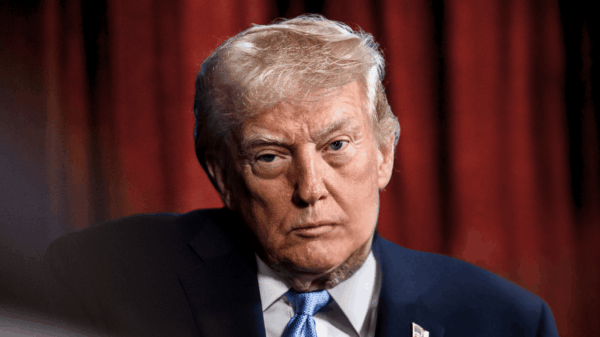
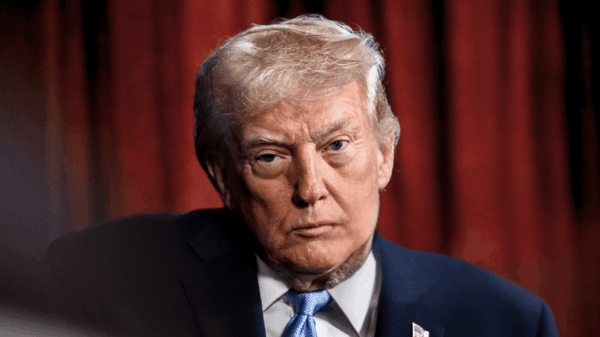
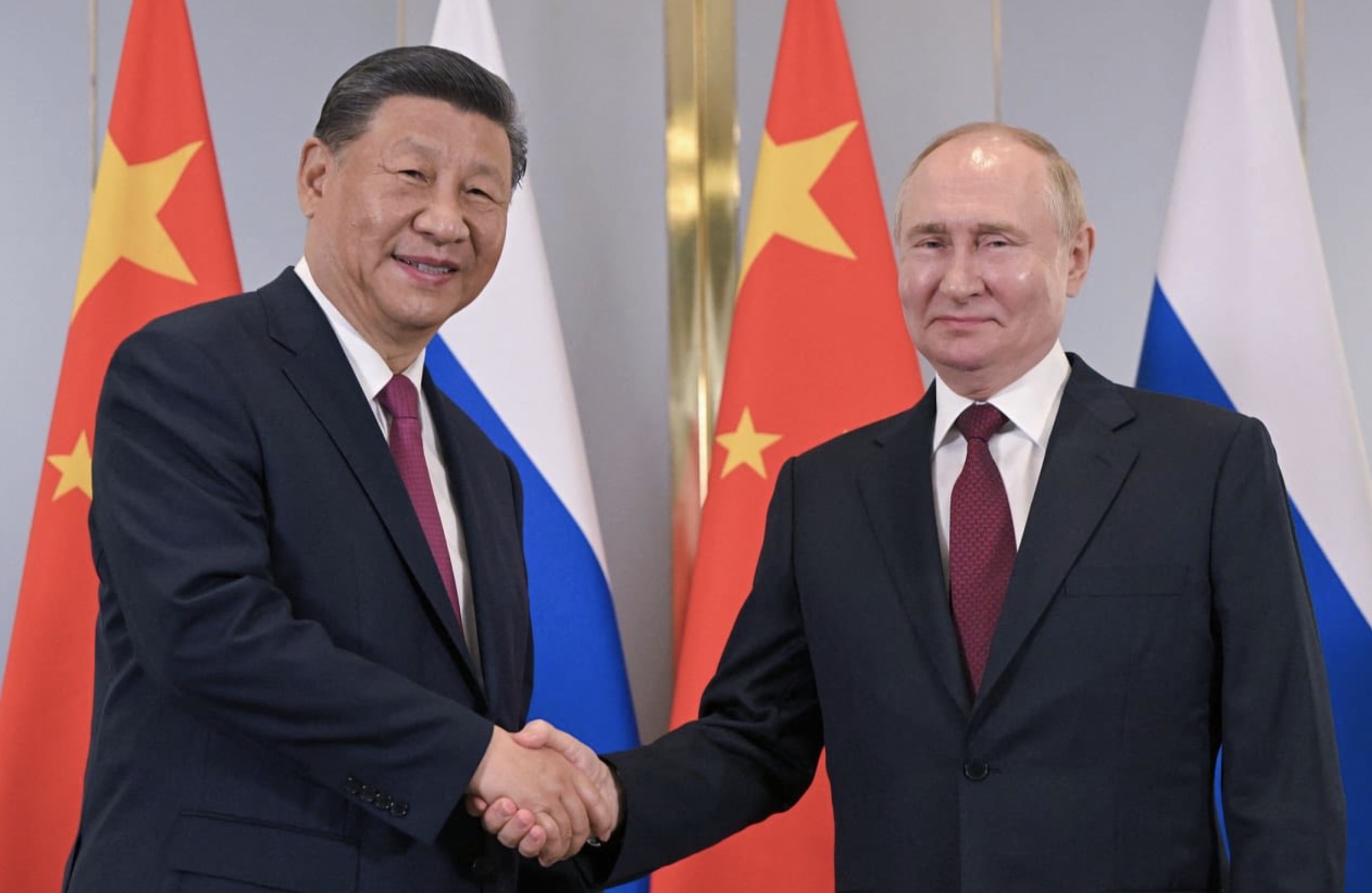
The ramifications of U.S. actions extend beyond Venezuela. Analysts caution that President Trump’s approach may provide a dangerous precedent for Xi Jinping, potentially impacting Taiwan and other regions. If China perceives Trump’s disregard for international agreements as license for aggression, it could escalate tensions in the Asia-Pacific region.
As the situation develops, experts note that America’s traditional allies, including Australia, face increased uncertainty. Australia’s strategic reliance on U.S. military support may be compromised by the shifting global landscape, where the U.S. is perceived as abandoning its role as a stabilizing force.
In a stark contrast, China’s relatively peaceful rise as a superpower positions it as a more stable alternative to the U.S. According to observers, China’s prior aggressive “Wolf Warrior” diplomacy has softened, making its current stance appear more measured compared to the chaos resulting from U.S. interventions.
Meanwhile, the Russian Foreign Ministry has condemned the U.S. actions, calling them “armed aggression” and emphasizing the need for dialogue to resolve the crisis. This condemnation highlights the hypocrisy in international relations, as nations grapple with the implications of U.S. unilateral actions.
What happens next will be critical. The global community is watching closely as the potential for a realignment of power unfolds, with many nations wary of the implications of U.S. actions on their own sovereignty. The question remains: will other nations seize the opportunity created by the U.S. to assert their own agendas?
As this urgent situation continues to evolve, the international order faces unprecedented challenges. Stay tuned for updates on this developing story.