




























The International Monetary Fund (IMF) has issued a cautionary outlook for Australia, predicting economic challenges if the burgeoning artificial intelligence (AI) sector experiences a downturn. In its latest World Economic Outlook update, released on March 11, 2024, the IMF maintained its growth forecast for Australia at 2.1% for this calendar year and 2.2% for 2027. The organization highlighted concerns about a potential “prolonged correction” in the economy linked to the AI bubble.
Australia’s current headline inflation rate stands at 3.4%, exceeding the Reserve Bank’s target range of 2-3%. According to Treasury estimates, inflation is expected to remain above the target until at least June 2024. The IMF’s report indicates that the nation may face enduring inflationary pressures, impacting consumer spending and overall economic stability.
Global Economic Uncertainty and Its Impact
During a recent press briefing, Australian Treasurer Jim Chalmers emphasized the uncertainty permeating the global economy. He noted, “The global economy is incredibly uncertain, with persistently high inflation still a challenge for many countries around the world, and that’s reflected in this report.” The IMF’s economists, Tobias Adrian and Pierre-Olivier Gourinchas, pointed out that while global growth has shown resilience against challenges such as the tariffs imposed by the United States, the situation could change if AI optimism falters.
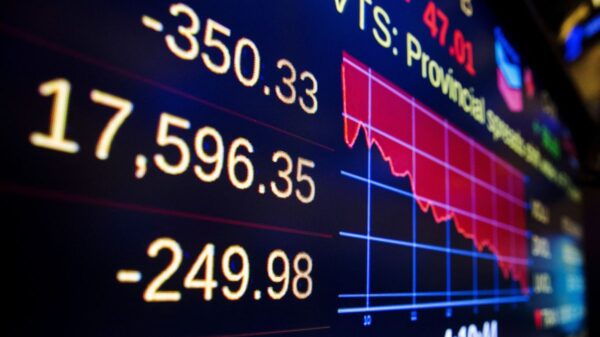
A decline in stock market valuations, particularly among a few dominant technology firms, could necessitate costly reallocations of capital and labor. This shift would likely result in negative wealth effects, further constraining private consumption and investment. The repercussions could extend globally, leading to tighter financial conditions that affect economies beyond Australia.
Chalmers highlighted that these global challenges necessitate “responsible economic management,” a principle that has guided the Albanese government.
A Call for Pro-Growth Reforms
In light of the potential economic headwinds, some experts are advocating for more than just prudent management. Paul Bloxham, chief economist at HSBC Australia, urged the government to adopt a more ambitious “pro-growth” reform agenda. He asserted that Australia possesses significant growth opportunities, given its rich resource base and strong economic ties to Asia.
Bloxham emphasized the need for expedited progress on energy transition initiatives and the availability of low-cost energy. He stated, “Lower energy costs would help boost investment in critical minerals,” suggesting that directing exports towards rapidly growing markets in India and Southeast Asia could further enhance economic growth.
The IMF’s warnings resonate with ongoing discussions about the sustainability of Australia’s economic trajectory. As the nation navigates the complexities of a changing global landscape, the emphasis on both responsible management and innovative reforms will be critical in maintaining economic stability and growth.
This report reflects the IMF’s findings and the Australian government’s response, as the nation prepares for potential economic shifts influenced by global trends and sectoral vulnerabilities.