

































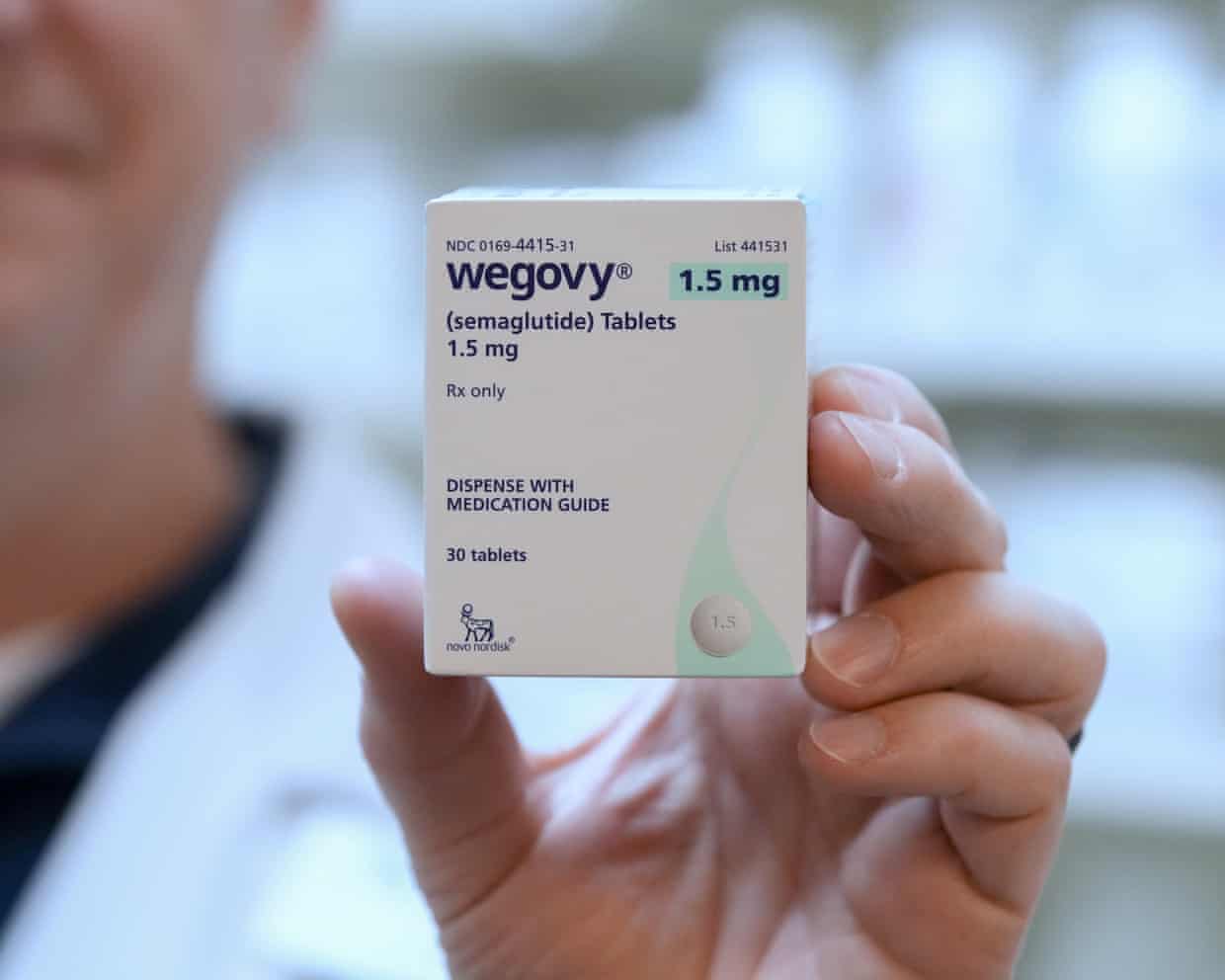
The recent shift from injectable weight-loss medications to oral pills is set to reshape the landscape of the anti-obesity market. The launch of the daily Wegovy pill by Novo Nordisk is attracting significant attention, particularly among patients previously reliant on injections such as Zepbound, produced by Eli Lilly. This transition is expected to broaden the appeal of weight-loss treatments, as analysts describe this year as “pivotal” for the burgeoning sector.
The U.S. Food and Drug Administration (FDA) approved Wegovy on December 22, 2023, marking its entrance as the first oral GLP-1 medication for weight loss. Since its launch, the Wegovy pill has gained traction, achieving 50,000 prescriptions weekly by late January 2024. This surpasses the initial uptake of the Wegovy injection launched in June 2021, establishing it as “the fastest drug launch ever,” according to health analysts at Leerink Partners.
Patient Experiences and Market Dynamics
Individuals like Melody Ewert, a 44-year-old from Minnesota, are indicative of the changing preferences among patients. Ewert transitioned from the Zepbound injection to the Wegovy pill after her health insurance shifted the cost from $25 to $449 monthly. After an initial weight loss of 16.6 kg (37 lb) without medication, Ewert found success with Zepbound, losing an additional 22.7 kg, which allowed her to stop using a seatbelt extender on flights.
“I just felt slow,” Ewert explained, emphasizing her desire to engage in activities with her children without weight limitations. She finds the daily pill easier to manage, stating, “It is consistent every day how my appetite feels and the food noise is very low.”
The appetite-regulating properties of these medications stem from their ability to mimic the gut hormone GLP-1. Dr. Eric Perakslis, Chief Science Officer at the weight-loss tracking app Shotsy, notes a surge in new patients switching to the Wegovy tablet, describing it as “very simple” to take a pill compared to the weekly injection.
Market Expansion and Challenges
The growing demand for oral medications is expected to attract individuals who are less inclined to use injections, especially since pills are generally more affordable and do not require refrigeration. In the UK, the Wegovy pill is currently under assessment by the medical regulator, with an expected market entry later this year, although it remains uncertain if it will be available on the NHS.
The potential for counterfeit versions of the medication is also a concern, as pills are easier to manufacture than injections. Research from UCL indicates that between early 2024 and early 2025, there were approximately 1.6 million users of weight-loss drugs in England, with a notable interest among those aged 45 to 55. Many users are paying out-of-pocket due to limited NHS coverage.
Analysts predict that the global market for GLP-1 medications will expand from $75 billion currently to $200 billion by the early 2030s. With obesity levels expected to climb, particularly in lower-income countries, the demand for effective weight-loss solutions is anticipated to increase significantly.
While the Wegovy pill offers a promising alternative, there are ongoing concerns about its pricing and potential side effects. The cash price for the Wegovy pill ranges from $149 to $299 monthly, which is lower than the recently adjusted prices for injectable products.
Despite the promising outlook, JPMorgan Chase analysts caution that the sector is not without its challenges. Novo Nordisk shares dropped by 17% in early February after the company projected a sharper-than-expected decline in sales and profits for the year.
As the competition heats up, Eli Lilly is preparing to launch its own weight-loss pill, orforglipron, in the coming months. Analysts anticipate that 2026 will be a critical year for the obesity market, with both Novo and Lilly’s oral medications potentially broadening the patient base.
Research led by Dr. Jennifer Hwang from the University of Chicago Medicine suggests that while GLP-1 jabs can lead to health benefits, they often do not meet cost-effectiveness benchmarks. The shift to pills could provide a more economical solution for governments while addressing the growing need for weight-loss interventions.
As the pharmaceutical industry races to meet the demand for weight-loss solutions, experts emphasize that the introduction of these new medications could significantly impact public health, potentially helping millions manage their weight more effectively. “We still have a lot of people to reach,” Dr. Hwang noted, highlighting the importance of accessibility and affordability in this evolving landscape.