















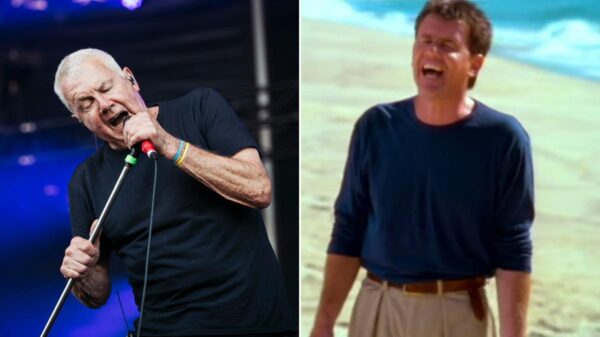
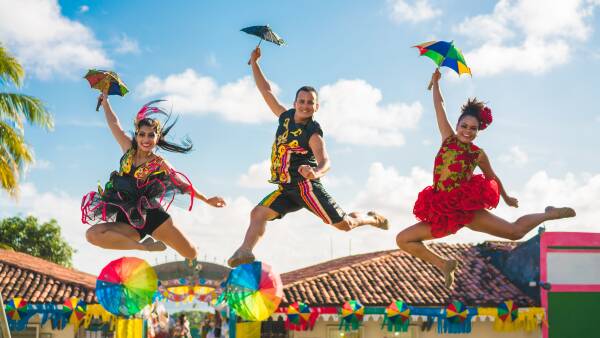


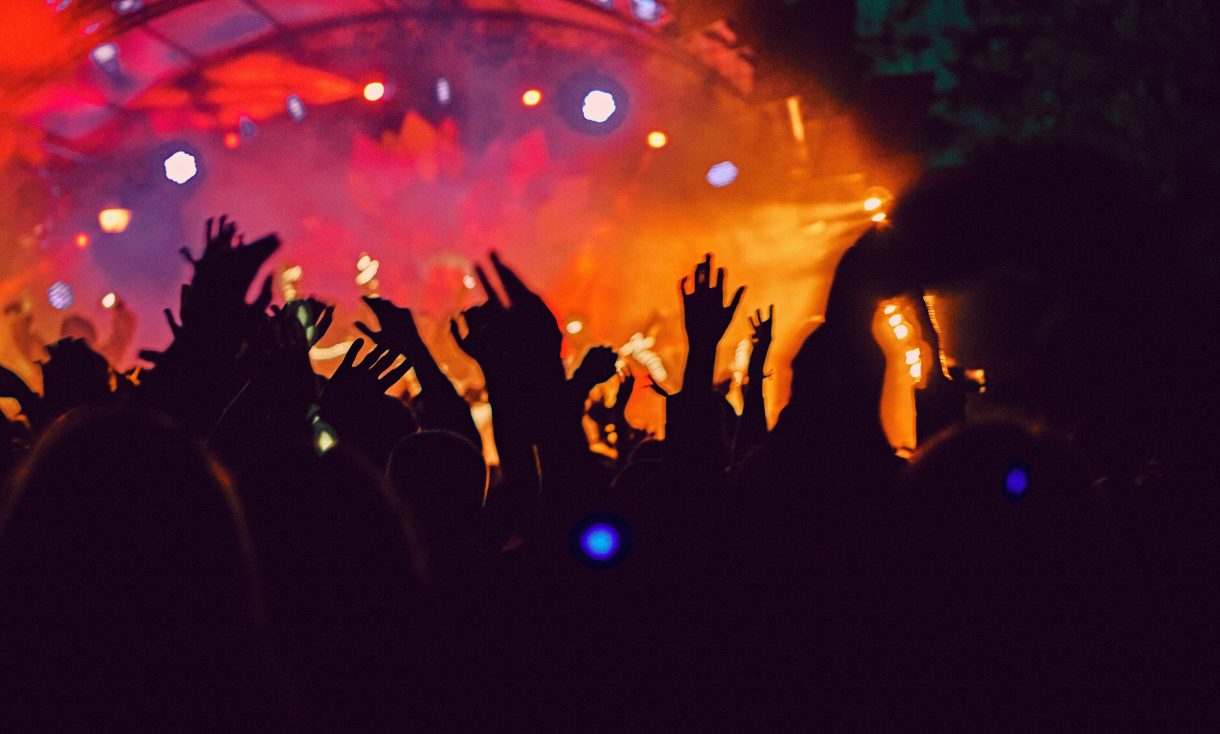
The 2023 Australian Open is set to enhance its entertainment offerings by featuring a range of live music performances throughout the three-week event. This initiative aims to provide a significant platform for Australian artists, particularly as the music and festival sector navigates ongoing challenges.
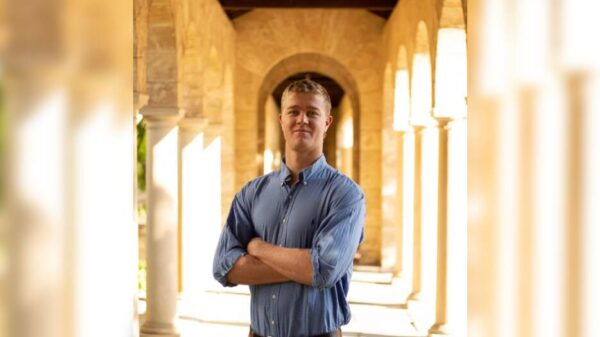
According to Sam Whiting, a Vice Chancellor’s Senior Research Fellow in the School of Media and Communication at RMIT University, the integration of music into a premier sporting event like the Australian Open is a groundbreaking approach. “The Australian Open continues to raise the bar for the integration of music programming within a premier sporting event,” Whiting noted. He emphasized that the event’s focus on showcasing Australian artists and emerging talent sets a high standard for similar events.
The decision to spotlight local talent comes amid discussions surrounding the predominance of American artists at major sporting finals, such as the NRL and AFL grand finals. This focus is particularly relevant as streaming platforms and algorithms increasingly challenge Australian artists in gaining visibility and support.
Whiting further highlighted the broader implications of the entertainment program at the Australian Open, stating that it significantly expands the event’s ability to attract diverse audiences. “This massive expansion in the entertainment program increases attendance by a significant margin and engages audiences far beyond tennis,” he explained.
The Australian Open’s commitment to local artists not only enhances the event’s cultural fabric but also reflects a growing recognition of the importance of supporting homegrown talent within the competitive landscape of the music industry. As the event unfolds in Melbourne, the combination of high-stakes tennis and vibrant live music promises to create a unique atmosphere that resonates with fans and artists alike.
In addition to his research at RMIT, Whiting is also a recipient of the 2024 Churchill Fellowship, which underscores his expertise in examining the dynamics of the creative industries and the cultural economy. His insights reflect a broader trend towards integrating cultural experiences into sporting events, potentially influencing how future major events are structured.
The 2023 Australian Open serves as a pivotal moment, demonstrating the potential for synergy between sports and the arts, while highlighting the need for ongoing support for Australian musicians and performers.