






























The Bondi Pavilion in Sydney has become a site of remembrance and collaboration following the devastating terror attack on December 14, which claimed 15 lives. In a heartfelt response, volunteers are working diligently to preserve approximately 3 tonnes of flowers that were left in tribute to the victims. Once dried, these flowers will form a permanent artwork displayed at the Sydney Jewish Museum.
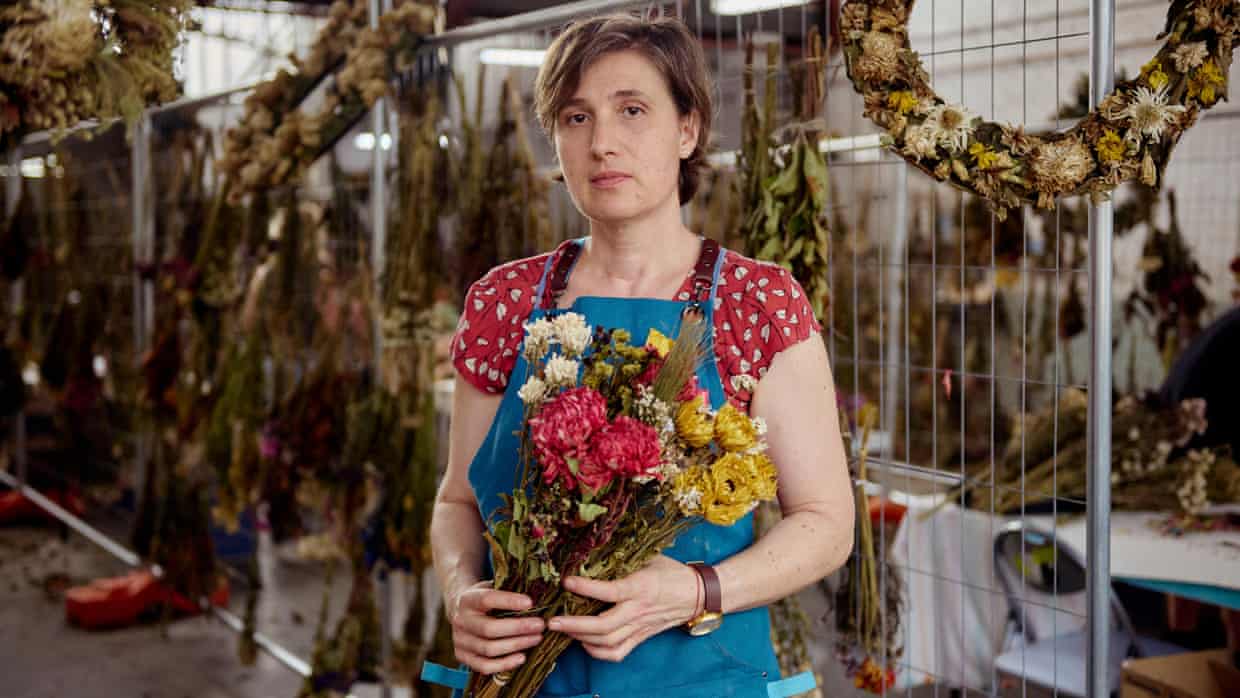
As you step into the 400 square metre warehouse, the first thing that strikes you is the overwhelming scent of flowers. The atmosphere is warm, and volunteers have been working tirelessly since Christmas Eve to ensure that these floral tributes are not forgotten. During the initial days, temperatures soared above 30°C, creating a challenging environment for the team. To combat the heat and humidity, Shannon Biederman, the museum’s senior curator, implemented creative solutions, including fans, dehumidifiers, and construction fences to hang and dry the flowers.
“It’s been exhausting, it’s been hard, but it has been worth it,” Biederman stated. The volunteers meticulously identify and catalog various flower species, including zigzag wattles, bougainvilleas, gumnuts, and Singapore orchids. Each flower is labelled, colour-coded, and boxed, ensuring that the memories they represent are preserved in an organized manner. “I get a lot of messages that people are just so grateful that all of these tributes are not going to be forgotten,” she added.
As time has passed since the attack, the atmosphere in the warehouse has transformed. With the scent becoming lighter, the space now operates like a finely-tuned production line. Leading the effort is Nina Sanadze, a Jewish artist who is committed to repurposing every aspect of the flowers. Petals are ironed or pressed, sunflower pollen is processed into pigment, and even fallen leaves are carefully reused. “Every little petal, people will go look for the right place. It’s just a testimony to the care that people have,” Sanadze remarked.
The community’s response to this initiative has been remarkable. Up to 50 volunteers arrive daily, with some traveling significant distances to contribute. Volunteers like Alana, who chose not to share her last name, expressed their motivation: “I wanted to do something that was meaningful and useful. I couldn’t think of anything more beautiful than keeping the flowers and turning them into something of beauty so we can remember.”
By next week, all the flowers are expected to be boxed away, ready to be transformed into an artwork that will be unveiled when the museum reopens to the public in early 2027. While the final design remains undecided, Sanadze emphasizes the importance of community engagement throughout the creative process. “I do think it means a lot that they are preserved for posterity and that they’re there is hopefully an expression of unity among all Australians,” Biederman noted.
The project also aims for sustainability. The leftover seeds from the drying process are intended to be replanted, symbolizing hope for the future. Sanadze remarked, “There is nothing like a garden to give us hope for the future.” This initiative not only captures the essence of remembrance but also fosters a spirit of resilience and community among those affected by the tragic events.