
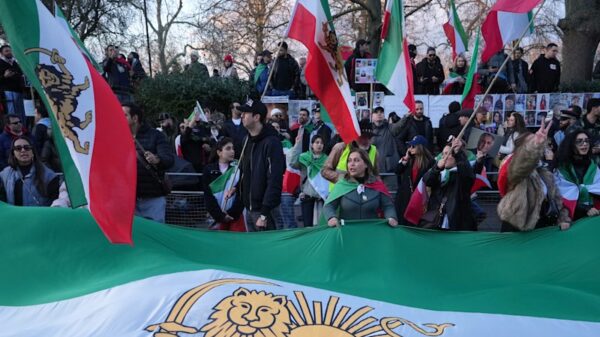

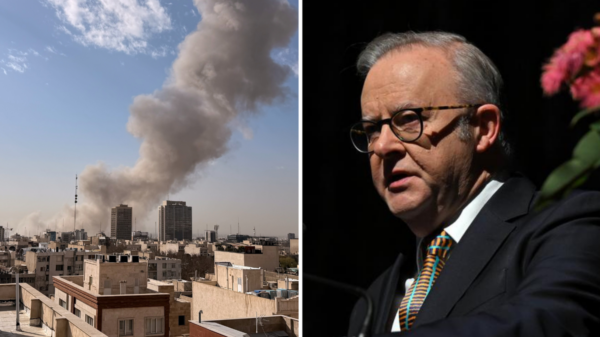














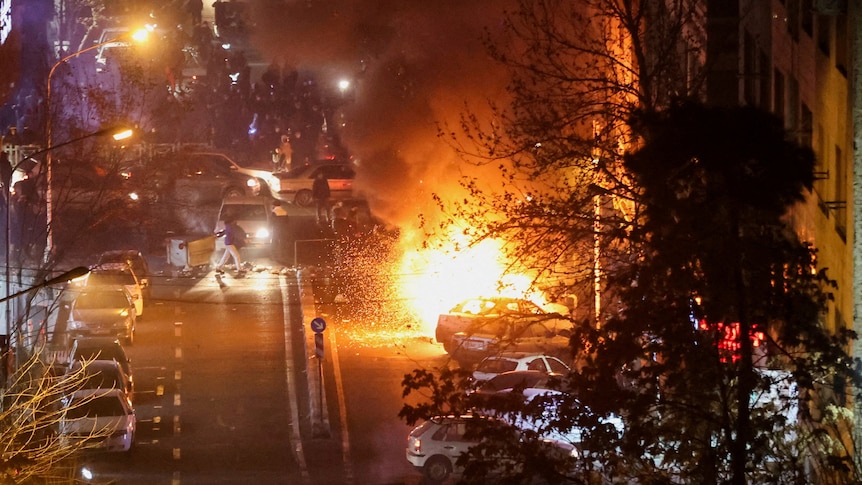
An Iranian official has stated that approximately 2,000 people have been killed amidst ongoing unrest in the country. This alarming figure comes as residents in Tehran report an increased security presence throughout the capital, raising concerns about public safety and the government’s response to dissent.
The Iranian official attributed the deaths to “terrorists,” suggesting that external forces are responsible for the violence. This claim reflects a long-standing narrative used by the Iranian government to justify its actions against protesters. The situation within the country appears increasingly tense, with reports of heavy police and military deployments aimed at maintaining order.
Germany’s Assessment of the Regime’s Stability
In a significant development, officials in Germany have indicated that the Iranian regime may be in its “final weeks.” This stark assessment reveals a growing belief among international observers that the Iranian government is facing mounting pressure from within and outside its borders. The German government’s analysis is based on recent events and the escalating unrest that has plagued Iran in recent months.
Germany’s Foreign Minister has underscored the need for the international community to remain vigilant in monitoring the situation. Diplomatic efforts may be required to address the potential humanitarian crisis that could arise if the regime collapses. As protests continue, the safety of civilians remains a top priority for both regional and global leaders.
The Iranian government has traditionally responded to protests with force, emphasizing its commitment to maintaining stability. However, the rising death toll, coupled with international condemnation, may force a reassessment of its approach.
Impact on Civilians and International Response
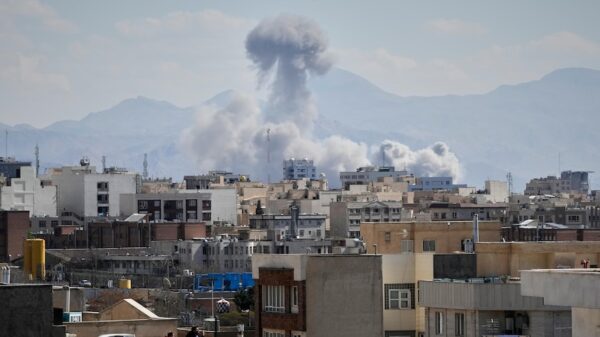
As the unrest deepens, civilians in Iran are caught in a precarious situation. Reports from Tehran describe an atmosphere of fear and uncertainty, where daily life is disrupted by the constant presence of security forces. Residents are expressing their concerns for their safety, as well as for the future of their country.
The international community is closely monitoring these developments. Calls for accountability and human rights protections are becoming more pronounced, especially from Western nations. The United Nations and various human rights organizations are urging Iranian authorities to respect the rights of protesters and civilians alike.
As of now, the situation remains fluid. With such a significant number of casualties reported, the potential for escalation remains high. The world watches closely as Iran navigates this critical juncture in its history, with both internal and external pressures potentially shaping its future.