





























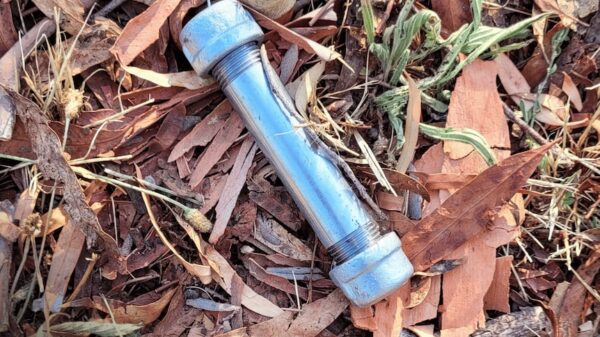


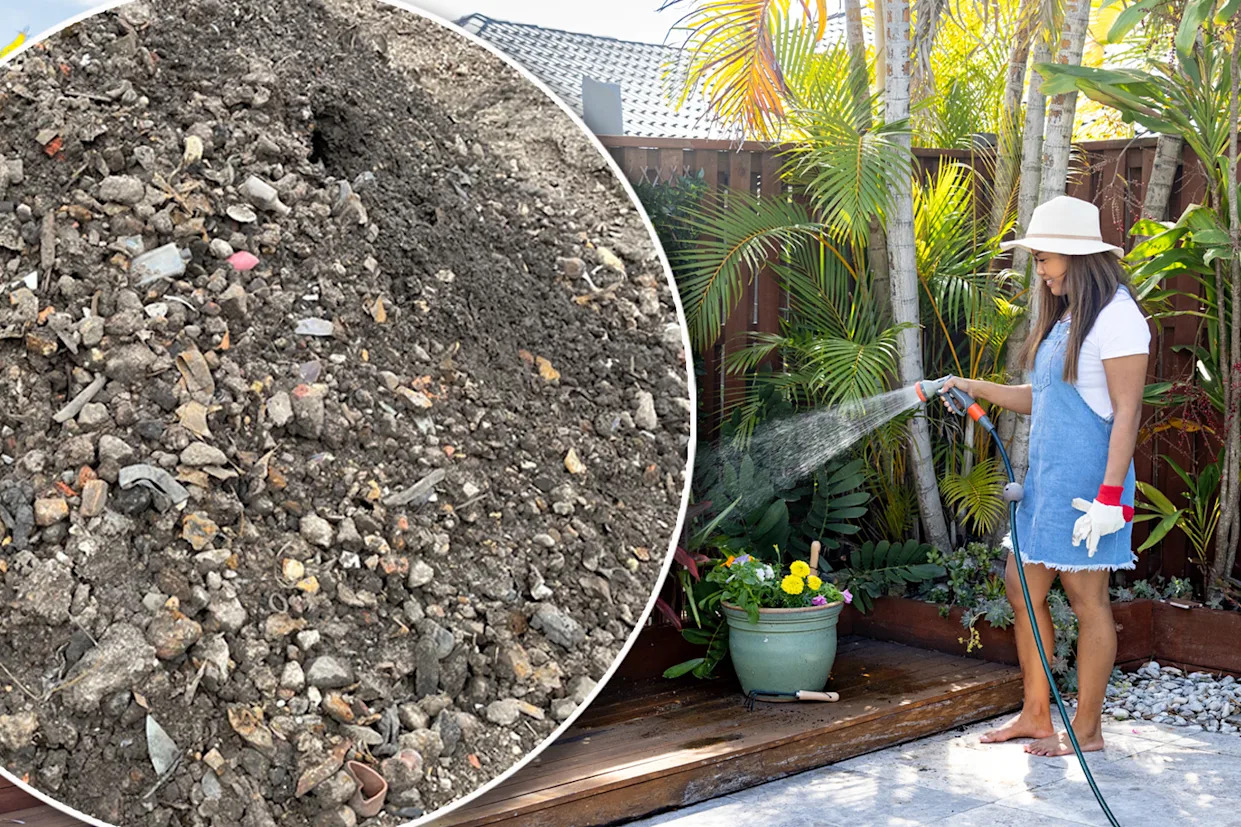
Residents in Australia are being cautioned against accepting offers of ‘free soil’ after significant fines were issued for contaminated material being marketed as safe. The Environmental Protection Agency (EPA) of Victoria reported handing out over $6,000 in fines to contractors promoting free and supposedly “clean” soil that was later discovered to contain hazardous materials, including asbestos and other chemical contaminants.
As the summer holidays come to a close, many Australians are engaging in home improvement projects, often seeking cost-effective solutions. However, this trend has raised concerns as offers for free soil flood social media platforms. The EPA has emphasized that property owners must be vigilant about the soil they accept, as they could be held liable for its safe disposal if it is found to be contaminated.
Risks of Accepting Untested Soil
Rachel Gualano, the Executive Director of Operations at the EPA, stated, “If you accept soil that has not been independently tested, you risk being held responsible if it turns out to be contaminated.” Contaminated soil can pose serious health risks, potentially harming plants, animals, and humans while also contaminating land and groundwater sources. In addition to health concerns, the financial burden of treating or disposing of contaminated soil can be substantial.
The fines issued this week included $4,070 to a contractor in Mornington and $2,035 to a contractor in Tuerong. The EPA warns that individuals who transport soil, even subcontractors, share the responsibility of ensuring the soil’s safety.
Guidelines for Homeowners
To safeguard against the dangers of contaminated soil, the EPA advises homeowners to follow several best practices before accepting soil on their property:
1. **Source Verification**: Understand the origins of the soil. Soil from industrial or commercial sites carries a higher risk of contamination.
2. **Proof of Cleanliness**: Ask suppliers for documentation proving that the soil has been tested and is free of contaminants.
3. **Avoid Doubtful Offers**: If there are any uncertainties about the soil’s safety, it is better to decline the offer.
4. **Contractual Agreements**: Obtain a signed contract from the supplier that clearly specifies the volume and quality of soil to be delivered.
5. **Documentation**: Maintain thorough records of where the soil is sourced and keep different batches of soil separate.
6. **Visual Inspection**: Inspect each load of soil for any visible signs of contamination, and reject any that appears suspicious or does not meet safety standards.
The EPA aims to increase awareness among homeowners about the potential dangers associated with accepting unverified soil, urging them to take proactive steps to protect their property and health.
For those who suspect they may have received contaminated soil, immediate consultation with local environmental authorities is recommended.