


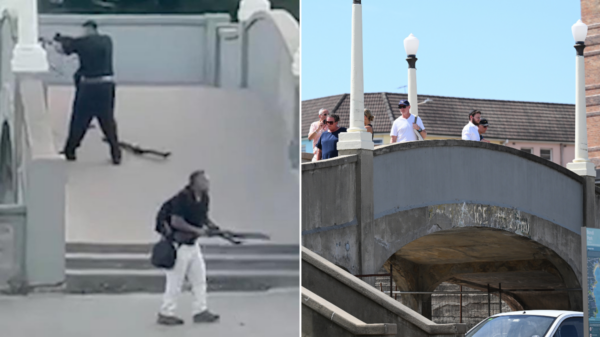














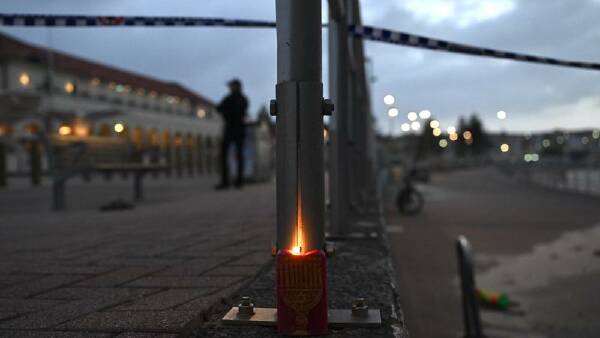
Australian business leaders and prominent public figures are advocating for a Commonwealth royal commission in response to the recent terrorist attack at Bondi Beach. This comes after the tragedy on December 14, which left fifteen people dead and over forty injured. An open letter signed by at least 120 leaders calls for immediate action to address the implications of the attack and to ensure the safety of all Australians.
Signatories of the letter include former governors of the Reserve Bank of Australia, Philip Lowe and Glenn Stevens, billionaire investor James Packer, and former Telstra chief executive David Thodey. They are joined by various sporting figures, politicians, and university chancellors, reflecting a broad consensus across different sectors of society. The letter emphasizes the need for practical solutions to restore social cohesion in the wake of a national crisis.
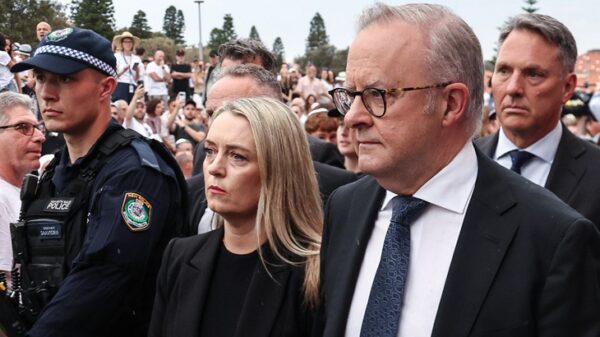
The push for a royal commission has been met with resistance from Prime Minister Anthony Albanese, who has favored a review led by former Australian Security Intelligence Organisation (ASIO) chief Dennis Richardson. This review aims to evaluate the responses of intelligence and law enforcement agencies to the Bondi attack. While the prime minister acknowledges the importance of the Richardson review, he has yet to commit to a national inquiry requested by families of the victims, Jewish organizations, and legal experts.
The open letter asserts that the Bondi massacre highlights pressing issues of safety and anti-Semitism in Australia. It states, “This is a national crisis, which requires a national response. This goes beyond politics; it’s about the future of our country.” The leaders express concern over the increase in “unprecedented harassment, intimidation and violence” directed at the Australian Jewish community since the conflict began on October 7, when Hamas attacked southern Israel.
In a related appeal, senior Catholics in Australia have also called for a broader inquiry into anti-Semitism. Timothy Costelloe, the Archbishop of Perth and president of the Australian Catholic Bishops Conference, indicated that while the Richardson review is a step forward, it is essential to address the underlying issues of anti-Semitism. He stated, “It is only by shining a light into the dark corners of our society that we can hope to unmask the anti-Semitism which might otherwise go unseen.”
The New South Wales government plans to conduct a state-based royal commission, which will collaborate with federal agencies. Despite the growing calls for a national inquiry, Prime Minister Albanese remains steadfast, citing advice from “actual experts” to proceed with the departmental review instead. He highlighted that Mr. Richardson is one of these experts, along with heads of various security authorities.
The response to the Bondi Beach attack has brought many Australians together in solidarity. On New Year’s Eve, approximately one million people gathered along the Sydney Harbour foreshore, lighting their mobile phones in remembrance of the victims. This display of unity underscores the profound impact of the tragedy on the national psyche.
As the discourse around safety, social cohesion, and anti-Semitism evolves, the outcomes of the Richardson review and the proposed inquiries will be crucial in shaping Australia’s response to this tragic event and its aftermath.